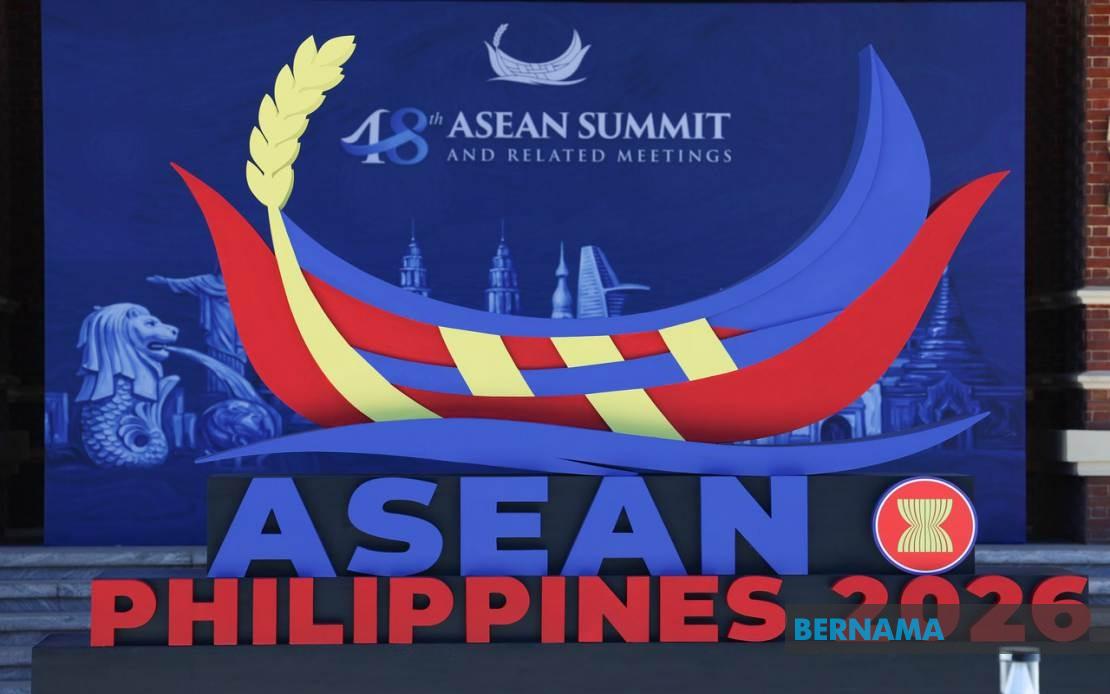
The Philippines will bring Myanmar's military-backed government and ASEAN's foreign ministers together for an informal consultation in Bangkok this Sunday, representing a significant diplomatic moment for a region grappling with Myanmar's political instability. As the current chair of the Association of Southeast Asian Nations, Manila has arranged the meeting with Myanmar's Foreign Minister U Tin Maung Swe to address the country's deteriorating humanitarian crisis and the stalled peace process that has defined regional dynamics since the February 2021 coup.
This gathering holds particular importance because it constitutes the first direct, in-person dialogue between Myanmar's military leadership and ASEAN's top diplomats in over three years. Since the coup swept aside Myanmar's democratic government, ASEAN has struggled to maintain coherence in its approach to the country, torn between maintaining institutional unity and expressing alarm at escalating violence. The Philippines' decision to facilitate this meeting reflects a deliberate strategy to keep Myanmar engaged with the bloc while pressing for tangible progress on issues that have become increasingly urgent.
The Five-Point Consensus, agreed upon by ASEAN leaders in April 2021, forms the backbone of this diplomatic engagement. The framework calls for an immediate cessation of violence in Myanmar, dialogue among all parties, humanitarian assistance, and visits by an ASEAN envoy. Yet nearly three years later, violence has intensified rather than subsided, with civilian opposition forces, ethnic armed organizations, and military forces locked in a escalating conflict that has displaced millions and created what humanitarian organizations describe as a catastrophic emergency. The informal nature of this Bangkok meeting suggests ASEAN is seeking to restart momentum on these stalled commitments without the formal rigidity that might trigger walkouts or diplomatic incidents.
U Tin Maung Swe's attendance underscores the Myanmar junta's willingness to maintain dialogue with the regional bloc, even as it faces mounting pressure from armed resistance movements. The military's foreign minister represents a government increasingly isolated internationally, with few friends beyond China and Russia. ASEAN's engagement, imperfect as it may be, remains one of the few diplomatic channels through which the junta interacts with its neighbours. For Myanmar, this meeting offers an opportunity to present its perspective on national developments and potentially soften international criticism of military operations.
The timing reflects broader shifts within ASEAN leadership. The Philippines' role as chair carries responsibility for managing one of the bloc's most intractable crises. Manila's approach appears more assertive than some predecessors, evidenced by the decision to convene this face-to-face meeting rather than relying on lower-level diplomatic channels. This suggests the current Philippine administration believes direct conversation among foreign ministers can yield better results than the previous pattern of statements and limited engagement.
For Southeast Asian countries, the stakes extend beyond Myanmar's borders. The unresolved crisis destabilizes the region through refugee flows, cross-border armed activity, and the deepening influence of major powers willing to fill the vacuum left by ASEAN's limited effectiveness. Malaysia, Thailand, and other neighbouring states face direct consequences through humanitarian pressures and security challenges. An effective approach to Myanmar therefore directly impacts regional stability and ASEAN's credibility as an organization.
The meeting will focus on three interconnected areas: violence cessation, inclusive dialogue, and humanitarian access. Foreign ministers are expected to press U Tin Maung Swe on concrete measures addressing each pillar of the consensus. This approach acknowledges that the junta controls the security apparatus but hopes that face-to-face pressure from neighbouring foreign ministers might influence calculations in Naypyidaw. Whether such diplomatic engagement can shift a military leadership increasingly committed to pursuing victory rather than compromise remains unclear.
ASEAN's challenge lies in balancing two competing imperatives. The bloc must maintain Myanmar's seat and preserve institutional unity, which requires engagement rather than confrontation. Simultaneously, it must demonstrate responsiveness to the humanitarian catastrophe and push for meaningful progress toward peace. This Bangkok meeting represents one attempt to navigate that tension, though the limited concrete mechanisms available to ASEAN for influencing Myanmar's trajectory suggest expectations should remain cautious.
The informal setting deliberately creates space for candid discussion without the formality that might constrain honest exchanges. Yet informality also signals lowered expectations regarding tangible outcomes. ASEAN appears focused on sustaining engagement and maintaining lines of communication rather than expecting breakthroughs that might dramatically alter Myanmar's trajectory. This reflects the realistic assessment that ASEAN possesses limited leverage over a junta increasingly focused on internal consolidation.
The outcome will likely feature statements reaffirming commitment to the Five-Point Consensus and calls for implementation, paired with acknowledgment of humanitarian concerns. Whether foreign ministers emerge from Bangkok with specific, verifiable commitments from U Tin Maung Swe on violence reduction or humanitarian corridor expansion will determine whether this meeting represents genuine diplomatic progress or primarily serves the symbolic function of maintaining ASEAN's unity in the face of crisis.

