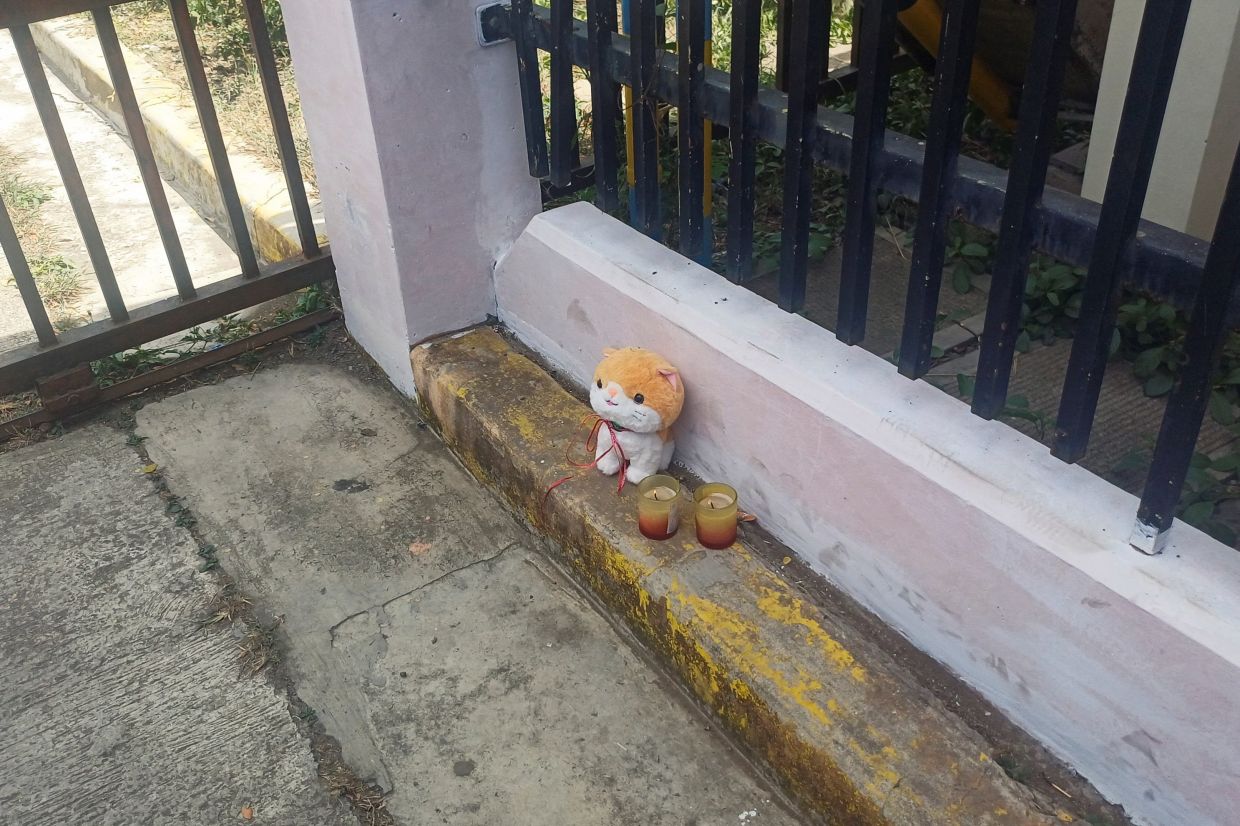
The Philippines faces mounting questions about school safety and youth vulnerability following an attack at a Zamboanga City institution where a student livestreamed himself carrying out a fatal shooting before taking his own life. The August 18 incident claimed two lives, including the shooter, and left two others wounded, marking the second such tragedy within less than two months in a nation where school violence remains uncommon. The apparent ease with which the attack unfolded and was broadcast online has crystallised longstanding concerns about the intersection of social media accessibility and firearm regulation.
Education Secretary Sonny Angara visited the affected school, Ateneo de Zamboanga University, to address the aftermath and highlighted a troubling pattern: the gunman had shown no apparent warning signs to educators or administrators. Teachers described him as an academically accomplished student whose behaviour gave no indication of the violence he would commit. This revelation underscores a critical challenge facing schools and families across the archipelago—identifying at-risk youth when conventional markers of concern are absent. The incident suggests that academic success and outward composure may mask serious psychological distress, leaving institutions operating with inadequate tools to intervene.
Angara articulated a broader perspective on school safety that extends beyond traditional security infrastructure. While acknowledging the role of physical measures such as fencing, surveillance cameras, and metal detectors, he argued that genuine violence prevention demands deeper engagement from communities. His emphasis on proactive outreach and connection with students reflects growing recognition among education officials that fortress-like school environments alone cannot address the root drivers of such violence. The secretary framed the challenge as one of building supportive ecosystems capable of recognising subtle signs of distress before they escalate to tragedy.
The student, identified as a Grade 8 pupil, allegedly accessed his father's firearms—including a .40-caliber pistol issued by the Bureau of Customs—before carrying out the attack. According to police accounts, he began shooting on the fourth floor before moving to the fifth, where officers discovered him dead from a self-inflicted gunshot wound. The use of a body-worn camera to livestream the violence has triggered urgent calls for legislative action restricting minors' social media usage. Senate President Sherwin Gatchalian has proposed legislation that would prohibit children under 16 from accessing social media platforms altogether, framing the measure as essential to preventing the normalisation of violence among youth audiences.
The livestreaming dimension represents a particularly vexing problem for policymakers seeking to balance free expression with child protection. The real-time broadcasting of graphic violence, combined with the rapid dissemination of footage through social media and private messaging groups, created additional trauma for parents and students across the city. One parent, identified only as Claire, described how conflicting reports and disturbing imagery proliferated through digital channels, amplifying confusion and anxiety within school communities. Her observation that television and cinema content faces regulatory rating systems suggests a logical extension to digital platforms—an approach gaining traction among legislators concerned about algorithmic amplification of violent content.
The firearm access question has prompted Interior Secretary Jonvic Remulla to advocate for strengthened penalties targeting gun owners whose weapons are accessed by minors. Current Philippine regulations appear insufficient to deter careless firearm storage practices, particularly within households where adolescents may be present. Remulla has called for lawmakers to revisit broader legislation governing private weapon ownership and storage requirements, signalling recognition that closing regulatory gaps could prevent similar tragedies. The involvement of a Bureau of Customs-issued weapon raises additional concerns about accountability within government institutions.
Investigators remain focused on establishing the shooter's motive and piecing together the precise sequence of events. Forensic examination of his electronic devices may reveal whether he had accessed violent content online or engaged in concerning digital communications. Understanding his pathway to violence could illuminate patterns that educators and law enforcement might recognise in other potentially at-risk individuals. Philippine authorities have acknowledged that the investigation remains ongoing, with critical details about his psychological state and any warning signs still being examined.
The timing of this shooting—occurring within seven weeks of a previous school attack—has concentrated political attention on structural violence prevention strategies. Unlike countries where mass shootings are endemic, the Philippines' relative rarity of such incidents creates space for swift policy intervention before institutional normalisation occurs. However, this narrow window depends on whether legislators can navigate competing priorities and build consensus around measures that address both social media risks and firearm safety.
For Malaysian and Southeast Asian observers, the Philippine case illustrates the complexity of regulating youth access to digital platforms while respecting privacy concerns. Malaysia's own social media landscape and school safety protocols warrant examination through this lens, particularly as young people increasingly consume potentially harmful content online. The Philippines' experience suggests that technological restrictions alone—whether age-based social media bans or platform content filters—require complementary investments in community awareness, teacher training, and mental health support.
The path forward for the Philippines remains contested between those prioritising social media regulation and those emphasizing firearm safety. Neither approach addresses the full spectrum of risk factors, and sustainable solutions likely demand coordinated action across multiple domains. School communities must simultaneously strengthen their capacity to identify struggling students, families require accessible mental health resources, and digital platforms need clearer accountability for amplifying violent content. The question facing policymakers is whether political will exists to pursue comprehensive reform or whether incremental measures will once again prove insufficient to prevent future tragedies.

