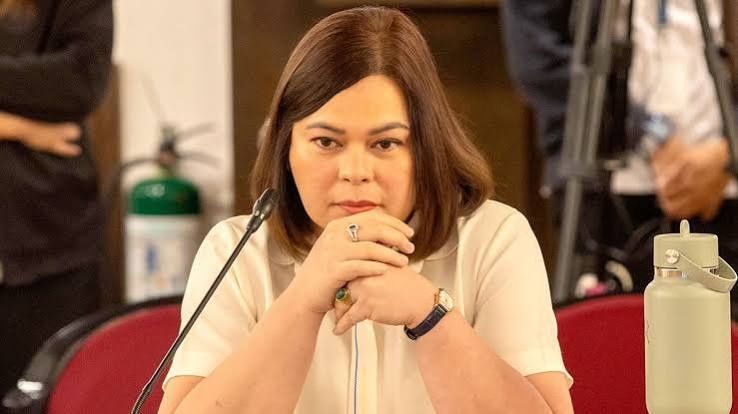
The Philippine National Police announced on Friday that it would position approximately 6,000 officers across Manila to maintain order during the impeachment proceedings against Vice President Sara Duterte, which are scheduled to commence on Monday. The security operation represents one of the country's most significant political deployments in recent years, underscoring the gravity and sensitivity of the trial against the sitting vice president.
The Senate impeachment court had already issued a directive requiring Duterte to present herself before the tribunal, either attending in person or submitting through legal representation. This requirement formalised the constitutional process, setting the stage for what promises to be a closely watched political confrontation between the executive branch and the legislative body.
Local authorities in Pasay City, where the Senate complex is situated within Metro Manila, announced plans to restrict traffic flow on several key roads commencing Monday. These temporary closures reflect precautionary measures intended to facilitate judicial proceedings while managing the expected influx of media personnel, political supporters, and public observers eager to witness this unprecedented chapter in Philippine politics.
The deployment of such a substantial police contingent underscores official concerns about potential civil unrest. The Philippines has a history of intense political polarisation, and the targeting of a vice president from the influential Duterte family—which maintains significant support among portions of the electorate—heightens apprehensions about public reaction. The security apparatus aims to ensure that the constitutional process unfolds without disruption, a delicate balance in a democracy where civil protest and parliamentary procedure must coexist.
Duterte, the daughter of former President Rodrigo Duterte who served from 2016 to 2022, represents a major political figure in her own right. Her emergence as a presidential candidate for the 2028 elections in February this year had already positioned her as a consequential player in upcoming electoral contests. The impeachment trial thus carries implications extending beyond her current vice presidency, potentially influencing the political landscape for the nation's next presidential cycle.
The constitutional threshold for conviction in impeachment trials carries substantial weight. Should more than two-thirds of senators vote to sustain the charges, Duterte would face removal from office and permanent disqualification from holding any public position in the future. This unusually severe consequence—lifetime political banishment—creates extraordinary stakes, explaining both the security preparations and the intensity of national attention.
Meanwhile, the Office of the Vice President disclosed that it had received an unmodified audit opinion from the Commission on Audit regarding its financial statements for calendar year 2025. The audit assessment confirmed that the OVP's financial reporting was both fairly presented and compliant with applicable accounting standards. While this clean audit opinion might ordinarily be considered routine bureaucratic validation, officials were careful to note that such financial certification operates independently from the impeachment process, suggesting awareness that public perception might conflate administrative compliance with the serious allegations under judicial consideration.
For regional observers, the Duterte impeachment case illuminates broader tensions within Philippine democracy. Southeast Asia's second-largest economy has experienced recurring cycles of intense political conflict, and the trial represents another moment where institutional checks and governmental separation of powers face practical testing. The outcome may influence how other Asian democracies calibrate institutional accountability mechanisms and the political feasibility of impeachment proceedings against high-ranking officials.
The trial also reflects evolving dynamics between the Duterte family and the current administration. The transition from Rodrigo Duterte's presidency to Ferdinand Marcos Jr.'s leadership in 2022 left significant portions of the Duterte coalition in opposition. The impeachment attempt against Sara may represent both a culmination of that political realignment and a signal of the Marcos administration's determination to assert control over rival power centres within the government structure.
For Malaysian observers, the Philippine proceedings offer instructive perspective on comparative governance and institutional resilience. While Malaysia's own political system has weathered numerous constitutional crises, the Philippine experience demonstrates how impeachment mechanisms can become instruments of partisan competition whilst simultaneously serving legitimate constitutional oversight functions. The challenge of distinguishing between principled accountability and political opportunism remains persistently difficult across diverse democratic systems.
The coming trial will test the Senate's institutional independence and whether it can adjudicate such a consequential matter against a sitting vice president from a powerful political family. Success in maintaining procedural legitimacy whilst managing security and public order would reinforce Philippine democratic institutions, whilst failure could deepen national polarisation. The massive police deployment, stringent security measures, and tightly controlled courthouse environment all reflect authorities' recognition that this trial transcends ordinary judicial proceedings, carrying profound implications for Philippine governance and democratic stability.

