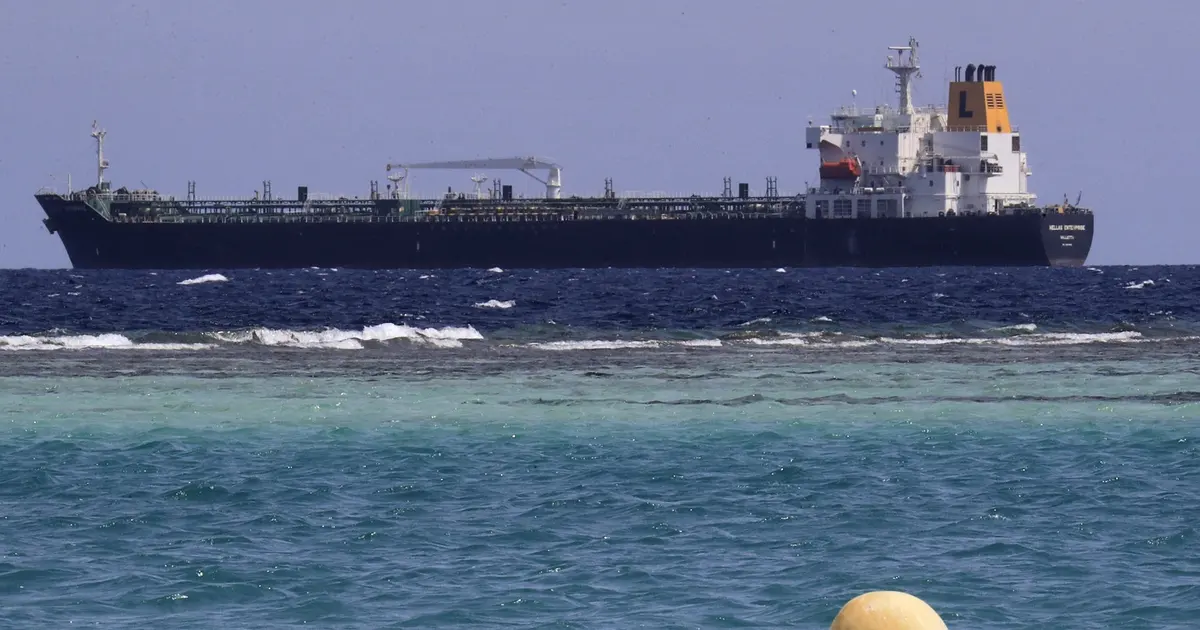
A Petronas-operated vessel has secured approval to navigate the volatile Red Sea shipping corridor and is expected to reach the Port of Melaka within the coming month, according to Prime Minister Anwar Ibrahim. The clearance represents a small but symbolically significant moment for Malaysian maritime interests in one of the world's most strategically contested waterways, where shipping operations have faced disruption due to regional security concerns.
Anwar Ibrahim seized on the development to underscore Malaysia's broader approach to international relations, characterising the successful passage as vindication of the country's commitment to maintaining a judicious and even-handed foreign policy. The Prime Minister's comments reflect a deliberate messaging strategy that connects practical commercial outcomes to Malaysia's diplomatic framework, suggesting that measured engagement with multiple stakeholders—rather than taking rigid ideological positions—yields tangible benefits for Malaysian national interests.
The Red Sea has emerged as one of the world's most sensitive maritime zones, with shipping operations frequently disrupted by security incidents and geopolitical tensions. For Malaysia, which depends heavily on seaborne trade and maintains significant oil and gas interests through Petronas, safe passage through critical chokepoints remains essential to economic stability. The clearance for the Petronas vessel thus carries practical importance beyond symbolic value, representing the resumption of normal commercial operations through a corridor that had become increasingly unpredictable.
Malaysia's position on Red Sea security reflects the nation's broader geopolitical orientation. Unlike some regional neighbours that have taken more assertive stances on Middle Eastern conflicts, Malaysia has consistently advocated for diplomatic solutions and respect for international maritime law. This approach aligns with Anwar Ibrahim's wider foreign policy doctrine, which emphasises Malaysia's capacity to maintain productive relationships across competing blocs while protecting core national economic interests.
The arrival of the Petronas vessel in Melaka next month will restore at least a portion of normal energy sector operations, though broader questions remain about the sustainability of shipping patterns in the Red Sea. For Malaysian port authorities and energy companies, the passage demonstrates that commercial routes can be maintained through careful navigation of geopolitical challenges, though the underlying security situation continues to warrant close monitoring.
Petroleums Nasional Berhad, as the national oil company, plays a central role in Malaysia's energy security strategy and international commercial relations. Operations involving Petronas vessels often attract higher-level political attention in Kuala Lumpur, reflecting the company's status as a key asset in national economic planning. The successful clearance thus carries implications beyond a single commercial transaction, signalling that Malaysian state enterprises can continue functioning despite regional instability.
For regional readers, the Petronas vessel's journey illustrates how Southeast Asian economies remain vulnerable to disruptions in distant conflict zones, yet continue seeking practical accommodations with international shipping realities. Malaysia's experience demonstrates both the constraints facing maritime nations and the possibilities for navigating through contested zones when diplomatic channels remain functional.
Anwar Ibrahim's emphasis on prudent foreign policy reflects Malaysia's historical experience as a trading nation dependent on freedom of navigation and respect for international maritime conventions. The Prime Minister's comments suggest that avoiding unnecessary entanglement in Middle Eastern disputes while maintaining robust commercial relations serves Malaysia's strategic interests more effectively than ideological positioning would.
The incident also underscores the importance of multilateral institutions and agreements in maintaining shipping security. Malaysia has long been an advocate for rules-based international order, particularly regarding maritime rights and freedoms of navigation. The clearance granted to the Petronas vessel suggests that established maritime protocols, despite contemporary tensions, continue providing frameworks for commercial operations.
Looking ahead, the successful passage of this vessel may encourage other Malaysian shipping companies and energy operators to resume or expand operations in the Red Sea corridor. However, sustained improvements in regional security would be necessary before patterns of commerce return to pre-disruption levels. The episode highlights Malaysia's strategic vulnerability to developments in distant regions, reinforcing arguments for diversification of shipping routes and energy supply chains.
For policymakers in Kuala Lumpur, the Petronas vessel's clearance represents a validation of the diplomatic engagement strategy Anwar Ibrahim has pursued since taking office. By resisting pressure to adopt inflexible positions on Middle Eastern affairs while simultaneously protecting Malaysian commercial interests, the government has positioned itself to benefit from windows of opportunity when regional tensions temporarily ease. This approach requires sophisticated management of relationships with multiple stakeholders and sustained confidence in Malaysia's ability to remain commercially engaged despite geopolitical volatility.

