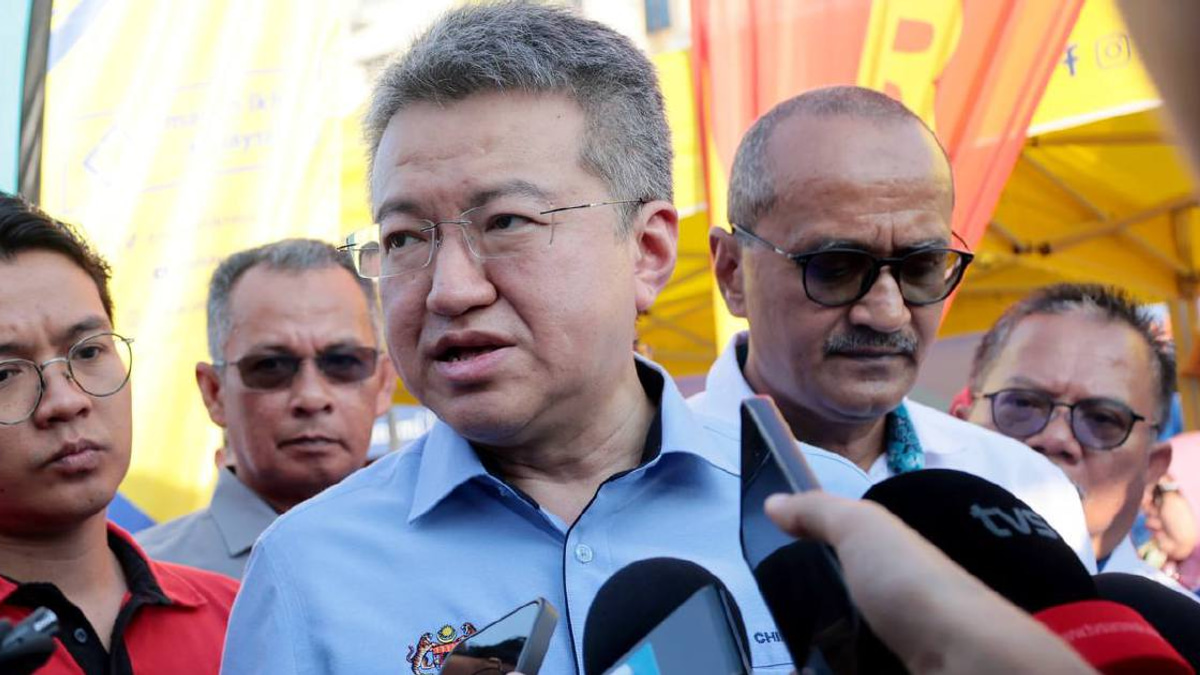
Prime Minister Datuk Seri Anwar Ibrahim has highlighted the strategic importance of Petronas' deepening involvement in Turkmenistan's energy infrastructure, characterizing the development as a pivotal moment for Malaysia's international standing in the hydrocarbon sector. The expansion of Petroliam Nasional Bhd's operations into Central Asia represents a significant geographical diversification for the national oil and gas champion, moving beyond its traditional operating regions in Southeast Asia, East Africa, and the Middle East.
Turkmenistan holds some of the planet's most substantial proven and potential gas reserves, positioning the nation as a critical player in global energy supply chains. For Petronas, a company already recognized for its operational excellence and technical expertise, gaining enhanced access to these reserves through expanded project participation creates multiple pathways to revenue generation and long-term energy security. The Central Asian republic's geopolitical location between major Asian markets—particularly China, which has consistently sought diverse energy supply sources—amplifies the commercial potential of any expanded Petronas involvement.
The implications extend well beyond corporate profit margins. Malaysia's economy, historically dependent on oil and gas revenues, has faced headwinds as global energy markets transition toward renewable sources and nations work to reduce carbon emissions. Securing stakes in major international energy projects, particularly those involving substantial reserves in geographically strategic locations, helps stabilize the country's long-term fiscal prospects and maintains its relevance in a shifting global energy paradigm. The relationship with Turkmenistan also opens doors for Malaysian expertise in downstream industries, petrochemicals, and energy infrastructure development.
From a diplomatic perspective, Petronas' expanded Turkmenistan operations strengthen bilateral ties between Kuala Lumpur and Ashgabat. Energy partnerships frequently serve as anchors for broader governmental and commercial relationships, facilitating dialogue on trade, investment, and technological cooperation. Malaysia's ability to deploy technical resources and financial capital in Central Asian energy projects enhances its profile as a serious economic player beyond the immediate Southeast Asian region, a positioning that carries weight in multilateral forums and bilateral negotiations.
The timing of this expansion is notable within the context of global energy market volatility. Oil and gas prices have experienced significant fluctuations in recent years, influenced by geopolitical tensions, supply chain disruptions, and shifting demand patterns. Turkmenistan's vast reserves, combined with developing infrastructure and emerging market access routes, offer Petronas opportunities to capture value across multiple price cycles and supply scenarios. The company's technical capabilities in deep-water and complex field development position it well to manage the operational challenges that often accompany exploration and production in less developed petroleum regions.
For Malaysian investors and stakeholders, Petronas' international expansion demonstrates the company's enduring capacity for growth and wealth creation despite challenging global conditions. The state-owned enterprise continues to invest in skills development, research and innovation, and technological advancement—investments that generate spillover benefits across Malaysia's entire energy sector and related industries. Expanded international operations also create opportunities for Malaysian engineering firms, service providers, and suppliers to secure contracts supporting project development and ongoing operations.
The Central Asian venture further illustrates Malaysia's strategic positioning within regional geopolitical dynamics. As Southeast Asian nations seek to balance relationships among major powers and secure their economic futures, demonstrating capability and presence in distant energy markets provides additional leverage and influence. Malaysia's presence in Turkmenistan energy projects signals the nation's intention to maintain economic diversification and refuses to be confined to a single regional sphere of economic activity.
Petronas' historical track record offers encouragement regarding the prospects of this Turkmenistan expansion. The company has successfully navigated complex operating environments, managed relationships with host governments, and delivered reliable production and revenue streams across multiple continents. This operational heritage suggests the organization possesses the institutional knowledge and crisis-management capabilities necessary to succeed in Central Asia's evolving energy landscape.
For the broader energy industry across Malaysia and Southeast Asia, Petronas' international expansion sets a template for regional companies seeking to scale operations globally. The demonstration that Malaysian energy enterprises can secure prominent roles in major international projects, particularly in regions far from traditional home markets, potentially encourages other local firms to pursue similar international opportunities. This multiplier effect could strengthen the entire regional energy sector's competitiveness and market presence.
Government support for Petronas' international expansion reflects recognition that energy security and economic prosperity are inextricably linked. By facilitating and encouraging the national champion's growth in priority markets like Turkmenistan, Malaysian policymakers invest in long-term economic stability and generate sustainable revenue streams that fund public services, infrastructure, and social programs. The strategic importance of maintaining Malaysia's position as a significant player in global energy markets cannot be overstated in this context.
%22%2F%3E%3C%2Fpattern%3E%3C%2Fdefs%3E%3Crect%20width%3D%22100%25%22%20height%3D%22100%25%22%20fill%3D%22url(%23ph14rfdg)%22%2F%3E%3Crect%20width%3D%22100%25%22%20height%3D%22100%25%22%20fill%3D%22url(%23ph14rfdp)%22%2F%3E%3Ctext%20x%3D%2250%25%22%20y%3D%2250%25%22%20text-anchor%3D%22middle%22%20dominant-baseline%3D%22central%22%20fill%3D%22rgba(255%2C255%2C255%2C0.95)%22%20font-family%3D%22Georgia%2C%20'Times%20New%20Roman'%2C%20serif%22%20font-weight%3D%22700%22%20font-size%3D%22272%22%20letter-spacing%3D%22-0.02em%22%3EAnwar%3C%2Ftext%3E%3C%2Fsvg%3E)