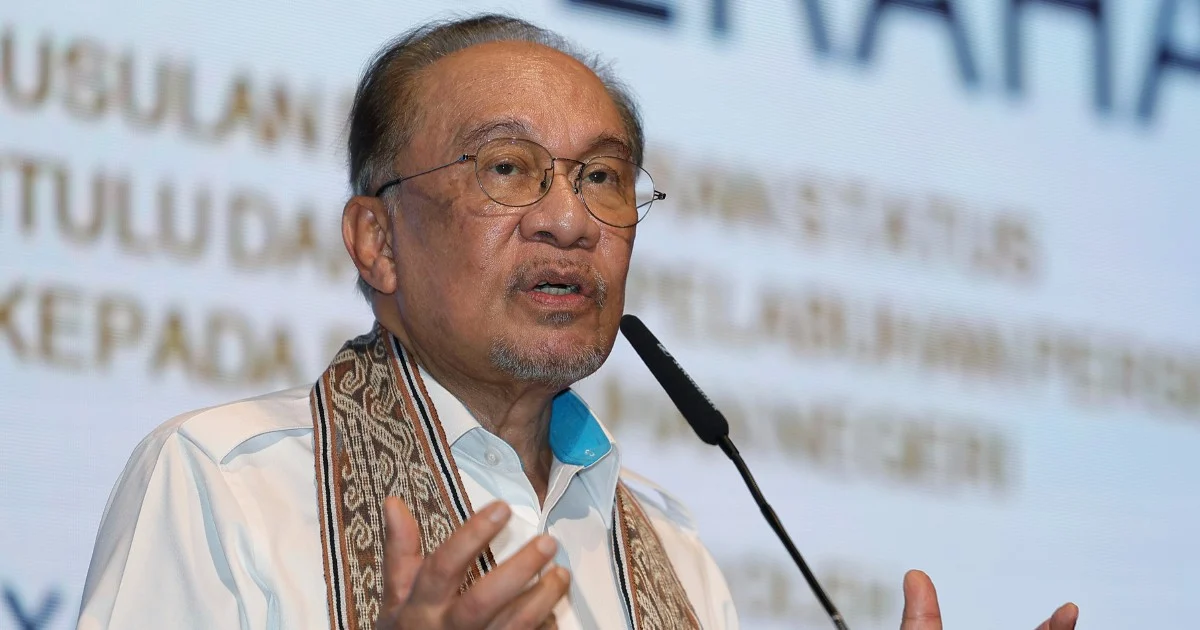
Prime Minister Datuk Seri Anwar Ibrahim has indicated that diplomatic efforts between Petronas and Petros are progressing in a constructive direction, providing a glimmer of optimism to an energy partnership that has been a flashpoint for federal-state relations. The statement, delivered in Kuching, represents the latest public acknowledgement of headway in discussions that carry considerable weight for Malaysia's oil and gas sector and regional energy markets.
The partnership between Petronas, the national oil and gas conglomerate, and Petros, Sarawak's petroleum development corporation, touches on fundamental questions about resource ownership and revenue distribution that have long divided federal and state governments. The negotiations address not only immediate commercial concerns but also deeper constitutional questions about how Malaysia's federal structure handles energy wealth, making progress on the bilateral front particularly significant for stakeholders across Southeast Asia watching how federal systems manage resource nationalism.
Sarawak holds approximately 40 per cent of Malaysia's proven oil reserves and substantial natural gas deposits, making it strategically crucial to national energy security and export earnings. Petros, established to safeguard the state's interests in these resources, has increasingly asserted its role in upstream activities traditionally dominated by Petronas. The dynamic between these two entities reflects broader shifts in how Malaysia's component states are asserting sovereignty over resources within their jurisdictions, a pattern replicated across other federal systems in the region.
Anwar's optimistic characterisation of the discussions suggests both sides have moved beyond hardline positions that previously seemed entrenched. Whether negotiations focus on revenue sharing arrangements, operational control, or joint venture structures remains unclear from public statements, but the signal of positive momentum indicates parties are finding common ground on contentious issues. This diplomatic progress matters not only for Malaysia but for international energy markets tracking the stability of major regional oil and gas producers.
The timing of Anwar's comments from Sarawak carries symbolic weight. Direct communication by the Prime Minister from the state's capital underscores federal-level commitment to resolving outstanding grievances and signals respect for Sarawak's importance to the national energy portfolio. Such gestures matter in federal negotiations where regional governments often feel overlooked or marginalised in resource discussions where their interests are paramount.
Petros has increasingly sought greater participation in exploration and production activities, challenging Petronas's traditional monopoly over upstream operations. This ambition reflects a global trend where state-owned enterprises in energy-rich nations demand greater control over resource extraction and commercialisation. Malaysia's experience with this dynamic provides lessons for other Southeast Asian nations wrestling with similar resource governance questions, particularly Thailand, Vietnam, and Indonesia, where state and federal interests in energy wealth frequently collide.
The energy sector represents a critical component of Malaysia's economy, contributing substantially to government revenues and foreign exchange earnings. Uncertainty surrounding the Petronas-Petros relationship has created operational challenges and deterred some international investment in Malaysian upstream projects. Resolution of key governance questions would provide the regulatory clarity that major oil companies and their financial backers require when committing billions to long-term development programmes in Southeast Asian waters.
Anwar's positioning as an advocate for coordinated federal-state energy cooperation reflects his broader political strategy of strengthening federal-state relationships after years of friction between different government levels. His willingness to publicly acknowledge progress demonstrates confidence that the negotiating trajectory is sustainable and that an agreement satisfactory to both parties appears achievable within reasonable timeframes. Such public optimism from the highest level of government typically indicates that negotiators have cleared significant procedural hurdles and are approaching substantive resolutions.
The international dimension of these negotiations warrants attention. Major energy producers including Saudi Aramco, ExxonMobil, and Shell all maintain significant operations in Malaysian waters, and their investment decisions hinge partly on clarity about the operating environment and resource governance frameworks. A successful resolution between Petronas and Petros would demonstrate Malaysia's capacity to manage federalism efficiently in the energy sector, potentially encouraging greater foreign direct investment and demonstrating political maturity in resource management.
Looking forward, successful conclusion of negotiations could establish a template for how Malaysia navigates the intersection of federal authority and state autonomy in resource-rich jurisdictions. Beyond the immediate commercial implications, such a settlement would signal to investors and regional partners that Malaysia's political structures, despite occasional tensions, can facilitate the cooperation necessary for major infrastructure and development projects. The energy sector's strategic importance means that positive momentum in Petronas-Petros discussions ripples throughout the broader economy and Malaysia's regional standing.
%22%2F%3E%3C%2Fpattern%3E%3C%2Fdefs%3E%3Crect%20width%3D%22100%25%22%20height%3D%22100%25%22%20fill%3D%22url(%23ph54x43g)%22%2F%3E%3Crect%20width%3D%22100%25%22%20height%3D%22100%25%22%20fill%3D%22url(%23ph54x43p)%22%2F%3E%3Ctext%20x%3D%2250%25%22%20y%3D%2250%25%22%20text-anchor%3D%22middle%22%20dominant-baseline%3D%22central%22%20fill%3D%22rgba(255%2C255%2C255%2C0.95)%22%20font-family%3D%22Georgia%2C%20'Times%20New%20Roman'%2C%20serif%22%20font-weight%3D%22700%22%20font-size%3D%22320%22%20letter-spacing%3D%22-0.02em%22%3E300%3C%2Ftext%3E%3C%2Fsvg%3E)
%22%2F%3E%3C%2Fpattern%3E%3C%2Fdefs%3E%3Crect%20width%3D%22100%25%22%20height%3D%22100%25%22%20fill%3D%22url(%23ph188wlg)%22%2F%3E%3Crect%20width%3D%22100%25%22%20height%3D%22100%25%22%20fill%3D%22url(%23ph188wlp)%22%2F%3E%3Ctext%20x%3D%2250%25%22%20y%3D%2250%25%22%20text-anchor%3D%22middle%22%20dominant-baseline%3D%22central%22%20fill%3D%22rgba(255%2C255%2C255%2C0.95)%22%20font-family%3D%22Georgia%2C%20'Times%20New%20Roman'%2C%20serif%22%20font-weight%3D%22700%22%20font-size%3D%22151%22%20letter-spacing%3D%22-0.02em%22%3EMalaysian%3C%2Ftext%3E%3C%2Fsvg%3E)
%22%2F%3E%3C%2Fpattern%3E%3C%2Fdefs%3E%3Crect%20width%3D%22100%25%22%20height%3D%22100%25%22%20fill%3D%22url(%23ph5ar27g)%22%2F%3E%3Crect%20width%3D%22100%25%22%20height%3D%22100%25%22%20fill%3D%22url(%23ph5ar27p)%22%2F%3E%3Ctext%20x%3D%2250%25%22%20y%3D%2250%25%22%20text-anchor%3D%22middle%22%20dominant-baseline%3D%22central%22%20fill%3D%22rgba(255%2C255%2C255%2C0.95)%22%20font-family%3D%22Georgia%2C%20'Times%20New%20Roman'%2C%20serif%22%20font-weight%3D%22700%22%20font-size%3D%22226%22%20letter-spacing%3D%22-0.02em%22%3EPolice%3C%2Ftext%3E%3C%2Fsvg%3E)