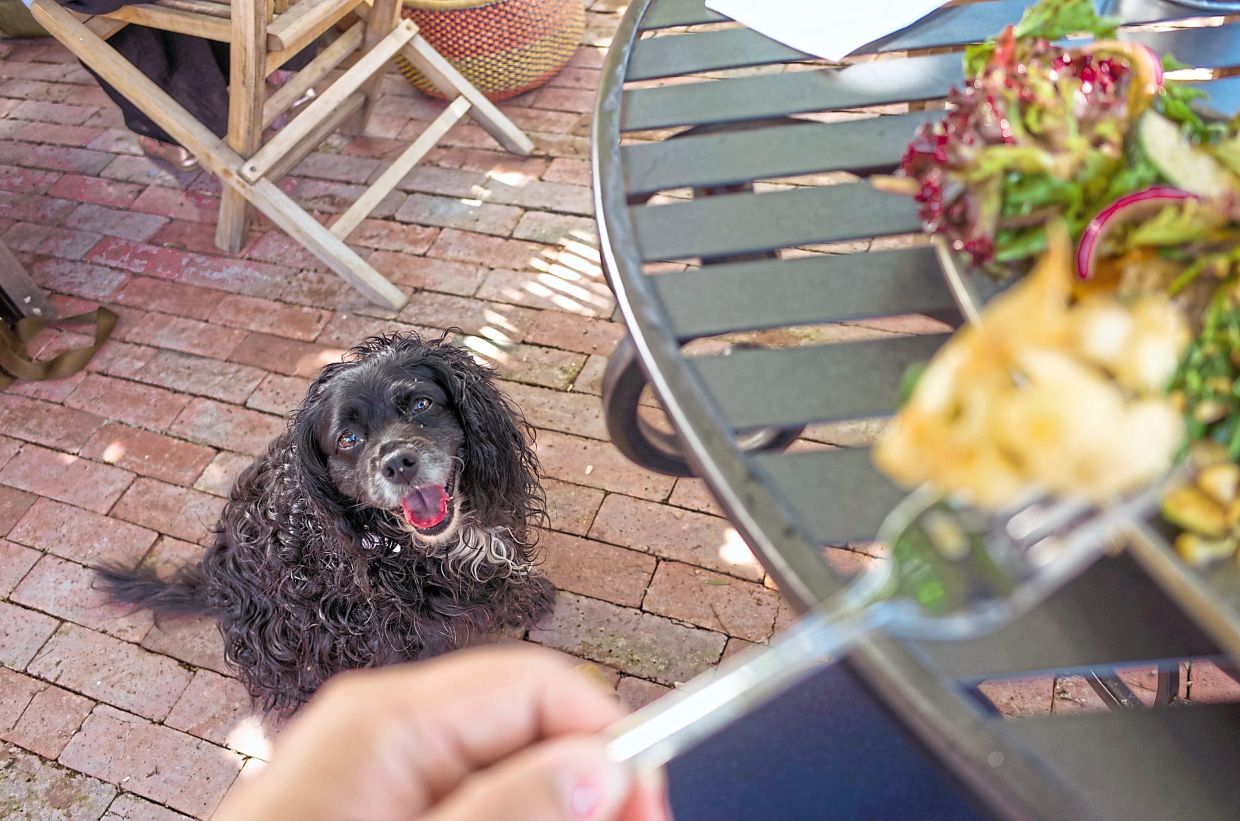
Malaysia's growing community of pet-friendly restaurants and dining areas offers dog owners the chance to enjoy meals alongside their canine companions, particularly during warmer months when outdoor seating becomes more appealing. However, bringing your dog to a restaurant requires careful planning and attention to your pet's wellbeing throughout the experience. Several critical considerations can determine whether the outing proves enjoyable for both you and your pup.
Temperature management represents perhaps the most pressing concern when dining outdoors with dogs in a tropical climate like Malaysia's. The combination of intense sun exposure and prolonged sitting at a table can quickly lead to overheating, a serious health risk for dogs who cannot regulate body temperature as efficiently as humans. Owners should always carry a collapsible water bowl or portable dog dish to ensure constant access to fresh water. Observing your dog's behaviour is equally important—heavy panting, excessive drooling, or lethargy are clear warning signs that your pet is overheating and needs immediate relief, ideally by returning home to a cooler environment.
Before settling into your table, conduct a thorough environmental assessment from your dog's perspective. Examine the area under and around your seating arrangement for potential hazards that an inquisitive or bored dog might investigate or consume. This preliminary scan prevents dangerous situations from developing while you're focused on your meal and conversation.
The types of food available at restaurants pose particular risks to dogs. Many human foods commonly served at dining establishments can trigger serious health complications in canines. Fatty dishes may cause pancreatitis, a potentially life-threatening inflammation of the pancreas. Chocolate, frequently featured in desserts and beverages, contains theobromine, which is toxic to dogs. Raisins and grapes, sometimes found in salads or appetisers, can cause acute kidney failure in dogs. Avocado, macadamia nuts, and foods containing xylitol present additional dangers. Keeping these hazards away from your dog's reach and actively monitoring what falls from the table during the meal becomes essential when dining in close quarters.
Dogs left under tables on short leashes or confined in tight spaces often become restless and anxious. The combination of unfamiliar sights, sounds, and smells from a busy restaurant, coupled with physical restriction, can generate significant stress for many animals. Bringing entertainment options helps mitigate this problem. Interactive toys, puzzle feeders, long-lasting chews, or specially designed dog treats can occupy your pup's attention and redirect focus away from the surrounding activity. This preparation transforms what might otherwise be an uncomfortable experience into something more manageable.
Understanding your individual dog's temperament and stress tolerance is crucial when deciding whether to bring them along. Dogs prone to anxiety in crowded environments may experience genuine distress in busy restaurant settings, regardless of how well-intentioned the outing. The constant noise, movement, and presence of strangers can overwhelm sensitive dogs, making them uncomfortable throughout the meal. In such cases, leaving your dog at home in a calm, familiar environment with adequate care arrangements represents the more responsible choice.
The appeal of bringing your dog along must be weighed against their actual comfort and safety. While owners often assume their pets will enjoy socialisation and novelty, many dogs find restaurant environments overstimulating rather than enriching. Pet owners should honestly assess whether the outing benefits the dog or primarily serves the owner's desire for companionship.
For those with dogs who genuinely enjoy social dining experiences, Malaysia's expanding network of pet-friendly venues provides legitimate opportunities to create positive memories. However, success depends on thorough preparation, constant vigilance, and willingness to prioritise your dog's wellbeing over your own preferences. Choosing to leave your pet at home when conditions aren't ideal reflects genuine care and responsible pet ownership, ultimately strengthening the bond between owner and animal.

