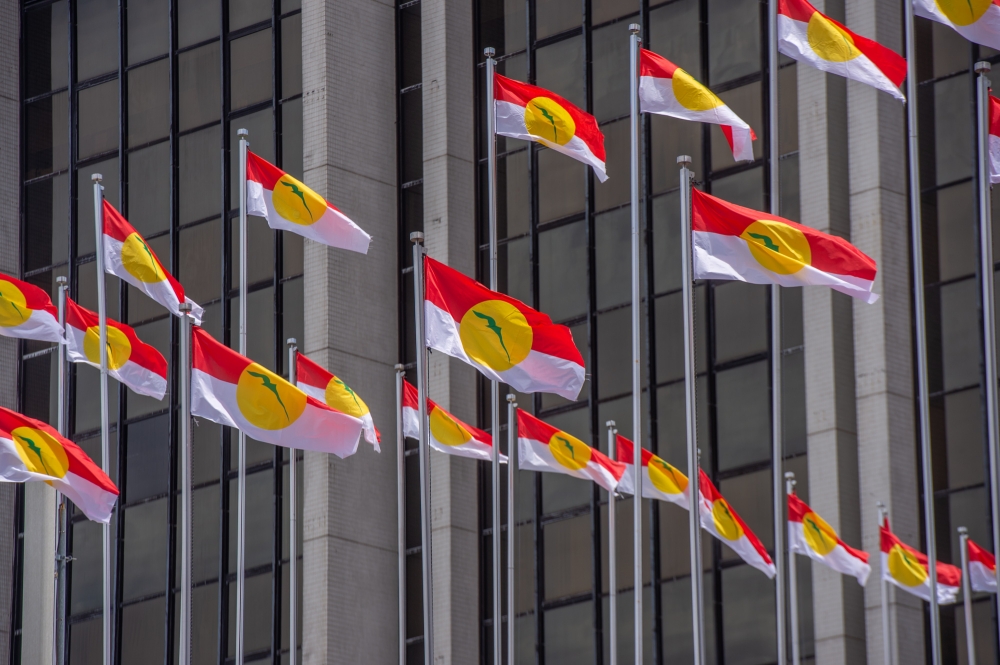
Perlis Umno is ramping up organisational preparations to contest every available seat in the state without relying on coalition partners, marking a significant strategic pivot that could reshape the political landscape in Malaysia's smallest peninsula state. The party's decision to pursue a solo campaign across all 15 state assembly constituencies and three parliamentary seats reflects growing confidence in its grassroots machinery and a recalibration of how it approaches electoral competition.
This move carries substantial implications for Barisan Nasional's traditional coalition structure, which has historically relied on seat-sharing agreements between Umno and its partners. Perlis, which has been a reliable Umno stronghold for decades, has typically ceded certain constituencies to component parties, but this latest strategy suggests the party leadership believes it can capture more ground independently. The timing of this announcement comes as Malaysia's political landscape continues to evolve following recent electoral cycles that have tested traditional party alliances.
The Perlis chapter is reportedly strengthening its party branches at the grassroots level and conducting systematic electoral mapping to identify winnable constituencies. Internal party meetings have been convened to assess candidate quality and party readiness across all contested seats, with emphasis placed on selecting representatives who can connect with local voters. This meticulous preparation indicates that Perlis Umno views this not as a symbolic gesture but as a genuine attempt to maximise its electoral footprint.
For Malaysian readers following national coalition politics, Perlis's repositioning reflects broader Umno thinking about reclaiming electoral ground lost to rival parties and smaller coalition components that have sometimes underperformed. By contesting all available seats, Umno can prevent opposition parties from winning through a fragmented contest and potentially strengthen its bargaining position within any future federal coalition government. This strategic calculus is particularly relevant in smaller states where tight contests can determine legislative majorities.
The state has 15 state assembly seats and three parliamentary constituencies representing Arau, Kangar, and Padang Besar. Historically, Perlis has been among Malaysia's most stable states politically, with Umno maintaining consistent control. However, the party's decision to go fully independent suggests internal assessments indicate sufficient organisational capacity and candidate depth to contest comprehensively. This confidence may reflect demographic shifts within the state or polling data suggesting voter appetite for change within the coalition framework.
Regional observers note that Perlis's approach could influence similar discussions within Umno chapters in other states, potentially triggering broader debates about coalition architecture ahead of the next general election. If successful, it could become a template for how Umno repositions itself relative to coalition partners. Conversely, if Umno falters in seats it might have won through formal cooperation, it could validate continuing alliance arrangements with proven partners.
The timing also matters contextually. Malaysian electoral politics has witnessed significant realignment since the 2022 general election, with voters showing less predictable patterns than in previous decades. Perlis Umno's leadership may believe that a unified, party-focused campaign can energise base supporters and cut through noise created by coalition negotiations. This approach emphasises party identity and brand over institutional partnership, which could prove effective in mobilising grassroots enthusiasts.
For Southeast Asian political analysts, Perlis represents an interesting case study in how traditional dominant parties navigate changing electoral environments. The decision reflects confidence but also vulnerability—if Umno cannot deliver across all 18 seats, the party risks appearing overextended or suffering credibility damage. This binary outcome makes the coming election particularly significant for assessing Umno's true organisational strength independent of formal coalition machinery.
Candidates selected across the state will face the dual challenge of representing both party interests and local constituency concerns. The quality of these individuals and their campaign effectiveness will ultimately determine whether Perlis Umno's ambitious solo strategy yields electoral rewards or serves as cautionary tale about overconfidence. Party leaders are evidently wagering that local Umno structures, networks, and community relationships are sufficiently robust to compete without institutional support from coalition partners.
The broader political significance extends beyond Perlis itself. Malaysia's coalition system has been under strain, with smaller parties demanding greater representation and Umno occasionally feeling constrained by alliance obligations. This state-level experiment could signal shifting calculus about coalition viability. If Umno demonstrates it can win substantially through independent campaigns, it gains leverage in future coalition negotiations and reduces dependence on component parties for securing federal parliamentary majorities.
Observers will particularly watch how Perlis Umno navigates the candidate selection process. Endorsements will inevitably disappoint some aspirants, and internal party politics could surface as decisions are made about which constituencies field party veterans versus new faces. These internal dynamics often determine how effectively parties execute their electoral strategies, and Perlis's success or failure may ultimately rest on how well it manages competing ambitions within its own ranks.
The coming months will reveal whether Perlis Umno's preparation translates into credible campaign machinery or represents optimistic overestimation of party capacity. Regardless of electoral outcomes, this decision reflects how Malaysia's dominant political forces continue adjusting strategies in response to a more complex and less predictable voting environment than existed in earlier electoral cycles. The state's election results could provide valuable data about whether traditional coalition models remain viable or whether individual party strength matters more than institutional partnerships in contemporary Malaysian politics.

