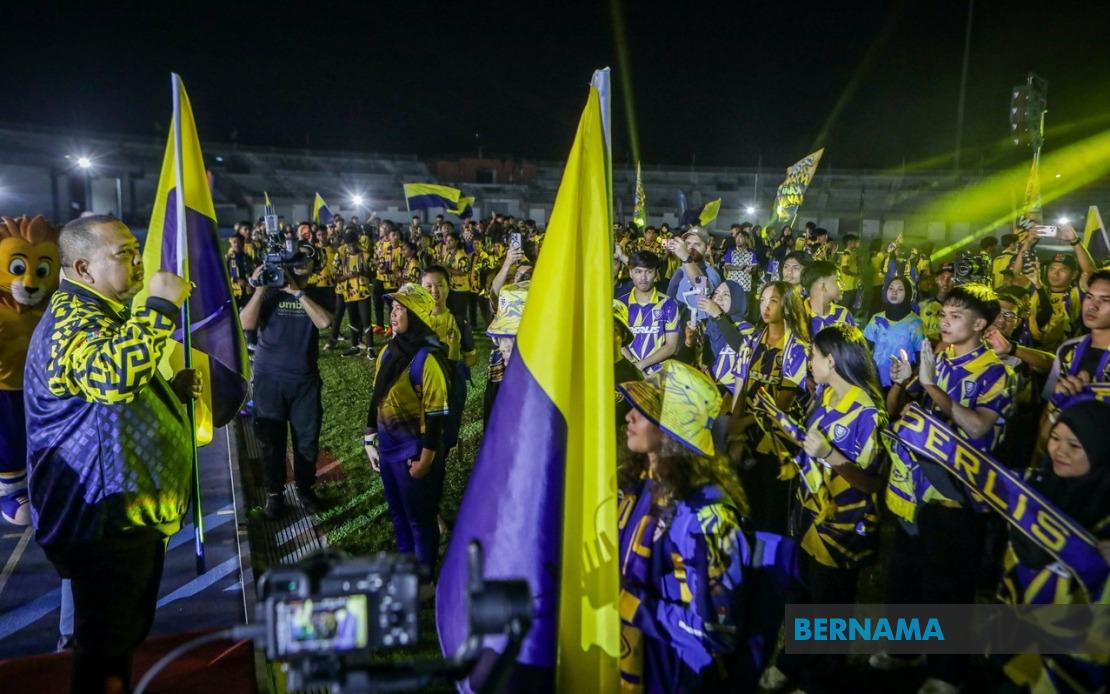
Perlis has delivered its most impressive performance in Malaysia Games history, securing 17 gold medals at SUKMA 2026 hosted by Selangor—a milestone that signals the state's sports system is maturing and producing results at the national level. The achievement, announced by Perlis Menteri Besar Abu Bakar Hamzah, represents a culmination of years of strategic investment in athletic development and reflects the collaborative efforts spanning the state government, coaching staff, athletes, sports associations, and the State Sports Council.
The overall medal tally of 42 medals, comprising those 17 golds alongside seven silver and 18 bronze, demonstrates breadth across multiple disciplines rather than success concentrated in a few events. This diversified performance suggests that Perlis's infrastructure and talent pipeline have matured sufficiently to compete across various sports, a departure from earlier SUKMA cycles when smaller states typically concentrated their medal prospects narrowly. For a state of Perlis's size and population base, mounting such a comprehensive challenge at the national games requires careful planning and resource allocation that extends beyond elite athletes to junior development programmes.
Among the standout performances were records set by Perlis competitors in shot put, where athletes surpassed previous SUKMA benchmarks, and a commanding display by the state's weightlifting team that earned them overall championship honours at the Selangor games. These pinnacle achievements carry significance beyond the medals themselves, as they demonstrate that Perlis has cultivated coaching expertise and sports science support capable of producing medal-winning performances in technically demanding disciplines. The shot put record, in particular, signals that the state has invested in training methodologies and athlete development frameworks that can compete with more established sports powerhouses.
For Malaysia's regional sports ecosystem, Perlis's breakthrough carries implications for how smaller and less urbanised states approach competitive sports. Traditionally, SUKMA medals have clustered among larger, wealthier states with established sporting infrastructure, yet Perlis's performance illustrates that systematic investment, quality coaching, and athlete welfare provisions can level the playing field. This has relevance for states like Perlis that have historically struggled to flex sporting muscle at the national level, and may inspire similar strategic reorientation elsewhere in the federation.
Abu Bakar emphasised that the state government intends to sustain this momentum through continued prioritisation of talent identification, high-performance training schemes, coaching development, sports science integration, facility upgrades, and athlete support systems. This holistic approach—rather than focusing narrowly on competition outcomes—suggests a commitment to building institutional capacity that transcends any single games cycle. By anchoring policy in structural improvements, Perlis authorities are signalling that the 17 golds represent a platform rather than a peak, though maintaining such focus amid competing fiscal priorities remains a perpetual challenge for state governments.
The state administration is currently deliberating financial incentives for medal-winning athletes, with a formal presentation ceremony scheduled to follow the conclusion of Para SUKMA Selangor 2026. Recognition and reward structures matter significantly for athlete retention and motivation, particularly in smaller states where competing entertainment and employment opportunities might otherwise draw talented individuals away from competitive sport. How generously Perlis calibrates these incentives will indicate the seriousness with which the state prioritises maintaining its athletic pipeline.
Perlis's SUKMA 2026 campaign also merits examination within the broader national sports strategy. Malaysia has long championed SUKMA as a platform for identifying and developing national squad prospects, yet the games' structure and funding models can inadvertently disadvantage peripheral states. Perlis's achievement despite these structural headwinds reflects both state-level determination and the individual aspirations of athletes from a region that traditionally receives less national sports investment spotlight than Kuala Lumpur, Selangor, or Johor. Their success underscores that potential talent exists nationwide, contingent upon opportunity and support reaching beyond the customary strongholds.
The weightlifting championship particularly illustrates how concentrated investment in specific disciplines can yield outsized returns. By developing elite-level expertise and facilities in select sports, states can punch above their demographic weight and build reputational momentum. For smaller states considering their SUKMA strategies, Perlis's experience suggests that selective depth beats distributed mediocrity—investing substantially in sports where coaching quality and athlete aptitude align produces more sustainable medal returns than spreading resources thinly.
Looking forward, the question becomes whether Perlis can consolidate these gains or whether SUKMA 2026 represents an exceptional performance unlikely to repeat. Sustaining success requires that the state government maintain budget commitments to sports programmes even as other priorities compete for resources, that coaching talent remains engaged rather than migrating to better-resourced states, and that younger athletes progress through development pathways to eventually replace current medallists. Many state sports programmes have shown inconsistency precisely because they depend heavily on individual administrative cycles and political priorities rather than institutionalised commitment.
For Southeast Asian observers monitoring Malaysia's athletic trajectory, Perlis's showing contributes useful data about how smaller jurisdictions can organise competitive sport effectively. The region contains numerous states and provinces with populations and resources comparable to Perlis, and policy lessons from the Malaysian state's approach to talent development, coaching recruitment, and athlete welfare may resonate across borders. Similarly, Malaysia's larger states and rival nations can study how Perlis competed effectively at SUKMA 2026 and adjust their own strategies accordingly.
Ultimately, Perlis's 17-gold achievement reflects not merely athletic talent but deliberate governance choices about prioritising sports development within fiscal constraints. Whether this represents a sustainable trajectory or a singular accomplishment will become clearer as subsequent SUKMA cycles unfold, but the performance unquestionably establishes that competitive sport excellence is not the exclusive preserve of Malaysia's demographically or economically largest states. For Perlis and other comparable jurisdictions, this message carries genuine encouragement for future ambitions.

