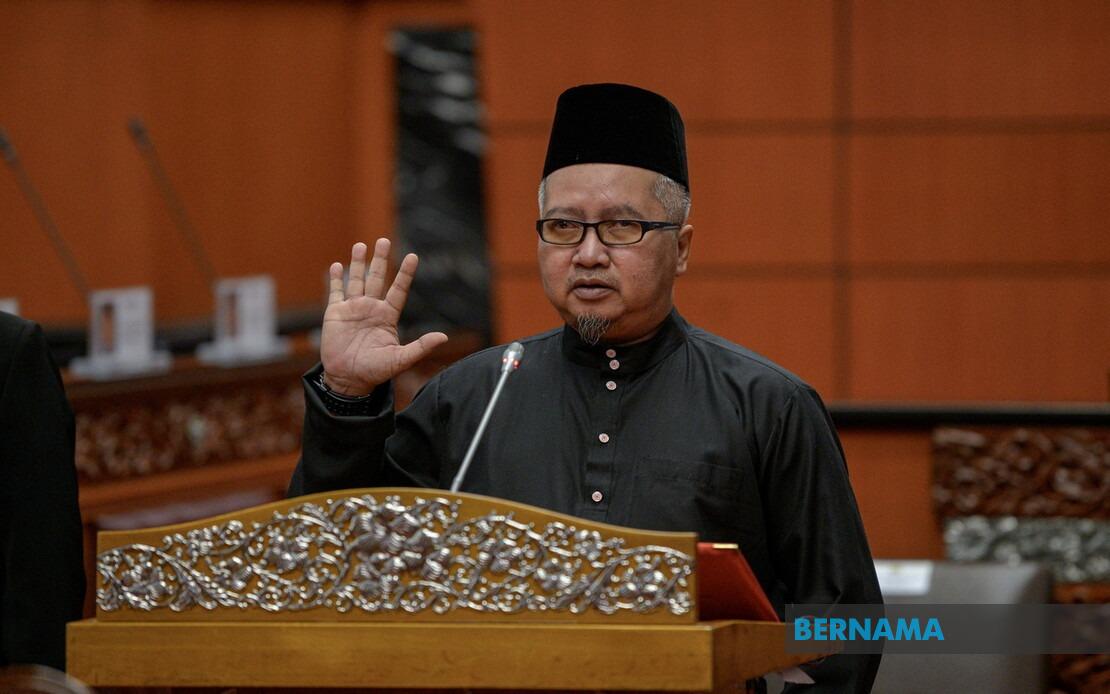
Senator Azahar Hassan, the Perlis secretary of Parti Pribumi Bersatu Malaysia, has formally terminated his membership and all associated party roles, signalling another shift in the party's internal dynamics in the northern state. The announcement, made in Kangar on Tuesday, represents a notable departure for a figure who was only recently elevated to the upper house of Parliament, having been appointed to the Dewan Negara just months earlier in October 2024 by the Perlis State Legislative Assembly.
The resignation comes at a time when Bersatu faces ongoing internal pressures and evolving political landscapes across Malaysia. Azahar's decision reflects broader tensions that have characterised the party since its inception, where ideological differences and strategic disagreements have frequently prompted senior figures to reassess their political positions. The timing of his departure, occurring just nine months into his tenure as a Senator, underscores the volatility that can characterise Malaysian political affiliations, particularly within coalition parties navigating complex state-level dynamics.
In his official statement, Azahar articulated that his withdrawal stemmed from careful deliberation regarding the party's current trajectory and his own political convictions. He emphasised that the decision aligned with his foundational principles and personal vision for political engagement, suggesting that substantive disagreements rather than mere administrative matters prompted the move. This framing is significant because it indicates philosophical divergence rather than opportunistic repositioning, though the precise nature of these disagreements remains unexplained in public statements.
Notably, Azahar has chosen to retain his position within the Dewan Negara, maintaining his legislative responsibilities and continued representation of Perlis interests at the national level. This distinction is important for understanding the scope of his departure, which specifically targets his party affiliation while preserving his capacity to serve as an elected representative. The decision to remain in the upper house suggests his commitment to governmental service transcends party loyalty, a positioning that allows him to continue contributing to parliamentary deliberations while operating independently of Bersatu's organisational structure.
For Perlis Bersatu, the resignation represents another personnel challenge for a party that has experienced significant transitions since its establishment under Prime Minister Mahathir Mohamad's leadership. The state branch has remained relatively smaller compared to Bersatu's presence in other Malaysian states, making departures of senior figures particularly consequential for organisational capacity and political leverage within the state government framework. The loss of a secretary-level official compounds existing pressures facing the party's state machinery.
The broader implications for Bersatu's national operations warrant consideration, particularly given the party's coalition partnership with UMNO and MCA within the ruling Barisan Nasional framework. While individual departures may not immediately destabilise national arrangements, cumulative losses of experienced administrators can erode the party's institutional cohesion and political effectiveness. Perlis, despite its smaller population, maintains symbolic importance within Malaysia's political geography as the northernmost state and host to several nationally significant constituencies.
Azahar's departure may also reflect personalised calculations regarding electoral viability and political career trajectories. The Dewan Negara position, while prestigious, does not confer the direct electoral mandate that comes with state assembly or parliamentary seats. For politically ambitious figures, maintaining Senate membership while exploring alternative party vehicles or independent political positioning can preserve options for future advancement without immediately sacrificing institutional status.
The party's response to this resignation will be instructive for evaluating Bersatu's organisational resilience and leadership depth in Perlis. Whether the party rapidly identifies replacement candidates and consolidates support, or faces further departures, will significantly shape its competitive positioning in the state. The resignation also provides an opportunity for remaining Perlis Bersatu leadership to articulate the party's strategic direction and renew membership confidence.
For Malaysian observers monitoring intra-party dynamics and coalition stability, Azahar's departure exemplifies the ongoing fluidity characterising Malaysian political membership. Politicians frequently reassess their partisan affiliations based on shifting ideological positioning, career considerations, and evolving electoral calculations. These movements, while individually notable, collectively reflect the pragmatic nature of Malaysian political engagement where party loyalty remains conditional upon personal and strategic alignment.
Moving forward, Azahar's status as an independent Senator without party affiliation opens possibilities for expanded legislative autonomy. He can now engage parliamentary debates and committee work unencumbered by party discipline requirements, potentially allowing greater flexibility in representing Perlis constituencies according to his independent judgment. This positioning may prove increasingly attractive to other figures questioning their current partisan arrangements, potentially influencing broader party cohesion patterns across Malaysian politics.

