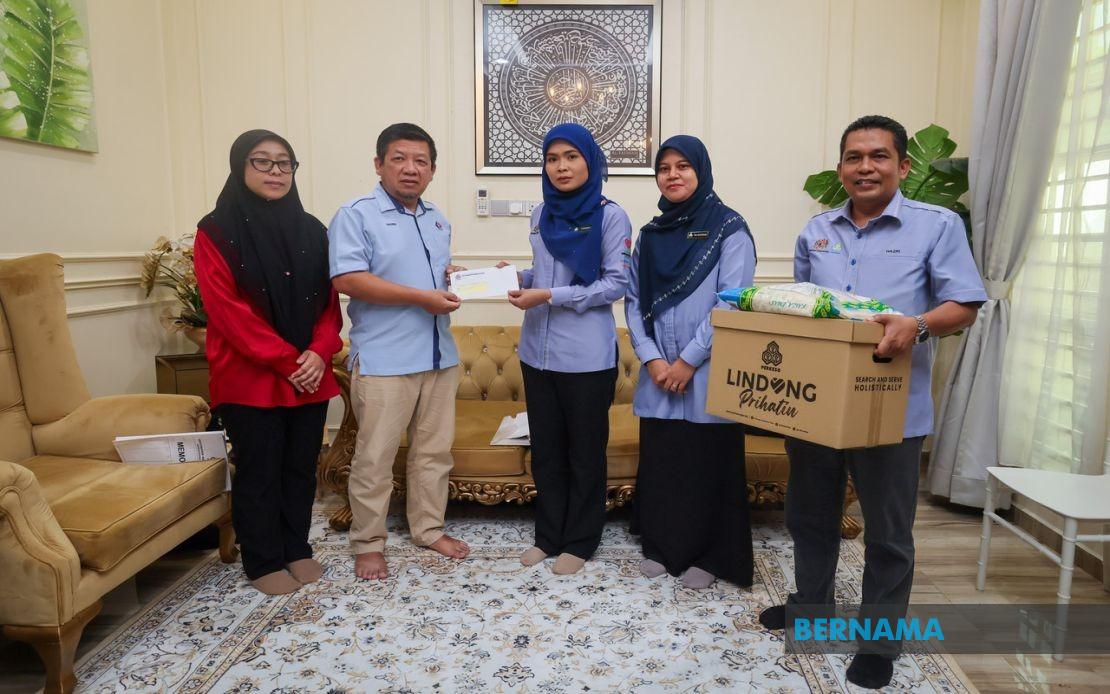
The Social Security Organisation (PERKESO) has transferred substantial welfare support totalling nearly RM3.5 million to workers and beneficiaries across Kelantan during the first half of 2024, underscoring the critical role of employment injury insurance in protecting Malaysia's workforce. According to Nor Aziemah Ismail, the state's deputy director, the distribution reflects PERKESO's commitment to ensuring that covered workers receive timely assistance when workplace incidents disrupt their livelihoods.
Temporary Disablement Benefit payments dominated the benefit payout profile, with RM2.388 million disbursed to workers unable to perform their duties following employment-related injuries. This category of support addresses one of the most immediate challenges workers face when accidents interrupt their earning capacity, providing essential income replacement during recovery periods. The scale of these payments suggests a steady stream of workplace incidents across Kelantan's industrial and commercial sectors, reflecting the ongoing occupational hazards that define Malaysia's working environment despite safety improvements over recent years.
Beyond temporary disablement support, PERKESO's benefit channels extend to families facing catastrophic loss. Dependants' Benefit payments of RM73,000 reached the immediate family members of workers killed in employment-related accidents, recognising the sudden financial vulnerability that arises when a breadwinner is lost to workplace tragedy. This comparatively modest figure relative to other benefit categories may reflect either lower mortality rates in workplace incidents or improved occupational safety practices, though the human cost remains significant regardless of volume.
Funeral Benefit disbursements approaching RM1 million represent PERKESO's recognition that families cannot delay funeral arrangements while processing claims. The organisation's commitment to approving funeral claims within 24 hours of receiving complete documentation demonstrates awareness that grieving families require rapid financial support to manage immediate obligations. With each eligible claim receiving RM3,000, the fund has assisted numerous families in conducting dignified funeral arrangements during their time of acute distress and financial vulnerability.
The 24-Hour Employment Injury Scheme represents an evolution in PERKESO's coverage philosophy, extending protection beyond conventional working hours and workplace boundaries. By covering workplace-related injuries occurring during personal errands or leisure activities—if they would not have happened but for the worker's employment circumstances—the scheme acknowledges that contemporary employment relationships blur traditional distinctions between work and non-work time. Kelantan's nine approved claims under this scheme, including incidents involving motorcycle convoys and school transport duties, illustrate how workers' lives cannot be compartmentalised into distinct working and non-working periods.
The sick leave benefit payments totalling RM1,300 disbursed to nine recipients under the expanded scheme may appear modest, yet they represent recognition of often-overlooked injuries that occur outside formal work settings. A worker attending to personal matters who experiences an employment-related injury receives the same protection as someone injured during standard shift hours, a principle that fundamentally reshapes how employment security operates in Malaysia's increasingly flexible labour market. This inclusive approach protects gig economy workers, those with irregular schedules, and traditional employees alike.
For Malaysian workers and employers, PERKESO's operational performance in Kelantan offers important signals about the robustness of Malaysia's social security infrastructure. The organisation's ability to process and disburse RM3.5 million within six months, while maintaining rapid claim approval cycles, demonstrates institutional capacity to manage the social costs of workplace injuries. However, the substantial volume of payouts also suggests that preventable workplace incidents remain a persistent challenge requiring renewed focus on occupational safety culture across industries.
The benefit distribution pattern reveals that employment injury insurance, while functioning effectively as a claims-processing mechanism, represents a reactive rather than preventive approach to workplace safety. The RM2.388 million in temporary disablement payments, while providing crucial support to injured workers, underscores the reality that workplace accidents continue occurring regularly enough to generate significant claims volumes. This dynamic creates an opportunity for employers to reassess their safety investments, recognising that prevention often costs less than managing disability claims and associated productivity losses.
For workers and their families, PERKESO's benefit structure offers meaningful but incomplete security. While temporary disablement payments help bridge income gaps during recovery, the fixed funeral assistance amounts and modest sick leave benefits may not fully address severe financial disruptions. Workers should ensure they understand their coverage limits and consider supplementary insurance arrangements, particularly if they are primary household earners or work in high-risk occupations. Understanding PERKESO's protection mechanisms empowers workers to make informed decisions about their financial security planning.
Regionally, Malaysia's social security approach through PERKESO reflects broader Southeast Asian trends toward formalising worker protections and establishing institutional mechanisms for managing employment-related risks. However, coverage gaps remain significant, particularly for informal sector workers, migrant employees, and those in non-traditional employment arrangements. As Malaysia's economy continues evolving toward services and knowledge work, PERKESO must adapt its benefit structures and coverage models to address emerging occupational risks in digital and remote work environments.
The Kelantan distribution figures also highlight regional economic dimensions often overlooked in national policy discussions. The state's benefit disbursement levels reflect its workforce composition, industrial mix, and prevailing safety standards. Comparing Kelantan's performance against other states could identify whether certain regions experience disproportionately high injury rates, potentially signalling the need for targeted safety interventions or additional support mechanisms for workers in particularly hazardous sectors.
Moving forward, PERKESO's challenge extends beyond efficient claims processing toward fostering preventive safety cultures that reduce the incidents generating benefit claims in the first place. The organisation's rapid approval cycles and comprehensive benefit categories represent institutional strengths, yet they remain interventions occurring after harm has already befallen workers. Collaborating with employers, industry associations, and occupational safety agencies to drive incident reduction could ultimately reduce the pressure on benefit programmes while improving worker wellbeing more fundamentally.

