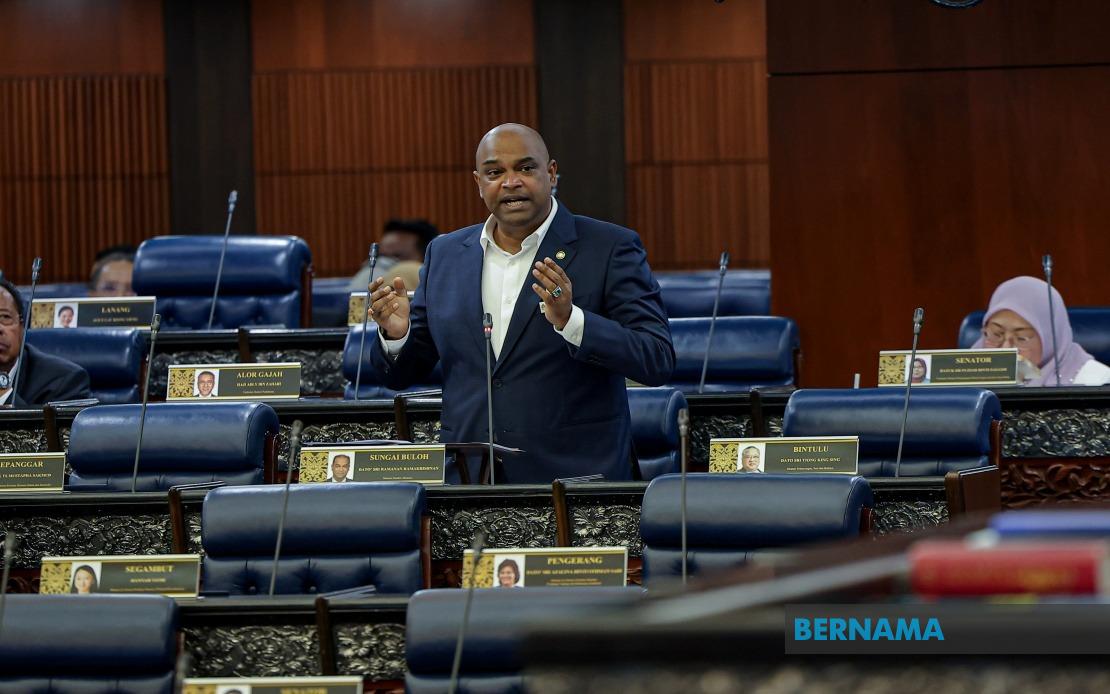
Malaysia's Social Security Organisation (PERKESO) has demonstrated robust operational performance, with claims and benefit payments processing achieving an average compliance rate exceeding 96 per cent in the previous financial year. This milestone reflects the organisation's commitment to strengthening service delivery for its contributor base across multiple benefit schemes. Human Resources Minister Datuk Seri R. Ramanan announced the achievement in Parliament, highlighting how the enhanced performance metrics signal improved responsiveness to claims submitted by Malaysian workers across both formal and informal employment sectors.
The improved compliance figures follow PERKESO's implementation of more rigorous Customer Charter standards introduced last year, which establish clearer processing timelines across all three primary benefit frameworks: LINDUNG Pekerja for formal sector employees, LINDUNG Kendiri for self-employed individuals, and LINDUNG Kasih for cooperative members. These elevated benchmarks apply once contributors submit complete documentation, removing ambiguity about what constitutes a ready claim and enabling more predictable processing cycles for claimants navigating the social security system.
The organisation has segmented its processing commitments according to benefit complexity and urgency. Funeral Benefit and Temporary Disablement Benefit claims now operate under a two-day processing window, recognising that these benefits often address immediate family or income replacement needs. More complex claims involving permanent disability assessments, invalidity pension determinations, survivor pension evaluations, and dependent benefit calculations receive three days for completion, allowing sufficient time for thorough case assessment without unnecessary delays.
PERKESO's newest employment injury scheme, LINDUNG Kerjaya, which commenced in 2025, operates under even tighter performance commitments. The refreshed Customer Charter for this scheme mandates two-day processing for all benefits once complete applications arrive at PERKESO offices or digital channels. Remarkably, the organisation achieved a 99.68 per cent compliance rate under this accelerated timeline, suggesting that streamlined processes and digital infrastructure have enabled faster turnaround without compromising assessment quality. This exceptionally high compliance rate may serve as a template for improving performance across the other schemes.
Digitalisation initiatives represent a cornerstone of PERKESO's modernisation strategy. The organisation has deployed the LINDUNG Faedah PERKESO portal, enabling contributors and beneficiaries to submit claims, track application status, and access benefit information without visiting physical offices. This online channel reduces administrative bottlenecks and provides transparency that encourages confidence in the system. Alongside this, PERKESO has rolled out the 1Best system as a comprehensive internal infrastructure upgrade, fully operationalised this year to streamline backend processing workflows and reduce manual handling of claims.
To further democratise access to PERKESO services, the organisation introduced the PRIHATIN application, which consolidates information about available benefits, eligibility criteria, and application procedures into a single mobile-friendly platform. This tool addresses a longstanding challenge in social security systems: many workers, particularly in informal sectors and among migrant communities, struggle to understand their entitlements or navigate complex application procedures. By centralising this information, PERKESO reduces friction for first-time applicants and repeat claimants alike.
Beyond digital platforms, PERKESO has established the Prihatin Squad, a dedicated advisory unit providing direct support to contributors, beneficiaries, and insured persons throughout the claims process. These field-based officers offer guidance on documentation requirements, eligibility verification, and appeals procedures, functioning as intermediaries between claimants and the bureaucratic apparatus. This human element complements technological solutions, recognising that vulnerable workers often benefit from personalised assistance when navigating social security claims.
For occupational accident and injury cases, the organisation has strengthened coordination with medical providers through the INSPIRE System, which creates direct digital linkages between hospitals and PERKESO. This integration eliminates delays caused by information gaps between treating physicians and claims assessors, enabling clinicians to transmit injury assessments and medical documentation directly into PERKESO's processing queue. Emergency cases now operate under expedited procedures allowing completion within 24 hours, critical for workers requiring immediate wage replacement during acute injury recovery.
Fraud prevention mechanisms balance processing speed with claim integrity. While PERKESO employs artificial intelligence for preliminary screening of submissions, flagging inconsistencies and high-risk patterns, the organisation maintains parallel manual verification procedures. This dual-layer approach ensures that algorithmic efficiencies do not compromise accuracy, with human assessors conducting secondary reviews before approvals. The combination acknowledges that sophisticated fraud detection requires both computational speed and human judgment, particularly for complex disability claims involving subjective assessment criteria.
For Malaysian workers and their families, these enhancements hold practical significance. Faster processing timelines mean unemployed workers receive Temporary Disablement Benefits more quickly, supporting household income during recovery periods. Families of deceased contributors receive funeral assistance within days rather than weeks, enabling timely funeral arrangements. Self-employed individuals and cooperatives experience more predictable benefit flows, improving financial planning capability. The digital platforms reduce transportation costs and time investment for contributors in rural or suburban areas far from PERKESO offices.
From a policy perspective, PERKESO's performance improvements demonstrate how social security institutions can balance efficiency with equity. The organisation serves a demographically diverse population ranging from large multinational corporation employees to informal vendors, migrant workers, and cooperative members. Achieving 96-plus per cent compliance across this heterogeneous base reflects operational maturity and resource investment. However, identifying and closing the remaining 3-4 per cent compliance gaps will require ongoing analysis of recurring bottlenecks, whether caused by incomplete initial submissions, complex medical assessments, or systemic processing delays.
The regional dimension deserves consideration. Southeast Asia's social security systems face common challenges: informal sector predominance, limited institutional capacity, and resource constraints. PERKESO's demonstrated ability to achieve near-universal processing compliance while managing claims complexity across multiple schemes offers instructive lessons for neighbouring countries developing or upgrading their social protection infrastructure. The emphasis on digital channels combined with community-based advisory services provides a replicable model.
Looking forward, maintaining these compliance rates while managing growing claims volumes, demographic ageing, and expanding benefit coverage will require continued institutional investment. PERKESO's trajectory suggests Malaysian policymakers recognise social security administration as a core developmental function warranting sustained funding and technological upgrade cycles. As Malaysia's workforce evolves and more workers transition to informal or gig-based arrangements, the organisation's service delivery infrastructure will face escalating complexity that demands perpetual system refinement.

