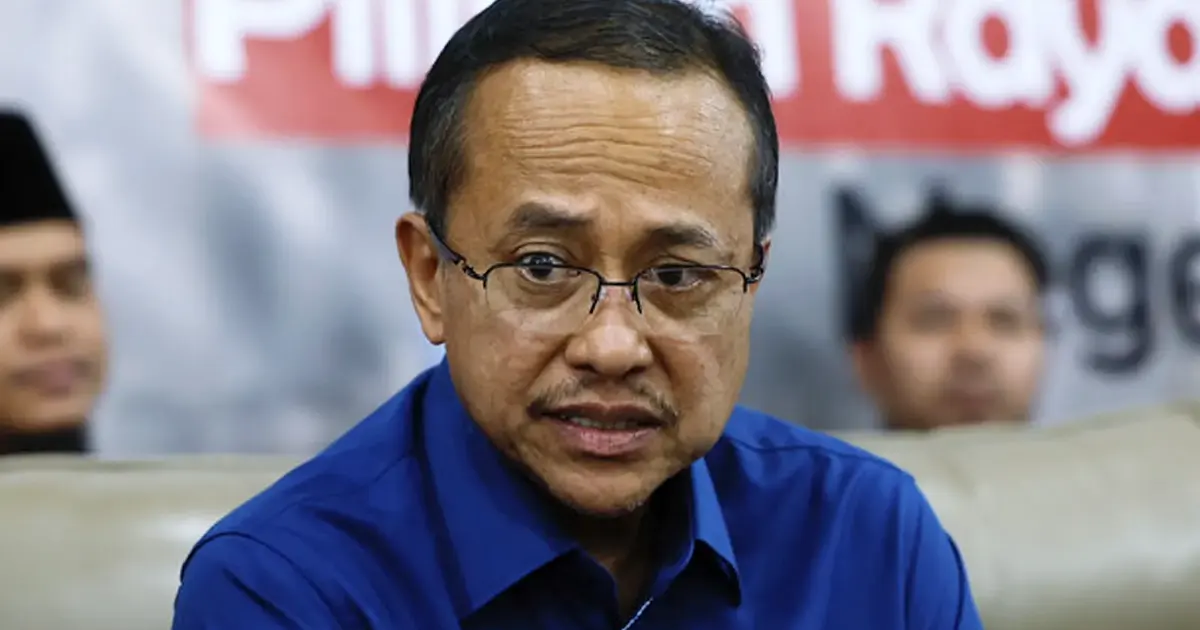
Perikatan Nasional remains cohesive despite both PAS and Bersatu adopting the same party symbol in electoral contests, according to the coalition's chairman. The arrangement, which could appear administratively convoluted to outside observers, has been carefully structured to prevent the internal friction that typically accompanies resource-sharing among political allies.
The dual use of the PN logo reflects a pragmatic approach to coalition management in Malaysian politics, where branding carries substantial weight among voters and party executives alike. Rather than forcing a single partner to abandon its established identity or creating an entirely new symbol, the decision allows both parties to leverage the PN brand's electoral appeal while maintaining distinct organizational hierarchies. This solution preserves each party's autonomy in candidate selection, campaign messaging, and internal governance structures.
The coalition chairman's assertion that confusion can be avoided hinges on a fundamental principle: the two parties operate in geographically and demographically distinct electoral divisions. PAS, the Pan-Malaysian Islamic Party, maintains traditional strongholds in rural and semi-urban areas across the northern and central regions, particularly in states like Kelantan, Terengganu, and Pahang. Bersatu, the Malaysian United Indigenous Party, has concentrated its organizing efforts in different constituencies where it has cultivated support bases among specific voter demographics. By dividing the electoral battlefield in this manner, the coalition minimizes situations where party machinery might work at cross-purposes.
This structural separation reflects lessons learned from previous multi-party coalition experiments in Malaysia. When multiple parties contest the same seats without clear delineation, internal rivalries resurface, campaign resources become duplicated or wastefully dispersed, and voter messaging becomes muddled. The resulting friction can undermine the coalition's broader strategic objectives and create openings for opposition parties to exploit divisions. By explicitly avoiding such overlaps, PAS and Bersatu demonstrate organizational maturity unusual in Southeast Asian political coalitions.
The PN logo itself carries symbolic weight extending beyond mere identification. The coalition was formed following high-profile political realignments in 2020, positioning itself as an alternative to both the longstanding Barisan Nasional and the then-incumbent Pakatan Harapan administrations. The brand carries associations with Islamic governance principles championed by PAS and Bumiputera-focused policies emphasized by Bersatu. Allowing both partners to use this unified symbol enhances each party's claim to the broader coalition's policy platform while avoiding the appearance of competition between partners.
Malaysian voters, particularly in contested regions, have demonstrated sophisticated understanding of multi-party coalition dynamics despite surface-level branding confusion. Campaign volunteers working in constituencies across the country regularly clarify which party they represent within coalition frameworks, and candidates themselves explicitly identify their organizational affiliation to constituents. The digital media environment, where political parties maintain distinct social media identities and candidate profiles, further allows voters to identify with specific parties while engaging with broader coalition messaging.
The viability of this arrangement also depends on maintaining clear internal governance protocols. Coalition leadership structures, resource-allocation mechanisms, and dispute resolution procedures must function efficiently to prevent territorial disputes from escalating into public confrontations. Both PAS and Bersatu have demonstrated sufficient institutional capacity to manage these mechanisms, though continued vigilance remains necessary as electoral seasons intensify and competition for influence within coalitions naturally intensifies.
For Malaysian observers and international analysts monitoring coalition stability, the PN arrangement offers insights into how non-Western political systems adapt to multi-party governance challenges. Rather than pursuing rigid institutional frameworks imported from Western democracies, Malaysian coalition partners develop context-specific solutions reflecting their political cultures, voter expectations, and historical experiences. The PN logo arrangement exemplifies this adaptive approach.
The implications extend beyond internal coalition management. Opposition parties scrutinize such arrangements for signs of weakness or potential fracture. A genuine breakdown in the PAS-Bersatu relationship could reshape the entire political landscape, potentially redistributing parliamentary seats and triggering realignments across the broader political spectrum. Current stability suggests both parties perceive benefits in maintaining PN membership despite occasional tensions inherent in any multi-party framework.
Looking forward, the coalition's ability to sustain this arrangement will depend partly on electoral outcomes. Success in elections using shared branding reinforces the logic of cooperation; disappointing results might prompt parties to reconsider whether separate identities would improve their individual performance. The next major electoral cycle will provide a critical test of whether the PN logo arrangement can continue delivering competitive advantages to both PAS and Bersatu without generating the internal friction the chairman claims does not exist.

