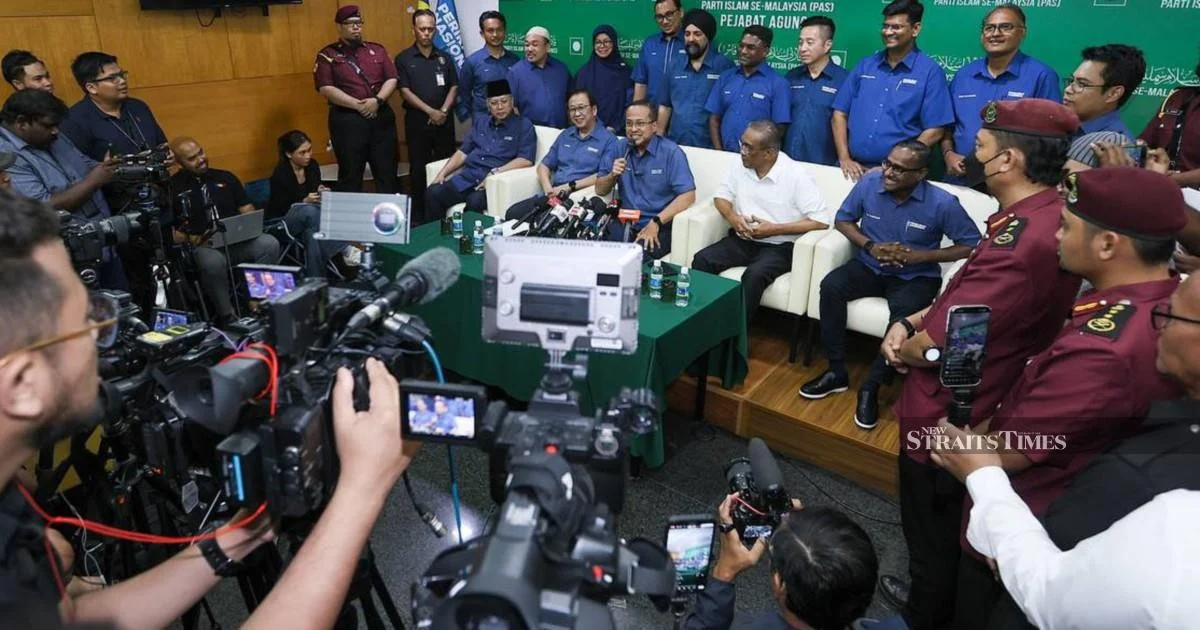
Perikatan Nasional is moving toward a decisive moment in its electoral strategy for Johor, with the coalition convening a special meeting to finalise how state assembly seats will be distributed among its component parties. The session, scheduled for today, represents a culmination of weeks of internal negotiations and represents the most concrete sign yet that the coalition intends to present a united front in the upcoming Johor state election.
The seat allocation process carries significant implications not only for PN's electoral prospects but also for the internal balance of power within the coalition. How seats are divided among parties like Perikatan Nasional's constituent members will telegraph which organisations hold sway within the broader alliance structure, and the decision could influence candidate selection processes that cascade down to individual constituencies.
For Malaysia's broader political landscape, the finalisation of this allocation speaks to PN's determination to maintain coherence as a political entity. The coalition has faced periodic strain in recent months, and successfully concluding seat negotiations demonstrates an ability to manage competing interests and arrive at consensual decisions—a prerequisite for electoral viability against better-established rivals.
Johor represents strategically important terrain in Malaysian politics. The state has long been considered a stronghold for established political forces, and PN's performance there will substantially shape perceptions of the coalition's capacity to translate its national support into ground-level electoral victories. Seat allocation represents merely the preliminary stage; candidate quality and campaign effectiveness will ultimately determine whether the coalition can translate these structural arrangements into actual parliamentary representation.
The timing of today's announcement may also carry tactical significance. By locking in seat arrangements publicly, PN signals to potential supporters and uncommitted voters that the coalition has moved beyond the planning phase and is entering active campaign mode. This psychological messaging often influences voter perception of a party's organisation and readiness.
For Malaysian voters in Johor, the seat allocation mechanics may seem arcane, yet they fundamentally shape electoral choices available on polling day. Which candidate appears on the ballot in each constituency flows directly from today's internal decisions, meaning this behind-the-scenes negotiation ultimately determines the range of options available to constituents who wish to support PN's broader political platform.
The coalition's ability to navigate these internal negotiations without public acrimony or leaks speaks to improved communication channels among PN's leadership. Previous coalition efforts in Malaysia have foundered partly because component parties engaged in damaging public disputes over seat distribution, undermining voter confidence in the alliance's durability and competence.
From a Southeast Asian perspective, Malaysia's internal coalition politics merit attention. The region contains numerous emerging political alliances, and PN's experience in managing multi-party negotiations could offer lessons—either positive or cautionary—for politicians elsewhere in Southeast Asia attempting to forge similar arrangements.
The Johor election assumes added weight because state-level contests frequently serve as electoral laboratories where national coalitions test messaging, campaign tactics, and organisational capacity before larger federal contests. PN's performance in Johor will inform not only that state's political trajectory but potentially shape the coalition's approach to nationwide campaigns.
With seat allocation now approaching completion, PN faces the equally demanding challenge of fielding candidates capable of winning these allocated seats. Quality of candidates often matters more than structural arrangements; even optimal seat allocation means little if voters find candidates unconvincing or untrustworthy. The coalition will need to demonstrate that it has identified capable individuals willing to represent constituencies and articulate PN's political message persuasively.
Observers across Malaysia's political spectrum will watch today's announcement carefully for signals regarding PN's internal hierarchy and decision-making processes. How different constituent parties fared in seat negotiations may indicate which voices carry greatest influence within the coalition leadership, potentially influencing how party members perceive their respective positions within the broader alliance structure.