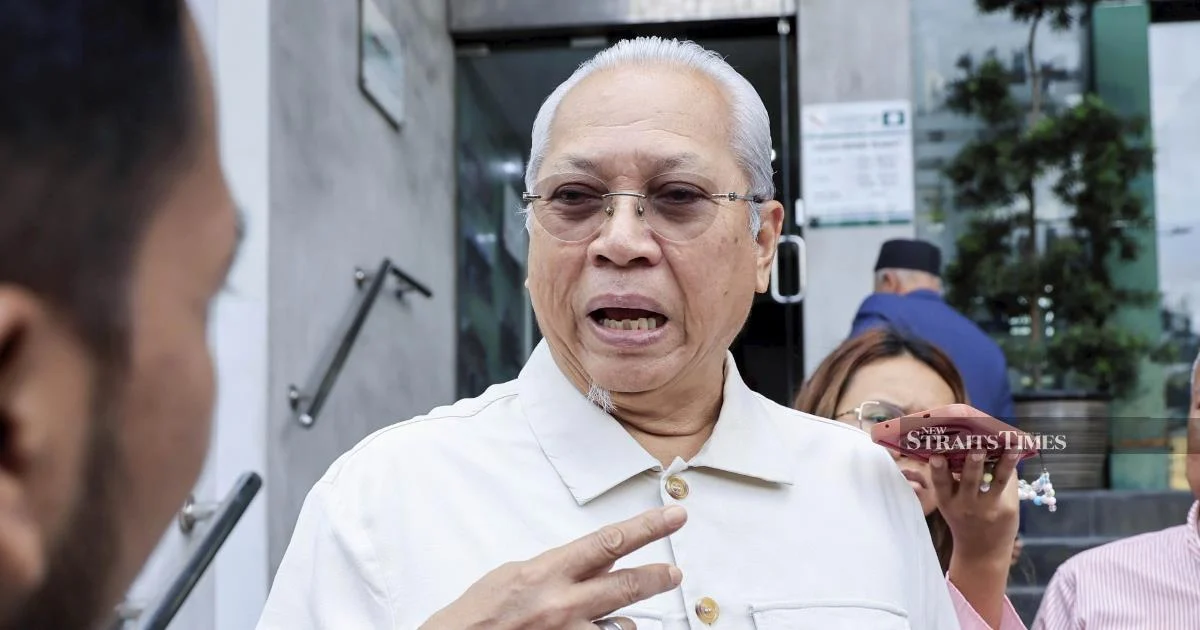
Coalition leaders from Perikatan Nasional departed talks at PAS headquarters in Kuala Lumpur on a constructive note, with multiple figures conveying satisfaction over the settlement of contentious seat arrangements for the upcoming Johor elections. The mood surrounding the conclusion of discussions suggested the multi-party alliance had navigated what could have been a divisive process without visible acrimony, a noteworthy outcome for a bloc that has faced internal tensions over candidate selection in previous electoral cycles.
Seat allocation has historically proved one of the most delicate challenges for Malaysian political coalitions, as each constituent party seeks to maximise its representation while maintaining overall coalition strength. The Perikatan Nasional arrangement, which encompasses parties with distinct voter bases and regional strongholds, requires careful calibration to ensure member organisations feel adequately represented without fragmenting the wider alliance. Success in concluding these talks without public disputes signals negotiators managed competing demands with sufficient flexibility to reach consensus.
For observers tracking Malaysian coalition politics, the apparent smoothness of this negotiation process reflects several underlying dynamics. The Perikatan Nasional partnership, despite encompassing ideologically diverse members, has built institutional mechanisms for dispute resolution refined through previous electoral contests. Leadership continuity within the coalition's constituent parties has also helped, as established relationships between senior figures facilitate negotiation of contentious matters through established back-channels rather than public confrontation.
The Johor elections represent a significant test for the Perikatan Nasional coalition's competitive positioning in a state that has historically wielded considerable political weight within Malaysia's federal equation. Control of Johor's state assembly carries implications beyond state-level governance, influencing the broader balance of power in national parliament. Accordingly, seat allocation decisions made in these negotiations will shape not only individual party fortunes but also the coalition's overall electoral prospects in a contest where victory margins could prove decisive.
For Malaysian voters in Johor, the coalition's internal harmony on candidate selection matters carries practical consequences. An internally cohesive Perikatan Nasional campaign organisation can more effectively mobilise resources and messaging across the state, whereas fractious coalition dynamics tend to dilute electoral messaging and create openings for opposition parties. The apparent resolution of seat disputes without visible rancour suggests voters can expect a more unified coalition campaign effort rather than being exposed to public quarrels between supposed coalition partners.
The negotiation framework that produced this outcome likely involved trade-offs across multiple dimensions beyond simple seat counts. Winning candidate positions, candidate quality rankings, and strategic deployment of senior party figures across different constituencies probably formed part of broader package arrangements designed to satisfy competing interests. Such multi-dimensional negotiations prove more sustainable than zero-sum seat counting because they create multiple satisfaction vectors across the coalition membership.
Regional context matters significantly for understanding why these negotiations could proceed relatively smoothly. Johor's political landscape presents both opportunities and constraints that coalition members broadly recognise as affecting their collective interests. When electoral mathematics favour the coalition across most constituencies, seat negotiations become exercises in reasonable distribution rather than desperate competition. Conversely, if Johor presented a scenario where coalition parties faced existential electoral challenges, the intensity of seat negotiations would likely intensify considerably.
The leadership's public optimism upon departing talks should not obscure the reality that seat allocation typically involves disappointed figures within losing candidate pools. Internal party politics often generate frustration when aspirants miss out on winnable positions, and such discontent tends to emerge in delayed fashion rather than immediately following negotiations. The true test of coalition stability will emerge as campaign proceedings unfold and internal party dynamics surface public tensions, should they exist.
For the broader Malaysian political landscape, smooth Perikatan Nasional coalition-building matters because competing blocs face different internal cohesion challenges. Organisational efficiency in managing coalition mechanics translates directly into campaign effectiveness, resource deployment capabilities, and ultimately electoral performance. Coalition partners that solve internal coordination problems successfully gain significant competitive advantages over rivals struggling with parallel challenges.
The precedent set by apparently cordial conclusion of Johor seat talks could influence subsequent state-level negotiations within Perikatan Nasional, potentially establishing templates for resolving seat disputes with minimal acrimony. Alternatively, if Johor's negotiations prove exceptional rather than representative, future coalition negotiations may revert to more contentious patterns. Coalition success ultimately depends less on isolated smooth negotiations and more on consistently navigating recurring disputes across multiple state elections and extended timeframes.
Moving forward, political observers will monitor whether this harmonious conclusion translates into cohesive campaign execution and electoral success. Coalition unity appears manageable at negotiation stage, but sustained coordination through intense campaigning and post-election government formation represents substantially greater challenges. The upbeat departure from PAS headquarters reflects a successful milestone, but the coalition's trajectory remains subject to numerous factors beyond seat allocation decisions.