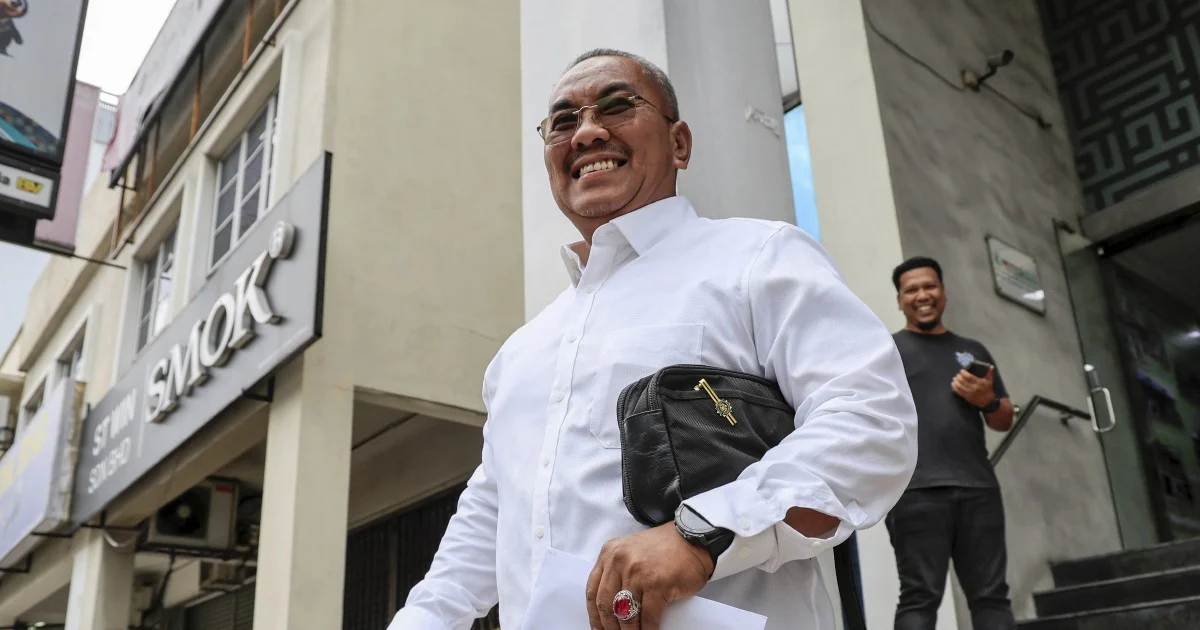
Perikatan Nasional has successfully concluded seat negotiations for the Johor state election, marking a significant milestone in the coalition's electoral preparations. Datuk Seri Sanusi Md Nor, the election director for the opposition alliance, announced the completion of discussions among the bloc's component parties, signalling that internal disagreements over candidate placements have been ironed out after protracted deliberations.
The resolution of 34 overlapping seats represents a substantial portion of contested positions that threatened to derail the coalition's unified campaign strategy. These overlapping claims—where multiple parties within PN sought to contest the same legislative seat—had previously posed challenges to coalition cohesion. The successful negotiation process demonstrates the political maturity of PN's member parties and their commitment to presenting a consolidated front against the incumbent state government.
For Malaysian political observers, the completion of seat negotiations carries particular significance in the context of Perikatan Nasional's ongoing repositioning within the national political landscape. Since the coalition's formation and subsequent performance in the 2022 general election, maintaining internal discipline and preventing fragmentation has been crucial to its credibility as a viable alternative administration. The Johor election serves as a critical test case for PN's ability to manage the competing interests of parties with divergent agendas and support bases.
The timing of this announcement also reflects the accelerating pace of election preparations. With seat allocations now finalised, component parties can mobilise their grassroots machinery and concentrate resources on campaign activities rather than internal wrangling. This operational efficiency provides PN with tactical advantages in the ground game, particularly in reaching voters in both urban constituencies and rural heartlands where party structure and ground presence determine electoral outcomes.
Johor's political significance transcends the state itself. As Malaysia's second-largest state by population and a critical economic region, its election result carries implications for national political trends. The state has historically alternated between opposition and government control, and Perikatan Nasional views the upcoming election as an opportunity to strengthen its parliamentary representation and enhance its claims to national relevance. A strong showing in Johor would bolster the coalition's positioning ahead of potential future national elections.
The resolution of seat disputes also reveals important details about coalition mathematics within PN. The number and distribution of the 34 contested seats would indicate which parties hold disproportionate influence in negotiations and which have accepted reduced allocations. These internal power dynamics, though not immediately visible to the public, shape the coalition's future trajectory and the relative fortunes of individual member parties like PAS, Bersatu, and other components.
However, the successful conclusion of seat negotiations does not automatically guarantee electoral success. Perikatan Nasional now faces the more demanding challenge of translating institutional unity into voter support. In Johor, the ruling coalition—which typically commands substantial resources and incumbency advantages—will mount a formidable defence. The state's electorate has become increasingly sophisticated and volatile, with swing voters making decisions based on local governance performance, economic conditions, and national political trends rather than solely on party loyalty.
The announcement by Sanusi Md Nor comes at a juncture when Malaysian politics remains fluid and uncertain. The federal government's stability continues to dominate national discourse, and state elections serve as barometers of shifting public sentiment. Johor's voters will be assessing not only the competing visions offered by PN and the ruling coalition, but also the credibility and competence demonstrated by each bloc's candidates and their track records in public service.
For constituencies across Johor, finalised seat allocations mean that campaign activities can now proceed in earnest. Candidates can begin intensive engagement with voters, articulate their positions on local issues ranging from infrastructure development to public services, and build personal political brands within their constituencies. The groundwork of coalition building now transitions into the more visible and dramatic phase of electoral competition.
The successful negotiation also carries lessons for Malaysian political coalitions more broadly. Managing diverse parties with overlapping support bases while maintaining coherent policy positions and campaign messaging requires sophisticated coordination mechanisms. Perikatan Nasional's demonstration of this capability—at least on the technical matter of seat allocation—suggests that opposition coalitions can function effectively if component parties recognise their mutual dependence and prioritise collective interests over individual advantage.
Moving forward, attention will focus on whether Perikatan Nasional can sustain this unity throughout the campaign period and translate it into electoral gains. The resolution of contested seats was a necessary precondition for presenting a credible challenge, but it alone does not determine outcomes. Success will depend on effective campaign execution, compelling messaging resonant with Johor voters, and the broader political environment as election day approaches.