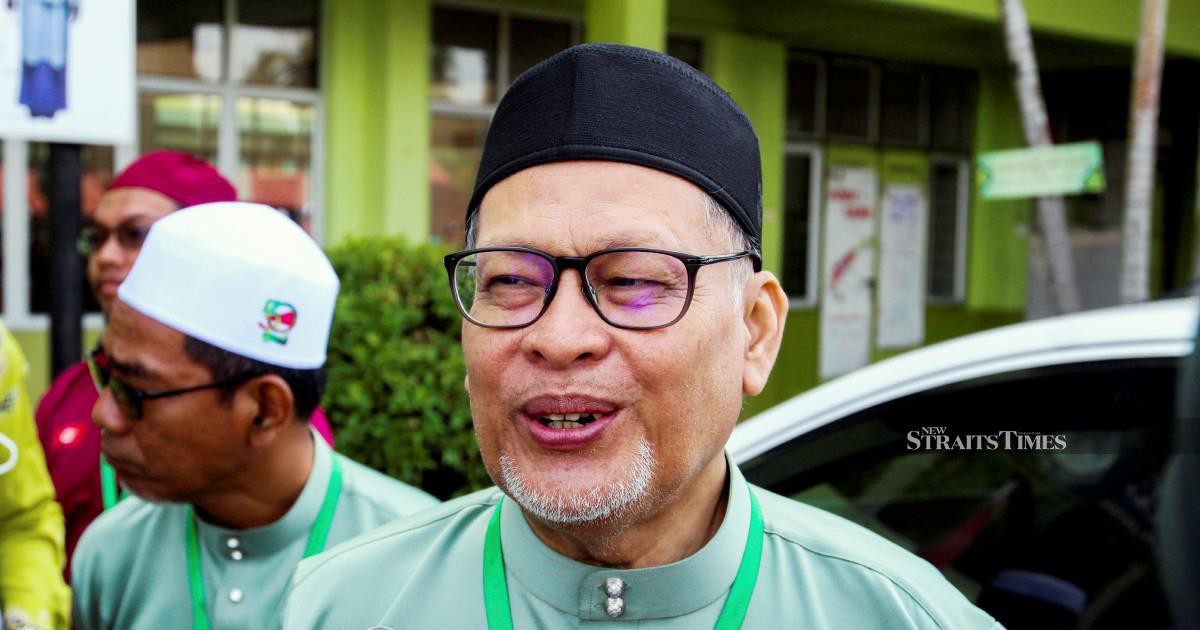
The Islamic party Pas is banking on a significant electoral boost in the upcoming Negri Sembilan state polls, targeting an unprecedented clean sweep across all five constituencies it is fielding candidates in. This optimism stems directly from a newly forged understanding between the Perikatan Nasional coalition, of which Pas is a core member, and the long-established Barisan Nasional partnership, creating what analysts view as a substantial realignment of Malaysia's fractured political landscape.
The strategic accord between PN and BN represents a departure from the increasingly fragmented nature of Malaysian politics, where competing coalitions have historically divided voter bases and weakened overall campaign effectiveness. For Pas, this arrangement removes a critical source of electoral friction that has plagued its ambitions in previous contests. The party leadership, speaking from its headquarters in Kota Baru, articulated confidence that this cooperation would translate directly into voter support in the Negri Sembilan constituencies where it is contesting.
Negri Sembilan has traditionally been a mixed political battleground, with both urban and rural demographics requiring distinct messaging strategies. The five seats Pas is targeting likely represent areas where the party believes it holds demographic or ground advantages, whether through existing support networks or religious and social constituencies that respond to its messaging. The party's decision to contest exactly five seats—rather than attempting a broader sweep—suggests strategic targeting based on internal polling and ground assessments of where resources can be most effectively deployed.
The PN-BN understanding effectively eliminates the scenario of direct competition between these two major coalitions in the Negri Sembilan contest. For voters aligned with either coalition, this creates a clearer choice landscape and reduces the historical phenomenon of split votes across fragmented options. This is particularly significant in state elections, where lower voter turnout and localized dynamics often play outsized roles in determining outcomes. In constituencies where Pas and other PN allies face competition from BN parties, this arrangement should prevent the classic split-vote scenario that has benefited opposition forces in recent Malaysian electoral contests.
The timing of this understanding is strategically significant. State elections in Malaysia have assumed heightened importance as a barometer of shifting political sentiment ahead of potential federal elections. Negri Sembilan, while smaller than peninsular megastates like Selangor or Johor, nonetheless carries symbolic weight and could provide momentum for either coalition depending on the results. A strong showing for Pas and its PN partners would validate the coalition's continued viability and appeal beyond its traditional strongholds in the northeastern states.
For Pas specifically, success in Negri Sembilan would represent territorial expansion and proof of the party's capacity to compete effectively beyond its historical power bases. The party has experienced fluctuating fortunes in recent years, facing challenges from within PN—most notably the periodic tensions with other Malay-based parties—and external pressure from Barisan Nasional's incumbency advantages in many states. A sweep in these five constituencies would counter narratives of Pas political decline and energise internal party morale at a critical juncture.
The broader coalition dynamics at play here reflect Malaysia's post-2018 political complexity, where no single coalition commands overwhelming dominance and state-level arrangements often differ from federal alignments. The PN-BN understanding in Negri Sembilan could serve as a template for other state contests, or conversely, it could remain an isolated arrangement responding to specific local conditions. Either outcome carries implications for Malaysian political stability and the trajectory of power consolidation following the 2023 federal election.
For voters in Negri Sembilan, this arrangement means clearer coalition identities and potentially more straightforward voting choices. Those inclined toward PN-BN can support candidates across multiple parties aligned with this understanding without fear of vote-splitting diluting results. Meanwhile, opposition forces—presumably Pakatan Harapan—would need to mount campaigns despite facing a unified coalition front, a considerably more daunting task in state-level contests where local incumbency advantages often prove decisive.
The confidence expressed by Pas leadership reflects both the mathematical advantage conferred by coalition cooperation and internal party assessments of ground sentiment in their contested constituencies. However, translating confidence into votes requires effective campaign execution, local grassroots mobilisation, and sustained messaging discipline through polling day. The party faces the ongoing challenge of maintaining its coalition's internal cohesion while simultaneously persuading non-aligned voters to support its candidates.
Financial and organisational resources will be critical. The PN-BN understanding likely includes coordinated campaign support, voter mobilisation networks, and media amplification benefits that individually party campaigns would struggle to achieve. For Pas, access to BN's formidable machinery in certain areas, combined with PN's existing ground networks, creates a cumulative advantage that could indeed translate confidence into electoral dividends.
The Negri Sembilan election results will offer valuable insights into the durability of this PN-BN arrangement and the broader direction of Malaysian political coalitions. If Pas achieves its targeted sweep, it would signal that Malay and Muslim voters respond positively to coalition cooperation and that Pas retains competitive capacity across diverse constituencies. Conversely, underperformance would raise questions about the actual impact of coalition arrangements on voter behaviour and the continuing fragmentation of Malaysian electoral politics across ideological and ethnic lines.

