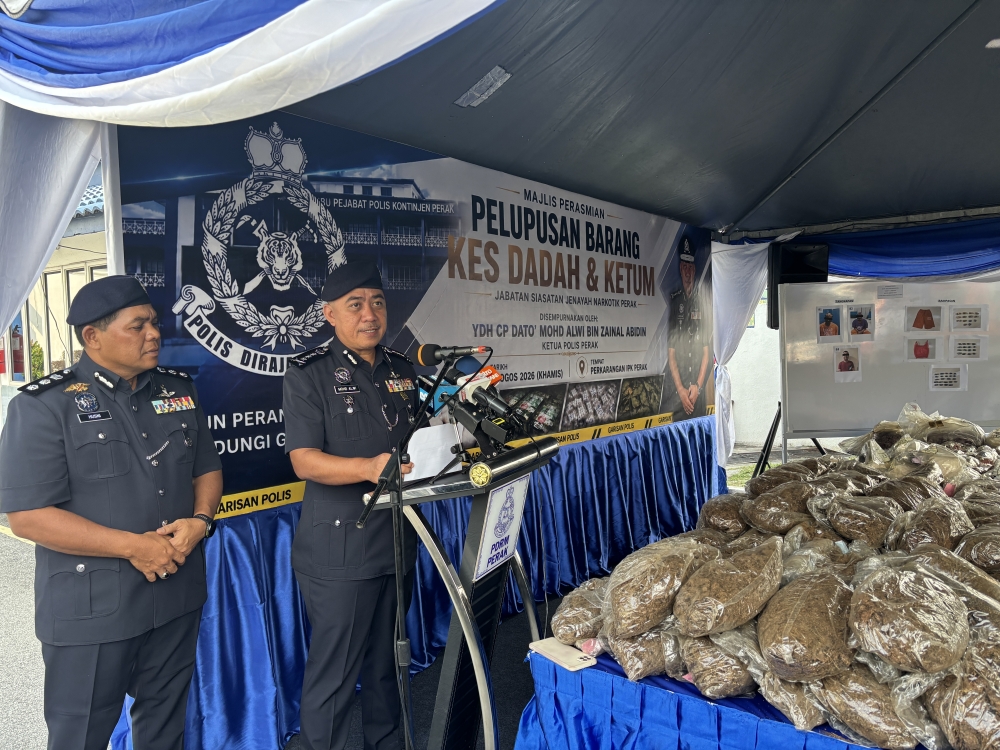
Perak Royal Malaysian Police have commenced a formal investigation into allegations of sexual harassment directed at the chief executive of Perak Kaya Negeri Perak (PKNPk), a state-owned enterprise. The police inquiry, which began in Ipoh, is examining the nature and veracity of the claims while also scrutinising whether defamatory statements have been made in the course of these allegations. The opening of this investigation marks an escalation in what appears to be an internal governance matter affecting one of Perak's key commercial institutions.
The decision to probe the matter reflects the seriousness with which authorities are treating the allegations, particularly given the public profile of the accused individual and the prominence of the organisation involved. PKNPk operates as a significant economic engine within Perak state, involved in business development, entrepreneurship support, and economic diversification initiatives. Any misconduct allegations against senior leadership at such an entity warrant formal scrutiny to protect both the institution's integrity and the interests of stakeholders, employees, and the public.
Allegations of sexual harassment in the workplace have become an increasingly prominent issue across Malaysia's corporate and public sectors. Such claims not only affect the individuals directly involved but also carry broader implications for workplace culture, institutional credibility, and the implementation of protective mechanisms designed to safeguard employees. The fact that this investigation involves a state-owned enterprise underscores the particular importance of maintaining rigorous standards of conduct and accountability within government-linked entities that operate with public resources and mandates.
The investigation's focus on defamation elements is noteworthy, as it suggests that both the substance of the harassment allegations and the manner in which they have been communicated are under examination. This dual investigative approach is common in cases where allegations are made public, as authorities must determine not only whether misconduct occurred but also whether the process of disclosure itself involved unlawful or defamatory statements. This is a delicate balance, as robust whistleblowing and internal complaint mechanisms must be protected while simultaneously preventing malicious falsehoods from damaging reputations.
For Malaysia's broader corporate governance landscape, this investigation serves as a reminder of the evolving expectations around institutional accountability. State-owned enterprises are increasingly subject to greater scrutiny regarding their internal management practices, particularly around human resources policies and the treatment of employees. The incident highlights the necessity for PKNPk and similar organisations to maintain transparent, independent mechanisms for investigating workplace complaints, thereby reducing the likelihood of matters escalating to police intervention.
The timing and circumstances of how such allegations emerge can significantly influence their credibility and the trajectory of investigations. Police inquiries into workplace harassment typically benefit from comprehensive documentation, witness statements, and contemporaneous records. In cases where allegations have been made through informal channels, social media, or public forums rather than through established complaints procedures, the investigative process becomes more complex and potentially contentious. The Perak police will likely be examining what documentation exists and whether proper internal reporting mechanisms were utilised or bypassed.
From an organisational perspective, such investigations often necessitate immediate review of workplace policies, training protocols, and reporting systems. PKNPk's leadership will need to consider whether existing harassment prevention and response frameworks are adequate, accessible to employees, and genuinely protective of complainants from retaliation. This is particularly important in hierarchical organisations where junior staff members may feel vulnerable when lodging complaints against senior executives. The presence of third-party complaint mechanisms and confidentiality protections can be critical in encouraging legitimate reporting and preventing false accusations.
Regional context matters significantly here. Southeast Asian nations, including Malaysia, have witnessed increasing consciousness around workplace dignity and gender-based harassment, driven by growing civil society activism, international pressure, and evolving corporate standards. Multinational companies and progressive Malaysian enterprises have begun implementing more stringent policies and training programmes. However, implementation remains uneven across state-owned enterprises and smaller businesses. This investigation may prompt broader dialogue about standardising harassment prevention practices across Perak's public sector institutions.
The investigation also raises questions about due process and the rights of the accused individual. While allegations of serious misconduct must be taken seriously and investigated thoroughly, those accused also merit fair treatment, adequate opportunity to respond, and protection from prejudicial publicity. Police investigations must adhere to established legal procedures and evidence standards, distinguishing between unsubstantiated claims and substantiated wrongdoing. The outcome of this investigation will therefore have significant consequences not only for the accused individual and the complainant but also for establishing precedents regarding how such matters are handled within state institutions.
Stakeholders monitoring this case will likely include Perak state government officials, other government-linked companies concerned about governance implications, employee representatives, and civil society organisations focused on workplace rights. The investigation's findings will be closely watched as an indicator of whether public institutions in Perak are capable of addressing internal misconduct effectively and impartially. Should the allegations prove substantiated, it would underscore the importance of robust accountability mechanisms; should they prove baseless, it would highlight risks of reputational damage from unsubstantiated claims.
The broader implications extend to how Malaysian organisations at all levels establish and maintain workplace cultures where harassment is neither tolerated nor ignored. This investigation, while focused on specific allegations against one individual, contributes to a larger national conversation about institutional responsibility, employee protection, and the mechanisms through which workplace misconduct is addressed. The police investigation provides a formal, external review process that may ultimately strengthen confidence in the handling of such sensitive matters.

