Penang's education system stands ready to transition to home-based teaching and learning, locally known as PdPR, whenever the Air Pollutant Index climbs to 200 due to regional haze, the state education department announced this week. The decision reflects growing concerns about air quality affecting student safety during the monsoon season, a recurring challenge for northern Malaysian states that frequently bear the brunt of transboundary pollution from Indonesian wildfires.
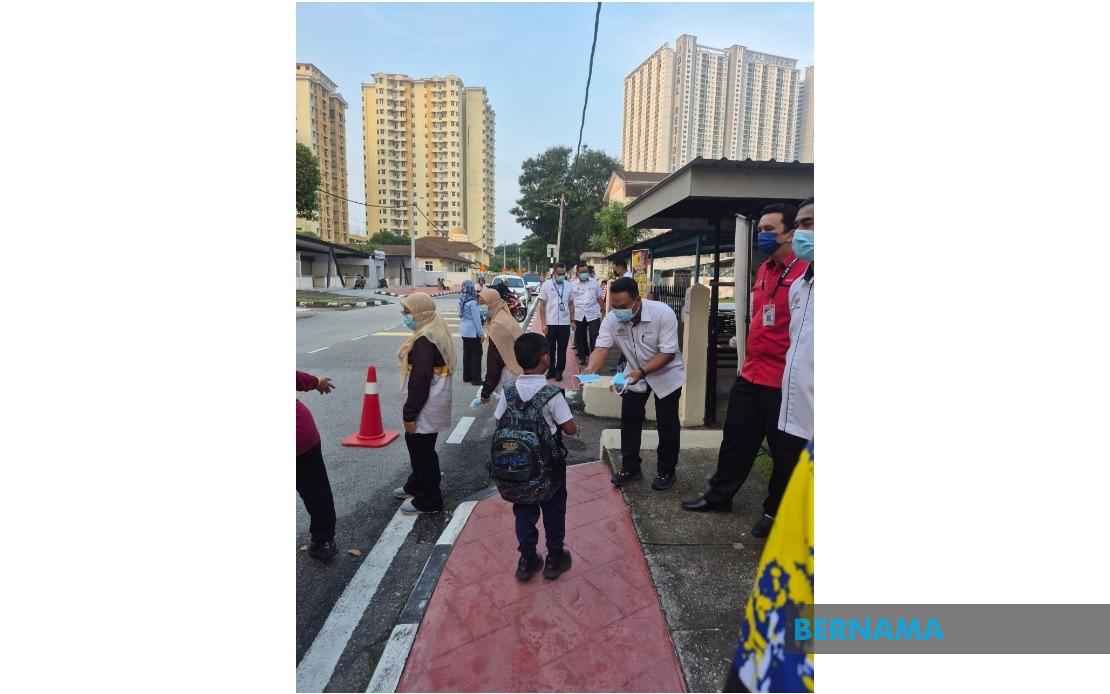
Director Mohamad Dziauddin Mat Saad outlined the protocol during an inspection of haze preparedness measures at Sekolah Kebangsaan Sungai Gelugor in George Town. His department will work within guidelines jointly developed by the Ministry of Education, Ministry of Health, and National Disaster Management Agency—a coordinated framework designed to standardise responses across all states. This alignment ensures consistency in how schools nationwide address air quality emergencies, preventing the confusion that characterised earlier haze episodes when responses varied significantly between states.
The monitoring system reflects lessons learned from previous haze seasons when last-minute announcements disrupted school operations. Penang Education Department will assess air quality readings from four strategically positioned monitoring stations—Minden, Balik Pulau, Seberang Jaya, and Perai—at either 6 pm or 8 pm each evening. This advance assessment allows the department to issue decisions for the following day with sufficient notice, enabling families to arrange childcare and allowing educators to prepare online lesson materials. Schools will receive information through district education offices, which cascade notifications to individual institutions in a structured process designed to minimise confusion.
To manage this expanded responsibility, JPNPP established a dedicated operations centre on August 13 tasked with continuous haze monitoring and rapid decision-making. The centre functions as a command hub receiving real-time API data and coordinating responses across Penang's education network. This proactive infrastructure represents a significant shift from reactive crisis management to anticipatory governance—an approach particularly valuable in Southeast Asia where seasonal haze has become increasingly predictable yet variable in severity.
School administrators and parents have been assured that student welfare remains paramount in all decisions. The department emphasised that announcements will not be delayed, and families requiring advance notice for work arrangements can access information through multiple channels. Special attention has been directed toward students with respiratory conditions, with schools asked to ensure these vulnerable learners have necessary medications available and understand symptom management during poor air quality periods.
The haze preparations have taken on additional urgency given several major youth events scheduled for late August. The Malaysia Schools Sports Council Football Championship and the 15th Malaysian Scout Jamboree both commence on August 28, bringing thousands of young athletes and international scouts to Penang. These events normally proceed without disruption, but organisers are now developing contingency plans should air quality deteriorate significantly.
For the football championship, flexibility has become the watchword. Rather than cancelling matches outright if API readings spike, organisers are exploring schedule adjustments based on daily air quality patterns. Where morning hours typically show lower pollution levels than afternoons, matches might be scheduled for earlier time slots. This pragmatic approach balances competitive integrity with health protection—a necessary compromise when hosting outdoor events in regions susceptible to seasonal air quality variations.
The Malaysian Scout Jamboree presents a more complex challenge, hosting over 5,000 domestic scouts alongside 450 international participants from eleven countries including South Korea, Indonesia, Singapore, and Sri Lanka. Prime Minister Datuk Seri Anwar Ibrahim is scheduled to officiate the opening ceremony on August 29, elevating the event's national significance. The national scouting organisation has established its own operations room to monitor haze conditions throughout the jamboree period and implement protective measures as needed, whether reducing outdoor activities or providing additional medical support.
These precautions underscore how haze has evolved from an occasional nuisance into a structural planning constraint for Malaysian institutions. Schools, sports bodies, and youth organisations now incorporate air quality protocols into event scheduling and emergency procedures. For families across Penang and neighbouring states, haze season has shifted from a temporary inconvenience to a predictable disruption requiring advance preparation and adaptive strategies.
The regional dimension remains significant. Transboundary haze originating from Indonesian land clearance creates diplomatic sensitivity, with Malaysia having limited direct control over pollution sources. Consequently, domestic planning focuses on damage mitigation rather than prevention—establishing monitoring systems, issuing timely warnings, and implementing protective measures. This reactive posture, while essential for protecting citizens during hazardous periods, highlights Southeast Asia's ongoing vulnerability to environmental challenges that transcend national boundaries and demand coordinated multilateral responses.
As climate patterns intensify extreme weather episodes, Malaysia's experience managing haze provides valuable lessons for regional neighbours similarly affected by transboundary pollution. The systems Penang has developed—from dedicated monitoring centres to contingency protocols for major events—represent adaptive governance approaches increasingly relevant across Southeast Asia as environmental challenges grow more severe and frequent.

