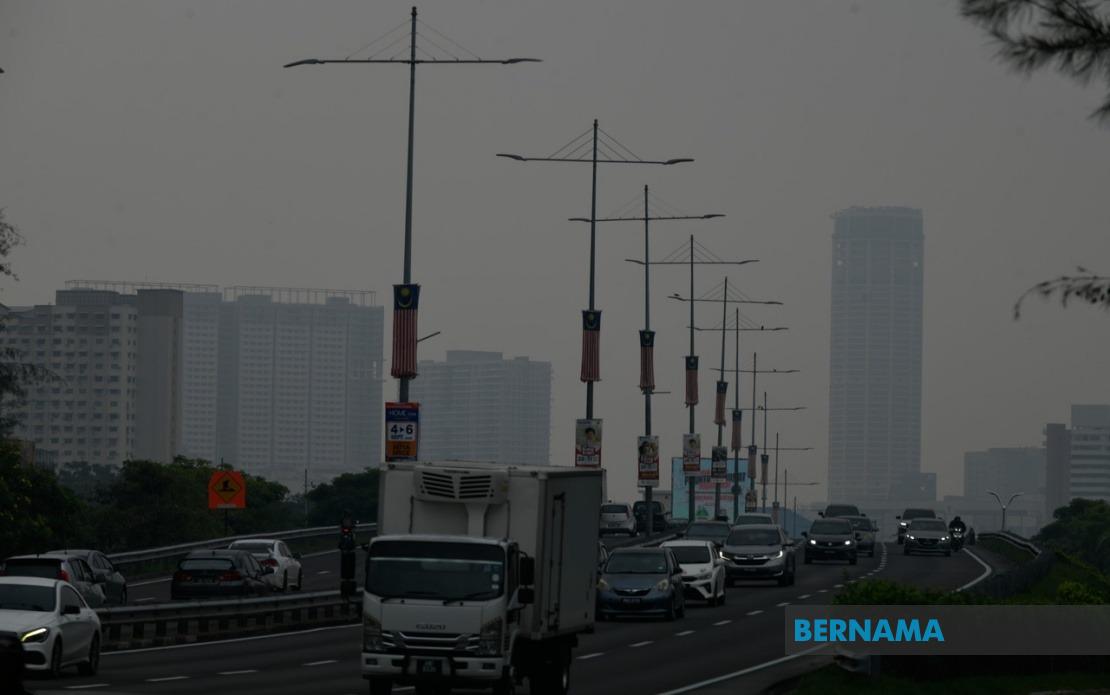
The Penang Education Department has mobilised schools across the state to heighten their response mechanisms in anticipation of deteriorating air quality, directing all District Education Offices and individual institutions to strengthen protocols protecting students and staff from haze-related health risks. The directive comes as atmospheric pollution levels continue their seasonal upswing, with monitoring systems tracking real-time developments across Penang's administrative divisions to enable swift response at both school and state coordination levels.
Education authorities have established a tiered alert system keyed to the Air Pollutant Index, creating clear operational benchmarks for institutional decision-making. Schools are now required to cease all exterior recreational and athletic programming once API readings breach the 100 threshold, a measure designed to minimise respiratory exposure during moderate pollution episodes. This preventive approach reflects growing recognition within Malaysia's education sector that cumulative air quality episodes, particularly during peak burning seasons affecting the region, necessitate institutional disruption to safeguard vulnerable populations including young children and immunocompromised individuals.
The escalation protocol becomes more stringent at higher pollution levels. Educational facilities must implement immediate closure procedures should API readings surpass 200, effectively suspending on-campus instructional activities and transitioning to alternative learning arrangements where feasible. At the most severe tier, when API readings exceed 500, neither teaching staff nor implementing personnel are obligated to report to their stations, acknowledging that such extreme atmospheric conditions pose unacceptable occupational health hazards even for adults. This graduated response framework balances educational continuity against public health imperatives, though it raises questions about equitable access to remote learning infrastructure across Penang's socioeconomically diverse school populations.
Beyond activity restrictions, the education department has mandated comprehensive welfare measures addressing immediate student needs during haze episodes. Schools must guarantee adequate supplies of potable water accessible throughout facilities, recognising that increased hydration becomes physiologically necessary during air quality crises when particulate matter stresses respiratory and circulatory systems. Educational staff have been instructed to actively promote water consumption among their charges, moving beyond passive availability to encourage healthy fluid intake patterns. Simultaneously, institutions must strategically reduce children's exposure to outdoor air during operational hours, requiring careful coordination of break times, ventilation protocols, and facility management to create safer indoor microclimates.
The department has flagged particular vulnerability among student populations with pre-existing health conditions or acute illness presentations, directing staff to provide heightened observation and appropriate medical support. Face mask distribution and usage, while not mandated, have been actively encouraged for both student and staff populations where contextually suitable, acknowledging emerging evidence regarding particulate filtration benefits during high-pollution episodes. These layered protective measures reflect a sophisticated understanding that haze impacts manifest differently across individuals based on age, respiratory fitness, and underlying medical status, requiring differentiated institutional responses rather than uniform school-wide policies.
Crucially, the education department has embedded accountability mechanisms requiring schools to report their implementation efforts and observed outcomes to relevant District Education Offices and the state-level department. This reporting requirement facilitates real-time coordination of haze response activities across Penang's educational network, enabling authorities to identify emerging problems, share effective practices between institutions, and adjust state-level guidance based on ground-level experience. The communication infrastructure essentially transforms individual school responses into a coordinated system-wide resilience framework, though compliance consistency likely varies significantly between well-resourced urban institutions and under-staffed rural facilities.
The directive gained urgency following environmental monitoring data indicating that twenty-nine locations nationwide had recorded unhealthy API readings by afternoon assessments, including three Penang areas: Minden, Seberang Perai, and Balik Pulau. These geographical hotspots of elevated pollution highlight Penang's vulnerability to transboundary atmospheric pollution phenomena that typically originate from agricultural burning in neighbouring regions. The state's peninsular geography and prevailing wind patterns create particular susceptibility to degraded air quality during peak burning seasons, making Penang a consistent focal point for national haze response coordination.
For Malaysian parents and educators, these protocols represent an acknowledgment that climate patterns and regional land-use practices create predictable but disruptive threats to educational normalcy. The tiered closure framework, while operationally clear, creates uncertainty for working families attempting to arrange childcare during unexpected school shutdowns, particularly those without flexible employment circumstances or reliable family support networks. Educational equity concerns arise from variable access to remote learning infrastructure, with disadvantaged students potentially experiencing greater cumulative learning disruption during haze seasons compared to their more privileged peers.
The education sector's formalised response also underscores broader governance challenges surrounding transboundary pollution sources. While Penang schools can implement internal protective measures and closure protocols, addressing the root atmospheric causes requires regional coordination on agricultural practices and land-use policies across multiple Southeast Asian jurisdictions. The predictable recurrence of haze episodes suggests that education systems should move beyond reactive crisis management toward integrated planning incorporating haze-adjusted academic calendars and infrastructure investments in air-filtration systems for schools located in chronically affected zones.
Moving forward, education authorities might consider developing haze preparedness roadmaps encompassing facility infrastructure upgrades, remote learning capacity expansion, and community communication strategies that provide families advance notice of anticipated closure scenarios. Enhanced coordination with health authorities could facilitate rapid medical response capacity within schools during acute pollution episodes affecting vulnerable students. These institutional adaptations acknowledge that Southeast Asian education systems must now contend with atmospheric hazards as persistent operational constraints rather than occasional disruptions.

