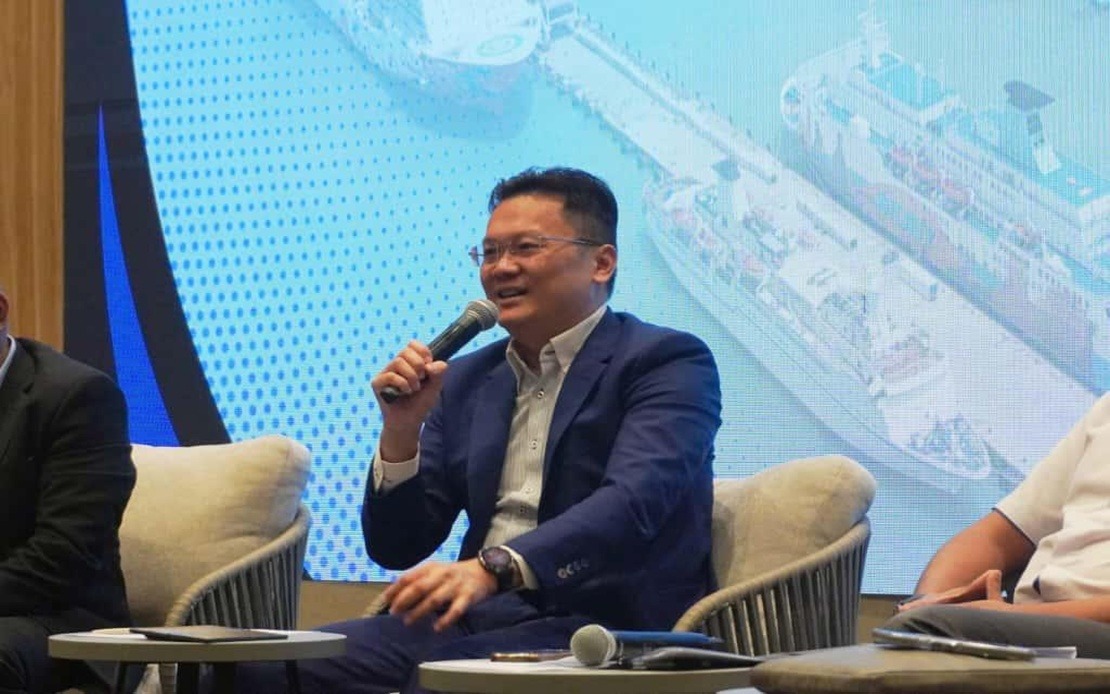
The Penang Port Commission has formally introduced a comprehensive Standard Operating Procedure governing the handling of ship-generated waste across all port terminals, marking a significant step toward operationalising its environmental commitments. The move reflects a strategic pivot by Malaysia's second-busiest container port towards stricter regulatory oversight of maritime waste streams, aligning port operations with national sustainability targets and international maritime conventions. According to Datuk Yeoh Soon Hin, the Commission's chairman, the new framework ensures that waste management activities meet both legal requirements and environmental best practices, creating uniform standards that eliminate operational inconsistencies across different terminal operators.
The introduction of these protocols directly supports Transport Minister Anthony Loke's stated Green Port aspiration, which seeks to reduce carbon footprints and environmental risks at Malaysia's major maritime hubs. For port stakeholders, including shipping companies, terminal operators, and waste management firms, the new SOP represents both an operational requirement and a framework for demonstrating environmental responsibility to increasingly conscious consumers and investors. The timing is significant, as regional ports compete for high-value cargo and sustainability certifications that influence shipping lines' routing decisions.
Under the new framework, all waste management companies seeking to operate within Penang Port's jurisdiction must navigate a multi-agency approval process. Beyond securing a valid licence directly from the Port Commission, operators must obtain clearances from the Department of Environment, the National Water Services Commission (SPAN), the Royal Malaysian Customs Department, and relevant local authorities. This layered approval mechanism, while potentially administratively burdensome, creates accountability checkpoints designed to prevent unscrupulous operators from entering the waste management supply chain and creating environmental liability downstream.
The SOP categorises maritime waste into three distinct streams: scheduled waste originating from ship operations, domestic waste including dunnage and general refuse, and sewage waste generated aboard vessels. This classification reflects international maritime waste management protocols and ensures that different waste types receive appropriate treatment pathways. Scheduled waste, which may include hazardous materials from engine rooms and cargo spaces, requires particular scrutiny, as improper handling poses risks of environmental contamination and human health hazards. By establishing clear categorical boundaries, the Commission creates transparency regarding waste volumes and enables targeted monitoring of high-risk streams.
Licensed operators now bear comprehensive responsibility for ensuring that all waste handling activities comply with stipulated conditions and occur safely and systematically. This shift toward operational accountability represents a departure from earlier frameworks that may have distributed responsibility ambiguously. Operators must document waste quantities in coordination with vessels and submit disposal or discharge notes to both the Port Commission and relevant government agencies upon completing operations. This documentation requirement creates an auditable trail that discourages underreporting and provides regulators with data for identifying trends, evaluating compliance, and refining future policy.
The verification requirement represents a critical control mechanism, as it obligates operators to independently confirm waste volumes reported by ships rather than accepting declarations at face value. This dual-verification approach reduces the likelihood of undeclared waste entering informal disposal channels, a practice that has historically plagued regional ports. By linking waste quantity confirmation to post-operation reporting, the framework creates continuity in tracking from the point of generation through final disposal, addressing a vulnerability in earlier management approaches.
Yeoh emphasised that the Commission would maintain ongoing vigilance through regular inspections and audits, using compliance monitoring to identify operational gaps and enforce adherence to regulatory standards. This enforcement commitment signals to the maritime industry that environmental compliance constitutes a genuine operational expectation rather than aspirational rhetoric. The emphasis on continuous improvement through technology adoption and best-practice sharing suggests that the Commission views waste management not merely as a compliance burden but as an opportunity for operational innovation that could reduce costs while advancing environmental objectives.
For Malaysia's shipping sector and regional trade, these developments carry broader implications. Penang Port's implementation of stringent waste protocols may influence practices at competing ports and could establish baseline standards that other Malaysian maritime facilities adopt. As global shipping increasingly faces pressure from environmental regulations—including International Maritime Organization standards on ship-generated waste—ports that demonstrate proactive compliance gain competitive advantages in attracting quality shipping lines. Conversely, ports perceived as lax in environmental oversight risk becoming destinations of convenience for operators seeking to avoid stricter requirements elsewhere.
The policy also reflects changing consumer and investor expectations regarding supply chain sustainability. Multinational corporations sourcing goods through Southeast Asian ports face mounting pressure from stakeholders to demonstrate that their logistics operations align with environmental commitments. A port that prominently manages ship waste according to transparent standards provides shipper-friendly documentation that supports corporate sustainability narratives. This benefit extends beyond environmental credibility to encompassing risk mitigation, as ports managing waste responsibly reduce exposure to liabilities associated with pollution incidents or regulatory enforcement actions.
Implementing the new SOP will require coordination across multiple stakeholder groups including port authorities, terminal operators, waste management companies, shipping lines, and regulatory agencies. The successful embedding of these procedures depends partly on transparent communication regarding implementation timelines, technical requirements, and compliance expectations. Port users operating under legacy assumptions about waste handling may initially experience procedural friction, particularly if approval processes or reporting requirements diverge from their established practices.
The Penang Port Commission's initiative also signals Malaysia's broader commitment to aligning port operations with regional and global environmental standards. As Southeast Asian economies expand maritime trade and port capacity, establishing robust environmental management frameworks early becomes more cost-effective than retrofitting standards into mature operations. The visibility of Penang Port's waste management improvements may encourage peer ports to undertake similar assessments and upgrades, potentially elevating environmental performance across the Malaysian port system.
Looking forward, the Commission's stated intention to encourage technology adoption and best-practice sharing suggests openness to evolving the SOP as maritime waste management innovation advances. Digital tracking systems, waste-to-energy technologies, and circular economy initiatives that transform waste into useful products could increasingly integrate into port operations. By establishing a flexible regulatory framework grounded in clear environmental objectives rather than prescriptive technical mandates, the Commission creates space for operator innovation while maintaining accountability for environmental outcomes.

