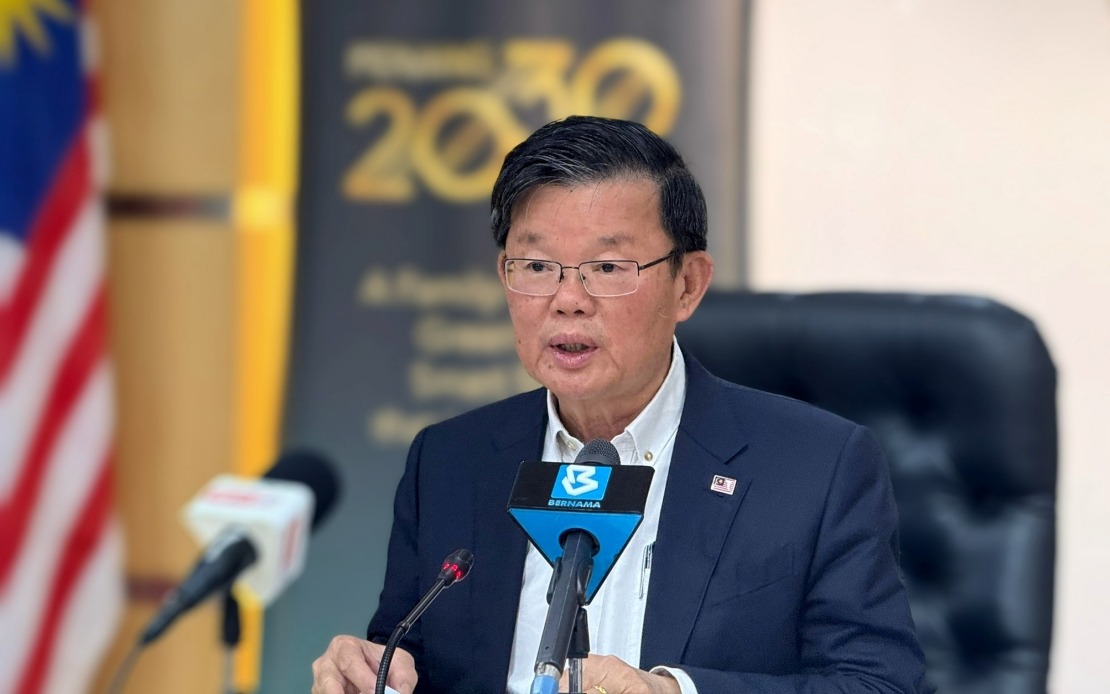
Penang's Pakatan Harapan coalition is embarking on a systematic overhaul of its electoral strategy, with all party subcommittees instructed to hold meetings and deliver detailed progress assessments by early August. The directive comes from coalition chairman Chow Kon Yeow, who simultaneously serves as Penang Chief Minister, and represents a deliberate effort to tighten organisational structures ahead of the next general election.
The timing of this strategic refresh reflects the coalition's determination to maintain voter confidence after the successful 2023 state elections, where PH and Barisan Nasional jointly captured 29 of 40 parliamentary seats. That result cemented a governing arrangement that has now been formalised as the Unity Government, though questions about its long-term durability persist across Malaysia's fractious political landscape.
Chow's announcement emphasises a multi-faceted review process that extends beyond simple performance metrics. The coalition intends to conduct comprehensive analyses across various operational dimensions, identifying areas where performance has lagged and capitalising on existing competitive advantages. This granular approach suggests recognition that electoral victories require more than momentum—they demand systematic attention to grassroots organisation, messaging coherence, and strategic positioning relative to competing coalitions.
The explicitly open invitation for external feedback represents a notable strategic choice. By welcoming suggestions from party members and the broader political ecosystem, Penang PH is signalling confidence in its foundation while simultaneously acknowledging that constructive criticism can refine decision-making. In Malaysian politics, where internal party cohesion often determines electoral outcomes, this posture of receptiveness may strengthen morale and demonstrate inclusive leadership to potential supporters.
The stability assertions regarding the Unity Government carry particular significance for Malaysian observers tracking federal-level political developments. Chow's statement that component parties continue collaborating without friction, with no party pursuing unilateral directional changes, provides reassurance to voters and investors concerned about governmental continuity. In a federation where coalition management has proven perpetually challenging, maintaining smooth inter-party coordination in Penang represents a notable achievement and potential model for replication elsewhere.
The 2023 Penang election results underscored DAP's dominance within the coalition, with the party winning all 19 contested seats while PKR secured seven and Amanah one. Barisan Nasional's modest two-seat outcome highlighted the limited electoral competitiveness of traditional opposition forces in the state, yet their inclusion in the governing coalition signals pragmatic power-sharing rather than winner-take-all governance. This arrangement necessarily requires careful management to prevent resentment among coalition partners, making Chow's emphasis on smooth cooperation particularly important.
For Malaysian readers assessing broader political trajectories, Penang's strategic recalibration offers insights into how established coalitions prepare for electoral competition. The peninsula's political dynamics increasingly centre on alternating power arrangements, with the 2023 federal election demonstrating voters' willingness to switch allegiances based on perceived performance and governance quality. Penang's methodical approach to election readiness—systematic review, stakeholder consultation, and transparent communication—contrasts with more reactive political postures seen elsewhere.
The early August reporting deadline imposes meaningful discipline on coalition structures. By requiring formal presentation of progress assessments, the leadership creates accountability mechanisms that discourage complacency and ensure systematic attention to weaknesses. In Malaysian political contexts where institutional discipline often determines electoral competitiveness, such procedural requirements carry substantive significance beyond their administrative appearance.
Regional implications warrant consideration as well. Penang's economic prominence and demographic diversity make it a bellwether state for Malaysian politics. Coalition arrangements and electoral outcomes in the state frequently foreshadow federal-level developments, particularly regarding DAP's political trajectory and the viability of multiracial governing coalitions. The PH leadership's demonstrated commitment to strategic refinement may influence confidence calculations among other state-level administrators evaluating coalition sustainability and electoral prospects.
The coalition's simultaneous emphasis on addressing weaknesses while strengthening existing advantages reflects sophisticated electoral thinking. Rather than adopting wholesale organisational overhaul, Penang PH pursues targeted improvement grounded in analytical assessment. This calibrated approach acknowledges that effective governance and electoral success depend partly on institutional continuity and partly on responsive adaptation to changing circumstances.
Moving forward, the substance of the August progress reports will reveal whether Penang PH's strategic review produces meaningful operational changes or represents primarily symbolic recommitment to coalition principles. Malaysian political history suggests that formal review processes yield variable results depending on implementation rigour and leadership follow-through. Chow's personal engagement with the process and his position as Chief Minister suggest genuine commitment to translating strategic analysis into institutional change.

