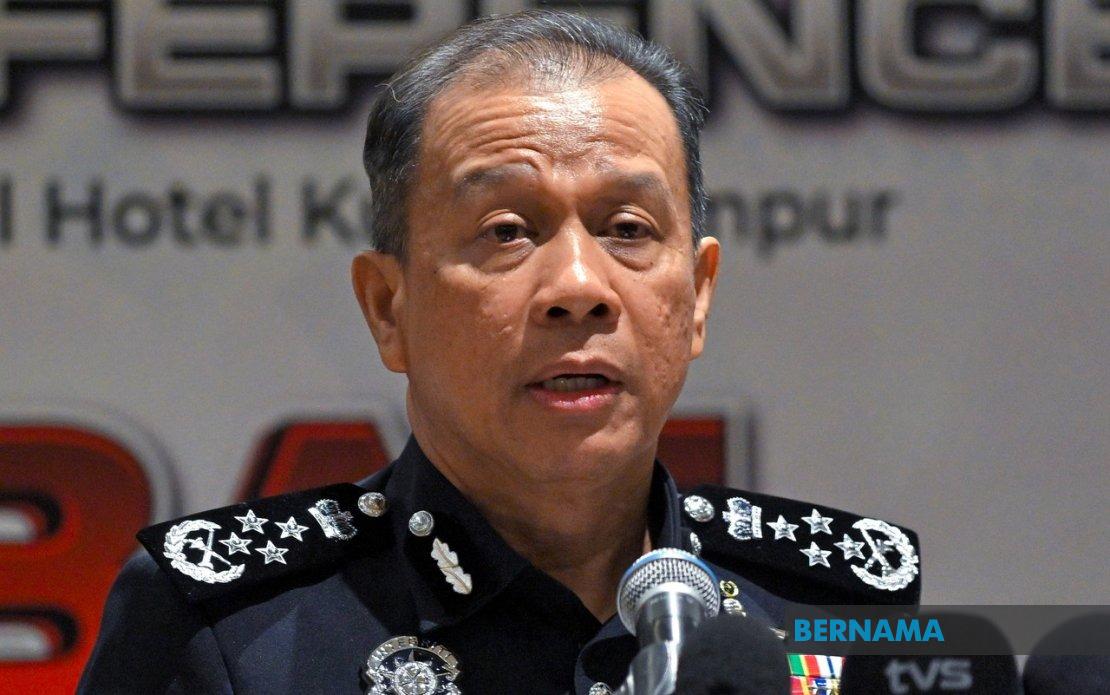
Malaysia's police force is preparing to significantly expand its role in airport security operations, with Inspector-General of Police Tan Sri Mohd Khalid Ismail confirming that the Royal Malaysia Police (PDRM) will work closely with relevant ministries to deploy officers into the Aviation Security (AVSEC) framework. The decision, approved by Cabinet, represents an immediate response to heightened security concerns at the nation's entry and exit points and comes in the wake of a Malaysian pilot's detention in Indonesia on suspicion of drug smuggling through aviation channels.
The Cabinet's directive marks a pivotal shift in how Malaysia approaches aviation security, embedding uniformed police personnel directly within the existing AVSEC infrastructure rather than maintaining separate operational spheres. According to Mohd Khalid's statement, the PDRM is collaborating intensively with the Home Ministry, Ministry of Transport, and other stakeholders to establish the operational framework for this integration. This coordination phase is critical, as it will determine how police resources are allocated, which airports receive priority deployment, and how command structures function across previously distinct organizational hierarchies.
The implementation details underscore the complexity of blending police operations with civilian aviation security protocols. Officials are currently working through multiple layers of consideration, including defining what specific duties police officers will undertake, determining optimal placement locations across Malaysia's airport network, calculating personnel requirements, establishing clear responsibility boundaries, and ensuring seamless coordination between law enforcement and aviation security teams. This meticulous planning phase reflects recognition that poorly integrated security systems can create confusion rather than cohesion during critical incidents.
The PDRM's strategic rationale for this expansion centers on leveraging law enforcement capabilities that civilian security personnel may lack. By positioning police officers within the AVSEC ecosystem, Malaysia aims to enhance intelligence sharing mechanisms, enabling faster detection of suspicious activities and potential threats. The presence of trained police operatives should improve coordination when enforcement action becomes necessary and facilitate rapid response to criminal activity or security breaches. This layered approach acknowledges that modern aviation threats often require coordinated law enforcement intervention beyond the scope of traditional security screening.
Official statements emphasize that police involvement will complement rather than replace existing security measures. The broader security architecture will continue incorporating access control fortification, enhanced screening procedures, comprehensive security checks, and sophisticated risk assessment protocols. The integration of police intelligence and enforcement capability represents one component of a multi-faceted defense strategy designed to identify vulnerabilities before they can be exploited by criminal organizations or other malevolent actors seeking to abuse aviation infrastructure and procedures.
The timing of this initiative reflects genuine security concerns within Malaysia's aviation sector. The detention of a Malaysian pilot in Indonesia on drug smuggling allegations highlighted how criminal networks may exploit aviation personnel and facilities for contraband movement. Such incidents expose gaps in current security frameworks and demonstrate that traditional screening alone cannot prevent determined individuals with insider knowledge from attempting to circumvent systems. The government's swift Cabinet decision and commitment to rapid deployment signal recognition that this vulnerability requires urgent attention.
The integrated, intelligence-driven security controls that officials are implementing are intended to strengthen preventive capabilities systematically. Rather than responding reactively to discovered threats, the enhanced framework aims to identify risks earlier through better information sharing, cross-agency analysis, and forward-looking assessment. By closing potential gaps before criminals develop sophisticated exploitation methods, Malaysia can reduce operational opportunities for smuggling networks and other criminal enterprises targeting the aviation sector.
For Malaysia's aviation industry and traveling public, the deployment carries both reassuring and operational implications. The commitment that flight safety and border security will remain paramount provides confidence that security enhancements will not compromise either passenger flow efficiency or fundamental safety protocols. However, the expansion of police presence at airports may affect passenger experiences through potentially more comprehensive screening procedures or enhanced checkpoint monitoring, though officials have not detailed exactly how operational changes will manifest.
Regionally, Malaysia's move reflects broader Southeast Asian concerns about aviation security threats. Several nations in the region have experienced aviation-related security incidents, smuggling activity, and trafficking through airport facilities. Malaysia's decision to deepen police integration into aviation security may influence approaches adopted by neighboring countries, particularly as regional cooperation on aviation security continues to develop. The success or challenges of this model could inform policy discussions across ASEAN nations facing similar security pressures.
The involvement of multiple government ministries and agencies in this initiative underscores recognition that aviation security transcends single-agency responsibility. The Home Ministry's oversight, Ministry of Transport's expertise, PDRM's enforcement capabilities, and AVSEC's specialized knowledge must function cohesively. This whole-of-government approach reflects international best practices in aviation security governance, where effective systems depend on institutional coordination and shared commitment to security objectives across organizational boundaries.
Mohd Khalid's explicit assurance that any attempts to exploit aviation channels for criminal activity will be met with uncompromising law enforcement response sends a clear message to potential offenders. By publicly committing to integrated, intelligence-based security protocols and police involvement, Malaysian authorities are signaling increased risk and consequence for anyone considering aviation-facilitated smuggling or other criminal activity. This deterrent effect, combined with tangible operational improvements, constitutes the dual strategy underlying the security enhancement initiative.
Implementation timelines remain unclear, though the Cabinet's framing of this as an "immediate improvement step" suggests deployment will proceed relatively swiftly rather than extending across years of bureaucratic planning. The PDRM's stated readiness to cooperate fully indicates that institutional resistance from the police force itself is unlikely, with the primary implementation challenges likely residing in the technical and logistical work of integrating disparate organizational systems and establishing operational protocols across Malaysia's multiple international airports.

