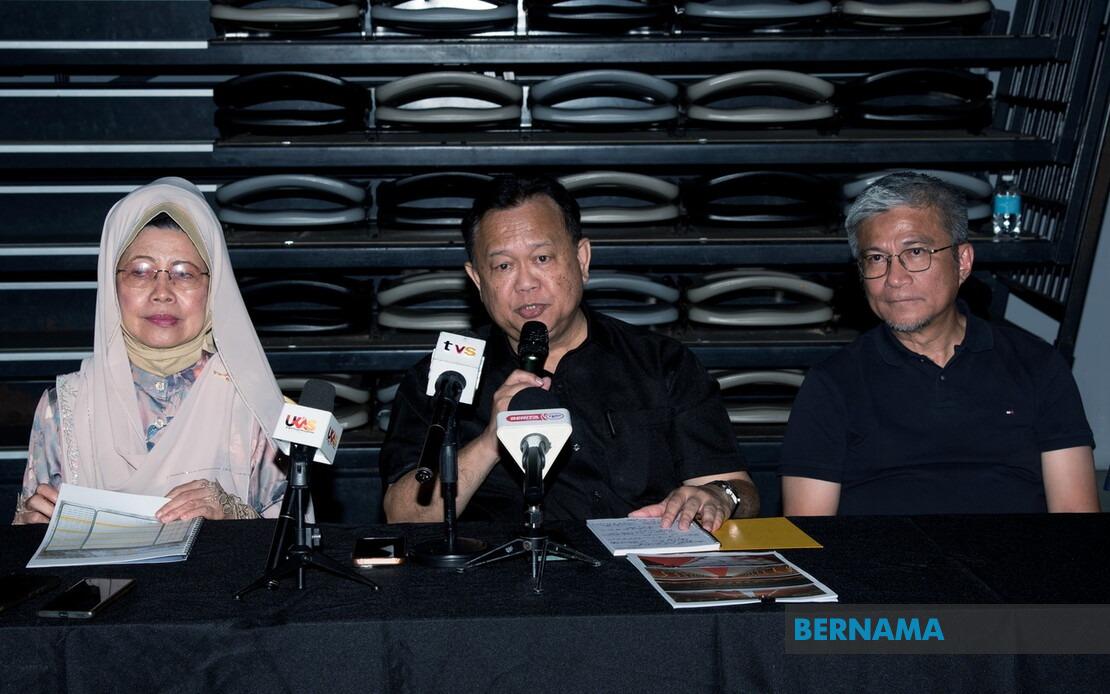
Sarawak's ruling Parti Pesaka Bumiputera Bersatu (PBB) is preparing for a significant gathering as more than 3,000 party delegates from 24 branches converge on Sibu for the Central Zone Special Convention scheduled for July 26 at the Sibu Indoor Stadium. The large-scale event underscores the party's emphasis on consolidating grassroots participation and ensuring party leadership remains closely aligned with branch-level membership across one of Sarawak's most economically vibrant regions.
According to PBB secretary-general Datuk Seri Alexander Nanta Linggi, the Central Zone has been designated as the first of four regional zones to conduct the special convention, with the southern, Betong, and northern zones slated to follow in sequence. This phased approach allows the party to deliver consistent messaging and strategic direction across its organisational structure while accommodating the logistics of hosting large assemblies in different localities. Linggi announced that preparatory efforts are well underway, with the organising committee having convened to finalise arrangements and address potential operational challenges.
The convention agenda reflects contemporary policy priorities facing both Sarawak state and Malaysia as a whole. Among the substantive topics scheduled for presentation and deliberation are provisions within the Malaysia Agreement 1963, the constitutional framework underpinning Sarawak's status within the federation. This focus carries particular resonance in Sarawak's political discourse, where constitutional arrangements and state autonomy remain enduring points of emphasis for regional parties and voters alike. The inclusion of MA63 discussions signals PBB's intention to reinforce its historical role as custodian of Sarawak's constitutional interests.
Equally prominent on the convention programme is the Post COVID-19 Development Strategy 2030, a framework addressing Sarawak's recovery trajectory and medium-term economic positioning. Given the pandemic's pronounced impact on tourism-dependent economies and resource sectors, the PCDS 2030 represents state government efforts to chart a diversified development pathway. By presenting this strategy to party delegates, PBB leadership is framing economic recovery as a collective party concern rather than an administrative exercise confined to government bureaucracies, thereby mobilising party structures around shared developmental objectives.
Sarawak Premier Tan Sri Abang Johari Tun Openg, who holds the concurrent position of PBB president, will formally open the convention and address the assembled delegates. His presence at the apex of both state administration and party hierarchy underscores the seamless integration of governmental and party functions characteristic of Sarawak's political system. The premier's address will likely emphasise party achievements, outline forthcoming policy initiatives, and reinforce party discipline ahead of any prospective electoral cycles.
The deliberate structuring of the convention around substantive policy matters rather than ceremonial proceedings reflects broader changes in how Malaysian political parties engage their membership. Rather than limiting conventions to leadership elections or general resolutions, the inclusion of detailed presentations on constitutional frameworks and development strategies signals an attempt to deepen delegate understanding of complex policy domains. This approach potentially enhances party members' capacity to articulate party positions to constituents and voters in their respective communities.
For Malaysian and Southeast Asian observers, the PBB convention represents a significant gathering within one of Malaysia's largest state-level political organisations. PBB's enduring dominance in Sarawak politics makes its internal deliberations instructive for understanding regional power dynamics and the mechanisms through which major parties maintain organisational cohesion across dispersed geographic areas. The convention's focus on constitutional matters also reflects broader conversations within Malaysian federalism regarding state-centre relations and the distribution of powers between levels of government.
The participation of delegates representing 24 distinct branches demonstrates the extensive geographic and organisational reach PBB maintains throughout the Central Zone. This branching structure enables the party to establish presence across urban and rural areas alike, though maintaining meaningful engagement across such dispersed networks presents ongoing organisational challenges. The convention serves partly as a mechanism for reinvigorating branch-level activism and ensuring that local party organisations remain integrated within broader party strategy and objectives.
The timing of the Central Zone convention, occurring well in advance of any anticipated electoral contests, suggests PBB is undertaking strategic consolidation and forward planning. By convening major party gatherings during non-electoral periods, parties can focus on policy deliberation and organisational matters without the intensity and fragmentation that accompany active campaigning. This measured approach reflects institutional maturity and confidence in the party's political standing within the state.
For Sarawak's political landscape, the convention represents one element of ongoing negotiations and positioning among state-level actors as Malaysia continues grappling with questions of federal governance and regional autonomy. PBB's sustained emphasis on MA63 within party forums underscores its political investment in constitutional matters that resonate deeply with Sarawak voters. The party's ability to mobilise large delegate assemblies around such themes demonstrates its continued organisational capacity and relevance within state politics.
The special convention also reflects broader patterns within Malaysian political party management, where maintaining cohesion across large memberships requires periodic large-scale gatherings that reinforce shared identity and common purpose. For PBB, the Central Zone convention represents an opportunity to demonstrate organisational vitality while simultaneously addressing substantive policy questions that will shape Sarawak's developmental trajectory in coming years.

