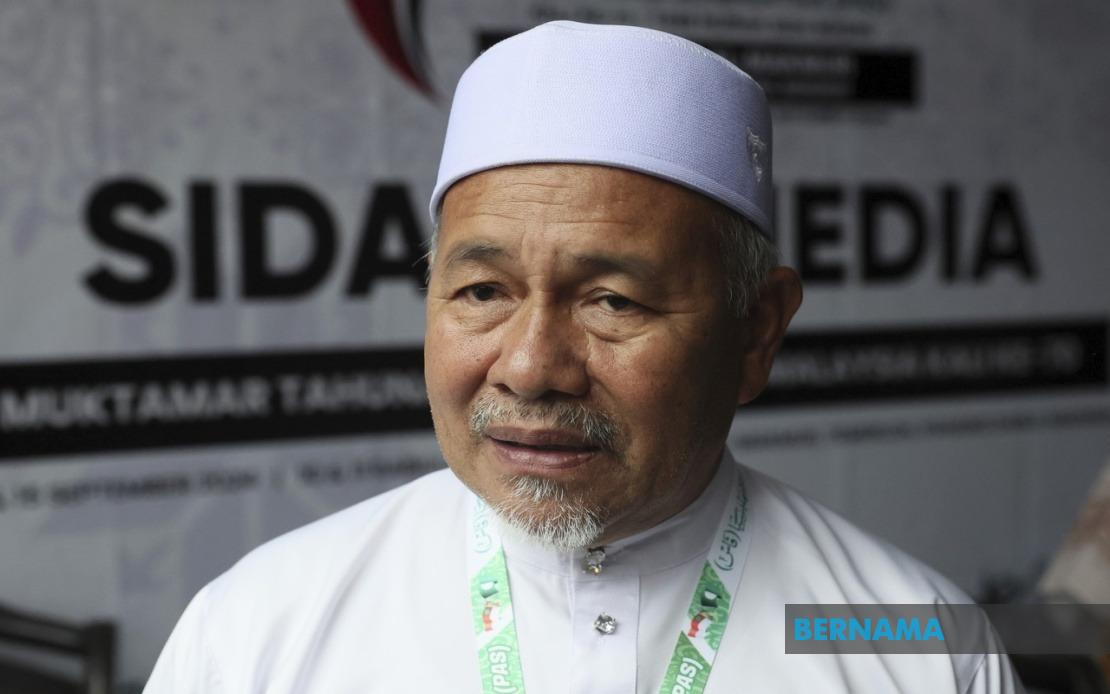
The pressure on Malaysia to secure the prosecution of fugitive businessman Low Taek Jho, better known as Jho Low, intensified on Thursday when senior opposition politician Datuk Seri Tuan Ibrahim Tuan Man declared that the country must proceed with its own legal proceedings against him regardless of decisions made by the United States. Speaking after chairing the Pasir Mas PAS division annual general meeting in Kota Bharu, the PAS deputy president emphasised that Malaysia possesses a fully functional legal system capable of independently determining the fate of cases originating within its borders.
Tuan Ibrahim's remarks come amid international speculation that Jho Low, the central figure in one of the world's largest financial fraud cases, could receive executive clemency from United States President Donald Trump. Media reports from overseas have suggested the fugitive businessman features among approximately 250 individuals under consideration for presidential pardons as the United States marks the 250th anniversary of its independence. The timing of these reports has provoked anxiety among Malaysian policymakers and law enforcement agencies concerned that such an outcome could undermine years of international investigation and prosecution efforts.
The deputy PAS leader stressed that Malaysia, having experienced the most severe economic and reputational damage from Jho Low's alleged misconduct, cannot simply defer to American legal outcomes or diplomatic positions. He contended that the 1Malaysia Development Berhad scandal, which resulted in losses running into tens of billions of ringgit, represents a uniquely Malaysian legal matter that demands resolution through Malaysian courts. This assertion reflects a broader sentiment within Malaysian political circles that foreign decisions, however influential, cannot substitute for domestic accountability.
Calling upon Malaysian authorities to accelerate the extradition process and all related legal procedures, Tuan Ibrahim underscored the importance of moving swiftly to bring Jho Low before a Malaysian court. The emphasis on urgency suggests concern that delays could allow Jho Low to exploit legal technicalities, seek protection through alternative jurisdictions, or benefit from developments in international politics that might complicate his prosecution. Malaysia has pursued Jho Low through multiple legal channels and jurisdictions since his flight from the country in 2015 as investigations into 1MDB intensified.
Prime Minister Datuk Seri Anwar Ibrahim reiterated Malaysia's commitment to legal action against Jho Low on Wednesday, making clear that reported possibilities of an American pardon would not dissuade the Malaysian government from its prosecution objectives. The Prime Minister's public reaffirmation of this position demonstrates coordinated messaging across government concerning the priority assigned to holding Jho Low accountable. This consistency at the highest political level suggests that Malaysia intends to maintain diplomatic pressure and pursue all available legal mechanisms to secure Jho Low's extradition and trial.
The 1MDB scandal has become emblematic of governance failures and financial mismanagement during the previous administration, profoundly affecting Malaysia's international standing and economic reputation. Jho Low allegedly orchestrated the theft of billions of dollars from the development fund through a sophisticated scheme involving offshore accounts, shell companies, and money laundering across multiple countries. The ripple effects extended beyond Malaysia, implicating international financial institutions and prompting regulatory reforms in banking sectors worldwide.
Jho Low's evasion of Malaysian authorities for nearly a decade has generated substantial frustration within government and civil society. His ability to remain at large despite international arrest warrants and cooperation between multiple law enforcement agencies highlights the challenges posed by sophisticated financial crimes and international fugitives who exploit jurisdictional complexities. The case has become a litmus test for Malaysia's willingness to pursue accountability regardless of the international stature or connections of the accused.
The potential for presidential intervention in the United States introduces fresh uncertainty into a case that Malaysian authorities believed was progressing steadily through international legal channels. Trump has previously demonstrated willingness to exercise pardon powers expansively, sometimes controversially, and his administration's stance toward international law enforcement cooperation remains unpredictable. A pardon would represent a significant setback for Malaysia's legal strategy, effectively removing the possibility of American-based prosecution and potentially complicating extradition proceedings through other mechanisms.
Malaysia's insistence on independent prosecution reflects broader principles of national sovereignty and the rights of victim nations to seek justice through their own systems. The assertion that Malaysia need not follow American legal decisions on cases originating from Malaysian misconduct represents a recalibration of how smaller nations relate to superpower legal determinations. This approach, while asserting Malaysian autonomy, also reflects the reality that successful prosecution ultimately depends on locating and apprehending Jho Low, a challenge that transcends rhetoric and requires sustained international cooperation and enforcement capacity.

