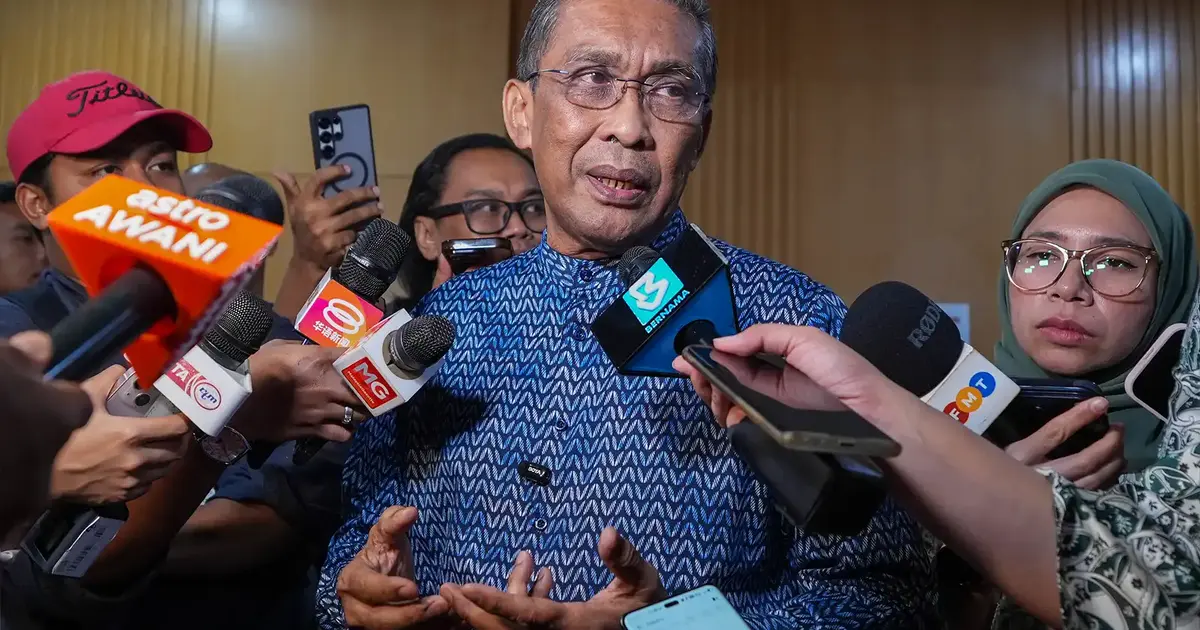
PAS leadership has signalled its intention to formally present a motion concerning cooperation frameworks with Umno when party delegates convene for the muktamar, according to the Islamic party's secretary-general. The announcement reflects ongoing efforts within Malaysia's two largest Islamist parties to consolidate their political positioning ahead of anticipated electoral contests, while also addressing broader questions about Muslim representation in national governance.
The decision to elevate partnership discussions to the muktamar level—where grassroots delegates exercise considerable influence over party direction—suggests that PAS views the cooperation question as sufficiently important to warrant broad-based party endorsement rather than leadership-level decisions alone. This approach aligns with PAS's emphasis on democratic internal processes and reflects the party's recognition that its membership base expects transparency and input on strategic alliances affecting the party's future trajectory.
Muslim unity has been positioned as a central theme alongside the proposed cooperation motion, indicating that PAS frames its Umno engagement within a broader narrative of Islamic interests and community cohesion. This framing carries particular resonance given Malaysia's constitutional status as an Islamic nation and the historical rivalry between the two parties for influence within Malay-Muslim constituencies. By emphasising unity rather than mere political advantage, PAS appears to be constructing a legitimising narrative for any formal partnership arrangements.
The timing of this muktamar discussion occurs within a complex political environment where Umno's position has undergone considerable transformation following internal leadership contests and the party's attempts to rebuild public trust. PAS, meanwhile, has consolidated support in several states and secured ministerial representation at federal level. The motion therefore represents an opportunity for PAS to formalise what has become increasingly pragmatic cooperation, particularly in state governments where both parties govern alongside other coalition partners.
For Malaysian voters and political observers, this development signals potential shifts in how Malay-Muslim interests might be pursued in upcoming electoral cycles. Rather than competing fiercely for identical constituencies, formal cooperation frameworks could reshape political competition along different fault lines, potentially affecting non-Malay and non-Muslim political participation patterns. The manner in which PAS delegates respond to the motion will provide insights into grassroots sentiment regarding partnership with a rival party that many veteran PAS members have historically opposed.
The muktamar provides an instructive case study in how Malaysian political parties balance democratic accountability to members with pragmatic electoral considerations. Party assemblies and conferences typically serve as forums where leadership proposals receive scrutiny from delegates representing diverse regional and ideological perspectives. A motion presented for debate rather than mere information allows for potential amendments, contrary positions, and genuine deliberation—features that distinguish formal party processes from executive decisions made in consultation with select advisors.
Related discussions about Islamic representation and Muslim-majority party cooperation have gained prominence as Malaysian politics navigates questions about religious identity, constitutional provisions, and inclusive governance. The PAS position on Muslim unity reflects broader regional dynamics where Islamic political movements across Southeast Asia grapple with balancing religious commitments against pluralist governance demands and evolving voter expectations. How PAS members engage with these questions at the muktamar will influence the party's strategic direction during a period of potential realignment.
The announcement also carries implications for other political stakeholders observing PAS-Umno dynamics. Partners in existing coalitions will assess what formal cooperation between these two parties might mean for their own political positioning and ministerial stakes. The opposition bloc will likely monitor whether strengthened PAS-Umno coordination affects their prospects in competitive constituencies. International observers tracking Malaysia's political development will note whether increased Islamic party coordination correlates with changes in policy priorities or governance approaches.
Moving forward, the muktamar debate will serve as a barometer for internal PAS sentiment and could establish parameters for how deeply cooperation with Umno might extend across organisational structures, electoral strategies, and policy coordination. The outcomes may shape political dynamics well beyond the immediate party gathering, influencing coalition formations and electoral contests across multiple electoral cycles. Malaysian voters, particularly those in constituencies where both parties compete or govern, should monitor these developments closely as they will ultimately determine the competitive landscape and policy choices available during elections.

