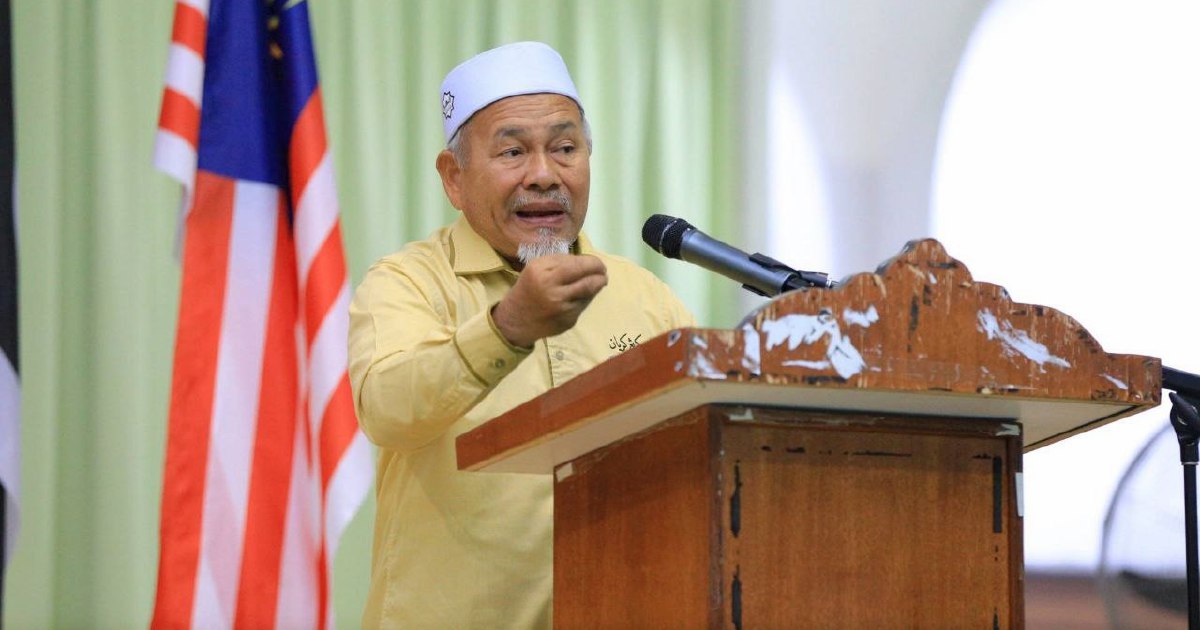
The Islamic Party of Malaysia (PAS) has signalled a readiness to engage in seat-swapping discussions with Umno as the two Barisan Nasional allies prepare for forthcoming general elections. Speaking in Temerloh, Deputy President Datuk Seri Tuan Ibrahim Tuan Man indicated that PAS would be willing to relinquish some of its existing state and parliamentary constituencies to Umno, provided certain strategic conditions were met. This statement represents a notable opening in coalition negotiations and suggests both parties are actively seeking optimal seat arrangements ahead of electoral contests.
The flexibility demonstrated by PAS leadership indicates a pragmatic approach to coalition management within Barisan Nasional. Rather than adopting a rigid stance on retaining all current seats, the party's willingness to consider negotiations reflects an understanding that electoral alliances require give-and-take arrangements. This posture is significant because it demonstrates PAS's commitment to preserving the broader coalition structure, even when it means potentially ceding constituencies where the party currently holds incumbent advantage. The conditions attached to such swaps, however, remain carefully guarded and will likely form the basis of detailed discussions between the parties' leadership.
The timing of this announcement carries considerable weight for Malaysian electoral politics. With nationwide elections looming, both PAS and Umno recognise that strategic seat distribution can substantially impact their combined ability to secure government formation. Umno, as the numerically larger component of Barisan Nasional, has historically sought competitive constituencies to contest, while PAS has built considerable strength particularly in certain states and regions. The dialogue around seat arrangements therefore reflects both parties' assessments of where each can most effectively convert votes into parliamentary representation.
PAS's conditional openness to negotiations also underscores the complex mathematics of Malaysian electoral competition. The party has invested considerable organisational energy in specific constituencies and developed established voter relationships there. Voluntarily ceding such seats involves calculated political risk, as it requires trust that Umno will reciprocate with genuinely competitive positions elsewhere. The conditions PAS has referenced likely relate to ensuring the party receives equally viable constituencies in exchange, preventing any arrangement that would systematically disadvantage its electoral prospects.
For Malaysian voters and political observers, these negotiations highlight the continuing relevance of coalition politics in the country's electoral system. Rather than pursuing a confrontational approach, the two Barisan Nasional components are attempting to maximise their collective electoral return by deploying resources where each party holds strongest advantages. This represents a departure from previous election cycles where intra-coalition tensions occasionally spilled into public disputes. The more collaborative tone now evident suggests matured coalition management and recognition that divided Barisan support would only benefit opposition blocs.
Regional implications extend beyond immediate electoral calculations. Peninsular Malaysia remains the heartland of both PAS and Umno operations, with each party holding particular strength in different geographic zones. The outcome of seat-swap negotiations will significantly influence campaign dynamics across various states, particularly in constituencies where voter demographics and established party bases create marginal contests. Coalition unity in presenting coordinated candidates rather than competing against each other in multiple-candidate situations typically improves overall electoral performance for both parties.
The conditions referenced by Tuan Ibrahim likely extend to more than simple seat-for-seat exchanges. Strategic considerations such as developmental allocation, ministerial representation, and policy influence during government formation probably feature in these broader discussions. PAS would understandably seek assurances that surrendering certain constituencies does not translate into reduced political weight within government structures or policy implementation relevant to Islamic affairs and party-supported initiatives.
Other Barisan Nasional components, particularly those holding federal and state positions, will monitor these PAS-Umno arrangements carefully. Any seat redistribution between the two largest coalition components inevitably affects opportunities for smaller allied parties. The Malaysian Chinese Association and other component parties must adjust their own electoral strategies based on the final seat-allocation outcomes between Umno and PAS. Coalition stability therefore depends on negotiations remaining balanced and perceived as fair across all participating organisations.
The public nature of Tuan Ibrahim's statement serves an additional strategic purpose beyond internal coalition discussion. By openly signalling flexibility, PAS demonstrates political confidence and positions itself as the reasonable coalition partner willing to prioritise collective electoral success over narrow organisational advantage. This messaging resonates with voters concerned about political instability and intra-coalition conflict that undermines governance effectiveness.
From the perspective of ordinary Malaysian voters, these negotiations represent efforts to achieve workable government structures following electoral outcomes. Coalition arrangements determine not just which parties enter government, but their relative influence over policy priorities and ministerial portfolios. PAS's openness to seat discussions thus carries implications for how Islamic affairs, welfare policies, and various developmental initiatives receive government attention in subsequent administrations.
The unfolding seat-swap negotiations will likely accelerate as election dates move closer. Both parties must balance internal party pressures from members holding or seeking these positions with broader coalition imperatives. Tuan Ibrahim's statements have initiated what promises to be detailed, technically complex negotiations involving numerous electoral variables and political considerations. The successful resolution of these discussions may determine whether Barisan Nasional presents a genuinely unified front or allows internal divisions to fragment its electoral challenge.

