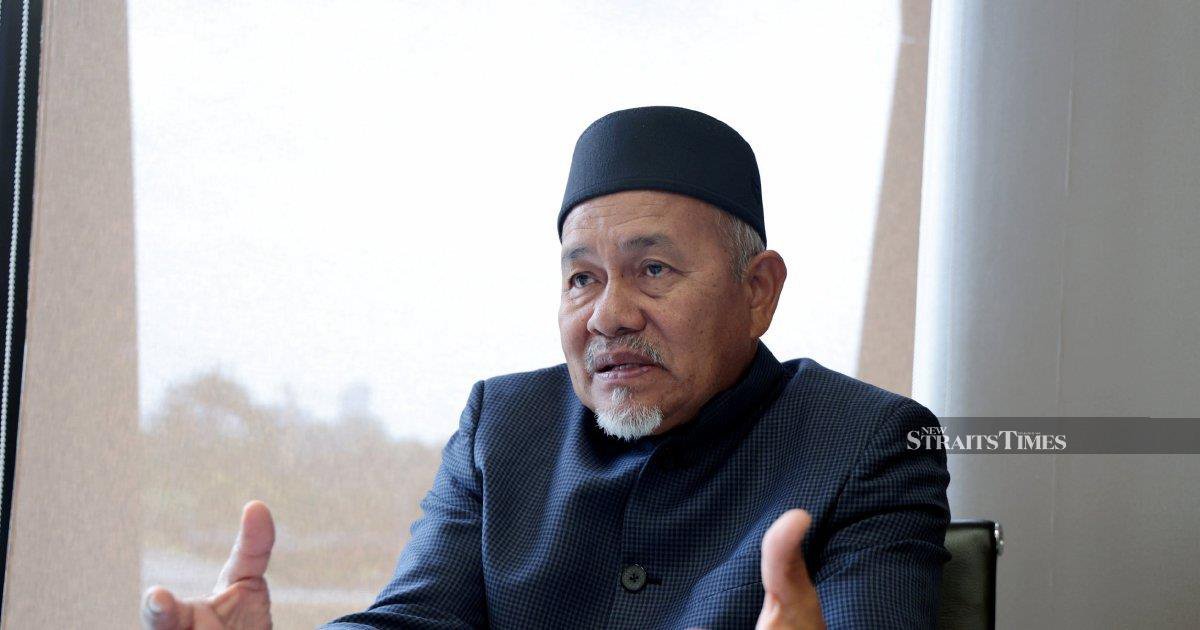
The Islamic party PAS has opened the door to advancing talks on deepening cooperation between the Perikatan Nasional and Barisan Nasional blocs at the national level, suggesting a willingness to explore extending their current working arrangement to additional states and the federal government itself. The statement represents a significant development in Malaysia's evolving political landscape, where coalition-building has become increasingly fluid and context-dependent across different electoral contests and governance levels.
The most immediate focus of PAS's outreach concerns Melaka, where the party has indicated receptiveness to adopting collaborative mechanisms similar to those employed during recent Negri Sembilan electoral activities. This potential expansion would mark a notable shift in how the two broad coalitions navigate state politics, moving beyond the traditional winner-take-all approach that has characterised Malaysian state assembly elections. Such arrangements typically involve seat-sharing, campaign coordination, or mutual support agreements designed to maximise combined electoral performance while maintaining each bloc's distinct identity and organisational autonomy.
Negri Sembilan has served as a testing ground for this cooperative approach, and the relative success or stability of that arrangement appears to have prompted PAS to consider whether the model merits broader application. For Malaysian observers, this willingness to replicate tested political frameworks across different states demonstrates a pragmatic approach to coalition management, where lessons from one electoral contest can inform strategy in others. However, the transferability of such arrangements depends substantially on local political dynamics, demographic composition, and the existing balance of forces within each state.
The openness to national-level discussions is particularly significant, as it signals PAS's comfort with formalising relationships that transcend individual state boundaries. Rather than treating PN and BN cooperation as a series of ad-hoc, localised agreements, elevating talks to the federal tier suggests consideration of a more systematic and institutionalised framework. Such a development would reshape the broader architecture of Malaysian politics, potentially creating new pathways for governance and legislative cooperation that could influence policy-making across numerous portfolios.
For Melaka specifically, the prospect of applying a PN-BN collaborative model holds implications for state administration, resource allocation, and legislative priorities. The state has experienced considerable political turbulence in recent years, with multiple changes in government and shifting alliances. A more stabilised coalition arrangement could provide the institutional predictability that investors, civil servants, and residents have sometimes found lacking. Conversely, formalising cooperation between two major blocs may constrain independent voices and marginalise smaller parties that might otherwise contribute to legislative diversity.
The proposal also carries ramifications for federal-level politics, where PN and BN currently maintain distinct organisational structures and compete directly in numerous constituencies. Extending cooperation to the federal tier could fundamentally alter the dynamics of parliament, legislative committees, and executive-legislative relations. Any such arrangement would need to navigate complex negotiations regarding ministerial portfolios, committee leadership, and policy direction—areas where these two blocs have historically diverged on key issues ranging from religious affairs to economic policy.
From a Southeast Asian perspective, Malaysia's ongoing coalition experimentation reflects broader regional trends where traditional two-bloc politics have become increasingly unstable. Thailand, Indonesia, and the Philippines have all witnessed similar fluidity in political alliances, with parties demonstrating flexibility in forming cross-cutting coalitions based on specific contests or governance periods. Malaysia's trajectory thus resonates with regional patterns of political evolution, though Malaysia's particular combination of ethnic-based parties, Islam-centric formations, and secular nationalist movements creates a unique constellation that other regional democracies do not quite replicate.
PAS's openness to expanded cooperation also reflects calculations regarding its own organisational interests and influence. The party has over recent years strengthened its position in northern Malaysia and among certain demographic segments, making it an increasingly valuable coalition partner. By signalling willingness to extend cooperation, PAS simultaneously enhances its negotiating leverage and positions itself as a pragmatic force willing to prioritise governing outcomes over rigid ideological positioning. This contrasts with periods when PAS adopted more oppositional stances or pursued narrower sectarian agendas.
The practical mechanics of implementing such cooperation would prove challenging, particularly at the federal level where coordination with numerous parliamentary parties and numerous competing interests creates complexity. PAS and BN constituencies frequently overlap or compete directly in many seats, which would necessitate careful demarcation to avoid internal contradictions or signal confusion to voters. Additionally, the respective internal party dynamics within both PN and BN could complicate implementation, as individual component parties might harbour reservations about compromising their autonomy or electoral prospects through formalised arrangements.
Stakeholders including Melaka residents, business communities, and minority groups will likely scrutinise any formal expansion of this cooperation framework to assess whether it advances their interests or concentrates power in ways that limit representation. Transparency regarding decision-making processes and inclusivity of affected communities would become increasingly important if cooperation deepens from informal coordination to institutionalised structures. The track record of previous coalition arrangements in Malaysian history offers both encouraging examples of functional cooperation and cautionary tales of elite bargains that alienated broader publics.
Looking forward, PAS's stance initiates a significant phase in Malaysian coalition politics. Whether these discussions translate into concrete agreements will depend on negotiations among multiple stakeholders, regional considerations, and evolving political calculations. The coming months will reveal whether this openness represents genuine movement toward systematic coalition restructuring or constitutes exploratory positioning without firm commitment to substantive change in Malaysia's political architecture.

