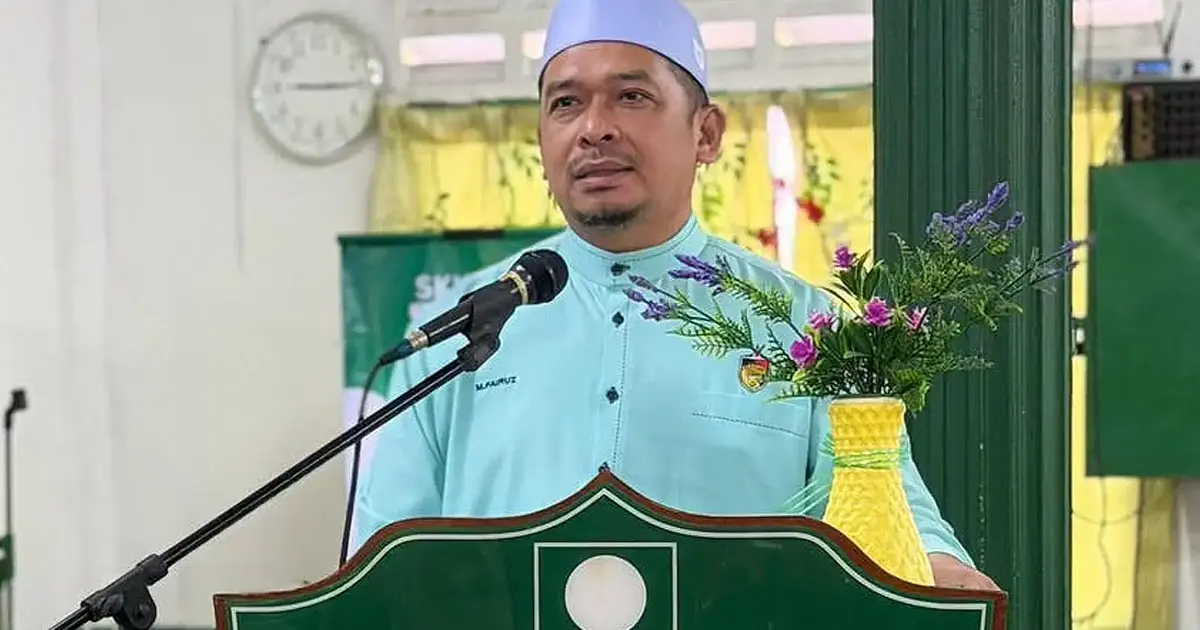
The Democratic Action Party's grip on several constituencies in Negeri Sembilan faces a fresh political challenge as PAS signals its intention to contest seats the opposition party has traditionally dominated. State PAS chief Fairuz Isa outlined the strategy to pursue electoral contests in areas where Malay voters constitute at least 40% of the electorate, suggesting the Islamic party believes it can successfully appeal to these demographics in territories previously considered DAP strongholds.
This repositioning reflects broader shifts within Malaysia's political ecosystem and demonstrates how established electoral boundaries are becoming increasingly fluid. Negeri Sembilan, a state traditionally characterised by three-cornered contests and coalition politics, is experiencing renewed competition as parties recalibrate their appeal to specific voter communities. The PAS approach indicates confidence in mobilising Malay support in constituencies where DAP has maintained electoral dominance despite demographic composition that could theoretically favour an Islamic-oriented political message.
For Malaysian political observers, the development underscores how demographic analysis is shaping electoral strategies at the state level. By identifying constituencies with sufficient Malay representation, PAS is employing a data-driven approach that acknowledges the fragmentation of voter loyalty across ethnic and religious lines. This precision targeting differs markedly from blanket campaigning across entire states, suggesting parties are becoming increasingly sophisticated in understanding micro-level electoral dynamics and voter persuasion.
The ramifications for DAP are substantial. The party has built its Negeri Sembilan presence through years of grassroots organising and established local political brands. However, if PAS successfully converts a significant Malay voter base in these constituencies, DAP's seat count could contract notably. This would have cascading effects on coalition arithmetic in the state legislature and potentially influence future partnership negotiations between political alliances at the state and federal levels.
PAS's expansion into these territories also reflects the party's broader ambitions beyond its traditional strongholds in the Klang Valley and central Peninsular Malaysia. By testing its appeal in constituencies with mixed demographics, PAS is effectively conducting a trial run of electoral strategies that could be replicated elsewhere. Success in Negeri Sembilan could embolden the party to pursue similar campaigns in other states where opposition parties have entrenched themselves in constituencies with substantial Malay populations.
The timing of PAS's declaration carries significance within the larger context of Malaysian coalition politics. The Islamic party has been recalibrating its position following the 2022 general election and subsequent state elections, attempting to establish itself as a credible alternative to both the Pakatan Harapan coalition and UMNO-led alliances. Electoral gains in Negeri Sembilan would strengthen PAS's hand in future negotiations over coalition arrangements and portfolio distributions, particularly if such victories come at the expense of Pakatan partners.
For DAP strategists, the challenge extends beyond merely defending existing seats. The party must determine whether to invest additional resources in constituencies identified as vulnerable or to focus on consolidating positions in areas of overwhelming support. Given Malaysia's first-past-the-post electoral system, even modest losses across several constituencies could result in a substantially weakened state presence. Moreover, DAP's multiethnic positioning, while historically an electoral strength in urban and mixed constituencies, may not resonate equally with Malay voters seeking an Islamic party alternative.
The PAS strategy also highlights the evolving nature of Malaysian electoral competition beyond binary Malay-non-Malay frameworks that characterised earlier electoral cycles. Fairuz Isa's targeting of constituencies with 40% Malay populations suggests PAS is less interested in capturing overwhelmingly Malay seats—where it likely already enjoys strong support—and more focused on constituencies where religious and ethnic identities intersect with socioeconomic factors and local governance records. This nuance indicates that Malaysian voters are increasingly making decisions based on multiple criteria rather than singular demographic categories.
The broader implications for Negeri Sembilan's political landscape deserve consideration. If PAS successfully contests DAP seats in these identified constituencies, the state could experience a significant realignment. The emergence of PAS as a contender in traditionally opposition-held territories could intensify competition, requiring all parties to enhance their ground organisation and messaging clarity. Additionally, Negeri Sembilan's electorate would face sharper choices between distinct political philosophies and governance visions, potentially increasing voter engagement.
For Southeast Asian observers monitoring Malaysian political developments, the PAS expansion strategy illustrates how religious political parties continue to shape electoral competition across the region. While some analysts predicted declining relevance for Islam-focused parties, PAS's calculated pursuit of new constituencies demonstrates sustained political vitality. The party's ability to identify and target receptive voter populations reflects institutional learning and adaptation to contemporary electoral conditions.
The coming months will determine whether PAS's targeting strategy translates into actual electoral gains. The party's success or failure in these Negeri Sembilan constituencies will provide crucial signals about the durability of DAP's political brands, PAS's appeal beyond traditional constituencies, and the broader trajectory of coalition politics in Malaysia. The results will inevitably inform strategic calculations across all major political parties as they prepare for future electoral contests at both state and federal levels.