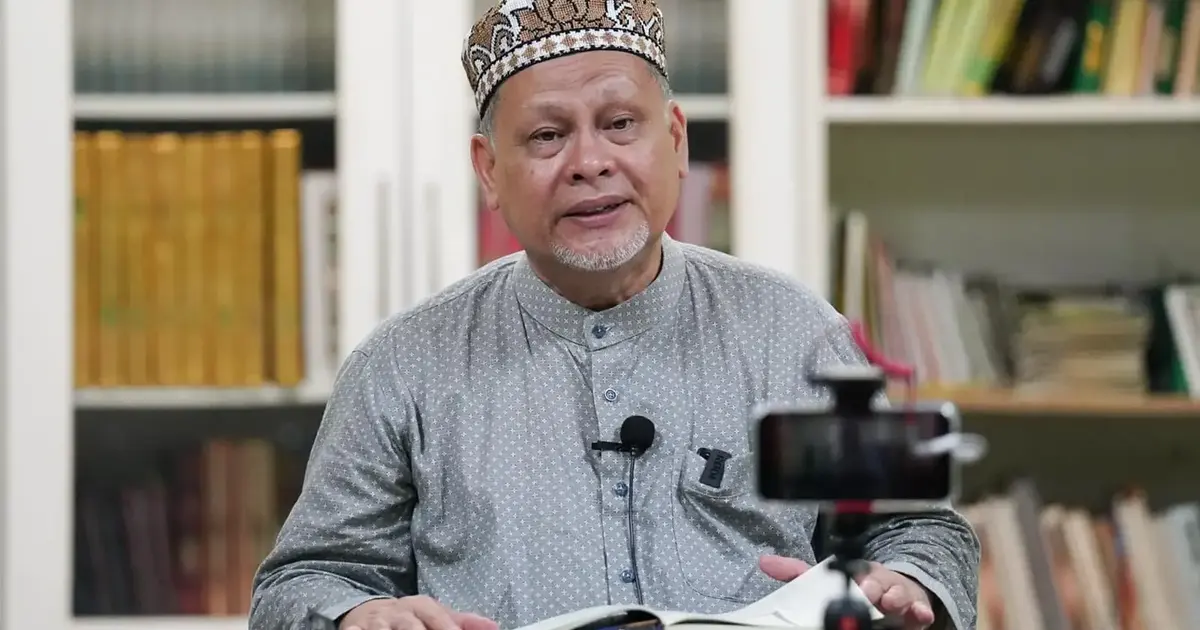
PAS has signalled its readiness to square off against Bersatu in direct competition, should both parties field candidates in overlapping constituencies during the Negeri Sembilan state election. The declaration from Amar Abdullah, the PAS deputy president, underscores ongoing tensions within Perikatan Nasional despite their formal alliance, and highlights the competitive dynamics that persist even among coalition partners as state-level polls approach.
The potential for seat clashes between PN component parties reflects the delicate balancing act required to maintain the coalition's cohesion while respecting the individual electoral ambitions of its constituent parties. Amar Abdullah's forthright stance suggests PAS will not automatically defer to Bersatu in contested seats, challenging the notion that PN operates as a monolithic political force. Instead, the party appears prepared to make its case to voters directly, even if this means competing against partners rather than rivals from other coalitions.
This development carries particular significance for Negeri Sembilan, a state where electoral performance can shift the political balance across the region. The state has historically been a battleground where different political forces test their strength, and the upcoming polls will provide a crucial indicator of whether PN can maintain unity or whether internal fractures will undermine its appeal to voters. PAS's willingness to contest suggests the party believes it can differentiate itself from Bersatu on policy or local issues, despite their shared membership in Perikatan Nasional.
Bersatu, despite being positioned as PN's anchor party and holding significant organizational influence, faces potential challenges from its junior allies if seat negotiations prove contentious. The party's capacity to influence outcomes depends partly on its ability to negotiate favourable seat allocations, and PAS's statement effectively serves notice that it will not accept unfavourable terms. This negotiating posture could complicate pre-election arrangements and force more transparent discussions about resource allocation and candidate selection within the coalition.
For Malaysian political observers, such statements reveal the inherent tensions between maintaining coalition discipline and satisfying individual party interests. While PN functions as an electoral alliance for federal-level considerations, state elections present opportunities for parties to pursue independent strategies without necessarily triggering broader coalition crises. PAS's position suggests the party has calculated that contesting certain seats independently serves its long-term organizational interests and demonstrates its vitality to supporters.
The Negeri Sembilan context also matters considerably. The state's political composition and demographic diversity mean that different parties may believe they possess distinct advantages in particular constituencies. PAS may see certain seats as particularly receptive to its messaging or organizational structure, making unilateral candidacies strategically sensible regardless of coalition protocols. Bersatu's potential dominance within PN structures does not necessarily translate to electoral superiority in every locality.
Historically, Malaysian coalition arrangements have survived such competitive moments precisely because state elections operate under different rules and expectations than federal contests. Voters often interpret state-level competition between coalition partners differently than they would federal-level fractures, viewing it as healthy internal competition rather than coalition breakdown. However, the frequency and intensity of such clashes can gradually erode coalition bonds if they accumulate without being addressed through formal mechanisms.
Amar Abdullah's comments also carry strategic messaging implications. By publicly declaring PAS's preparedness to contest independently, the party signals strength to its membership and supporters, demonstrating that it will not be sidelined or subordinated within coalition structures. This positions PAS as a confident, capable force rather than a junior partner merely accepting seat allocations handed down by superior entities. Such messaging matters for party morale and member retention, particularly among grassroots activists who drive electoral campaigns.
The broader implications for PN's coherence warrant attention as the election approaches. If seat negotiations become acrimonious and multiple parties stake competing claims to constituencies, the coalition's narrative unity could suffer. Voters exposed to intra-coalition squabbles may question whether the parties genuinely share policy objectives or whether coalition membership serves purely opportunistic purposes. The government and opposition alike will monitor whether PN's internal divisions can be managed or whether they escalate into more serious ruptures.
Looking forward, the PAS statement suggests that pre-election negotiations between PN component parties will require serious engagement and compromise. Seat allocation mechanisms that worked in previous contexts may face challenges if parties have grown more assertive about asserting claims to specific constituencies. The upcoming weeks will reveal whether PN can negotiate settlements that all parties accept as fair, or whether multiple contests unfold in identical seats, fragmenting the PN vote and potentially benefiting opposition candidates. The outcome in Negeri Sembilan will offer important signals about PN's internal health and its capacity to maintain coalition discipline beyond the federal level.

