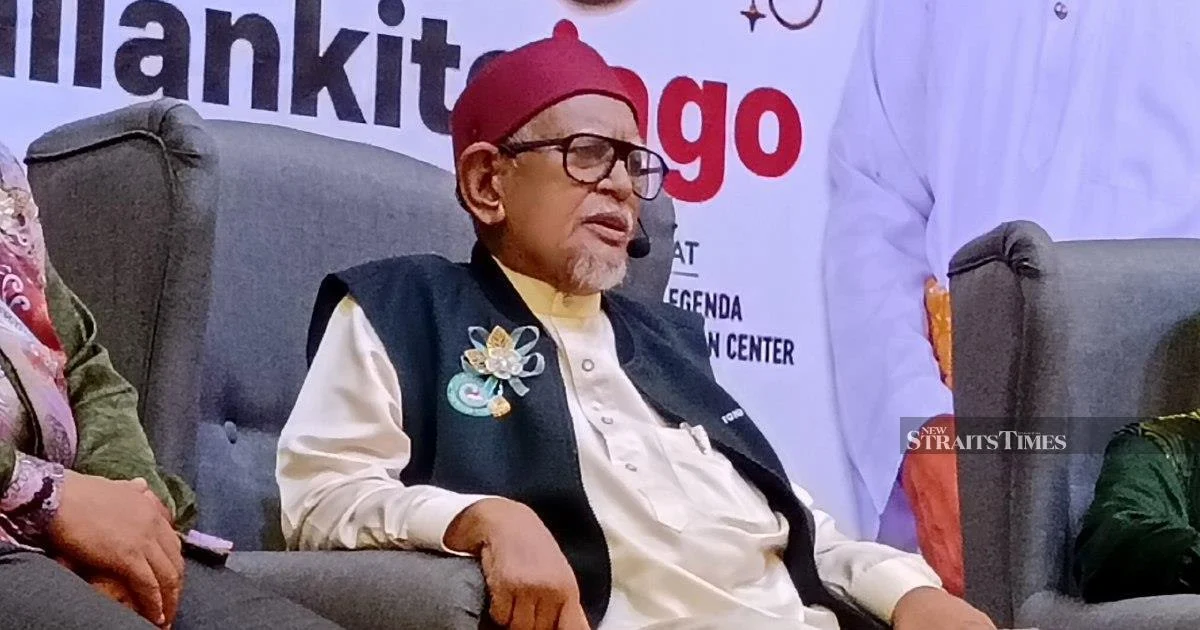
The long-running negotiations between PAS and Umno over electoral cooperation in Negri Sembilan have reached a stage where PAS is signalling significant flexibility regarding the state's top executive position. PAS president Hadi Awanuddin said in Seremban that the Islamic party would consider accepting an Umno nominee as the menteri besar candidate, marking a notable shift in the coalition's bargaining dynamics as the August 1 election approaches.
This development underscores the delicate balancing act required to maintain the Perikatan Nasional framework in a state where neither major component party can guarantee overwhelming electoral dominance on its own. The willingness to cede the chief minister's office—traditionally viewed as the prize in state politics—suggests PAS is prioritising seat allocations and overall parliamentary representation over symbolic leadership positions. Such pragmatism reflects the coalition's assessment that internal cohesion matters more than hierarchical precedence in a landscape where vote-splitting between allies could hand victory to opposition forces.
Negri Sembilan presents a particularly instructive case for Malaysian electoral politics. The state's mixed urban and rural demographics, combined with its intermediate size, means that seat distribution carries outsized consequences for overall coalition strength in the Dewan Rakyat. PAS has demonstrated growing influence in state affairs through successive elections, but sustains this by negotiating carefully with Umno rather than attempting unilateral domination. The mention of the August 1 date indicates both parties recognise the compressed timeline for finalising candidate lists and campaign preparation.
Hadi's statement, made during a visit to the state capital, reflects ongoing technical discussions about which party contests which constituencies. These negotiations typically involve detailed analysis of demographic shifts, previous electoral performance, and factional considerations within both parties. The fact that PAS is publicly confirming this flexibility suggests the coalition leadership is confident enough in its overall negotiating position to offer concessions on the menteri besar matter without losing face internally.
For Malaysian observers, the PAS-Umno arrangement in Negri Sembilan represents one of the more complex interparty relationships within Perikatan Nasional. Unlike states where one party holds commanding leads, here both organisations maintain meaningful territorial bases and voter constituencies. Umno's historical dominance in the state provides some structural advantage, while PAS's stronger performance in recent federal elections has enhanced its negotiating leverage. The menteri besar question therefore becomes symbolic of how these competing interests are being reconciled.
The coalition's need to present a unified front also reflects broader Southeast Asian patterns of multiparty governance. Where no single party achieves outright supermajorities, executive positions become subject to genuine negotiation rather than automatic entitlements. This forces coalition partners to think strategically about long-term relationships versus short-term symbolic gains. Hadi's public comments essentially signal that PAS values the partnership's stability and electoral prospects over ceremonial considerations.
Background context matters here: Perikatan Nasional emerged from the political fractures that followed the 2018 election, when traditional coalitional arrangements shattered. Since then, both PAS and Umno have invested considerably in rebuilding effective working relationships despite their different constituencies and ideological emphases. Negri Sembilan represents a test case for whether such partnerships can function effectively at state level, where resources and powers are distributed differently than in federal politics.
The August 1 timing also carries implications for federal politics. A successful Negri Sembilan outcome for Perikatan Nasional would strengthen Prime Minister Anwar Ibrahim's governing coalition, while setbacks could embolden opposition forces currently seeking to exploit perceived government weaknesses. Though Negri Sembilan ranks as a mid-sized state in terms of parliamentary representation, outcomes there receive outsized attention because they signal broader electoral trends.
From a practical standpoint, PAS's openness to an Umno menteri besar candidate likely means discussions are advancing toward concrete seat allocations. In Malaysian state elections, menteri besar designations often represent the final element agreed upon after contentious negotiations over assembly member candidacies. That this issue is now being publicly addressed suggests the parties have resolved sufficient disagreements on other matters to move toward closure. However, internal party dynamics could still complicate finalisation, particularly if either PAS or Umno faces dissent from factional groups unhappy with the arrangement.
The broader significance extends beyond Negri Sembilan itself. How PAS and Umno manage coalition mechanics here provides a template for other states and for potential future federal arrangements. The willingness to make executive concessions in exchange for electoral guarantees could reshape how Malaysian political parties approach coalition-building going forward. Rather than winner-take-all mentalities, this flexibility suggests a more mature appreciation for power-sharing that may become increasingly necessary as electoral volatility persists.
Hadi's remarks also reflect PAS's confidence in its ability to deliver parliamentary seats regardless of the menteri besar arrangement. The party evidently believes its grassroots organisation and voter mobilisation capacity in Negri Sembilan are sufficiently robust that allowing Umno the chief minister role poses no strategic threat. This assessment, if accurate, indicates PAS has made genuine progress in consolidating its electoral base in the state since the last general election.

