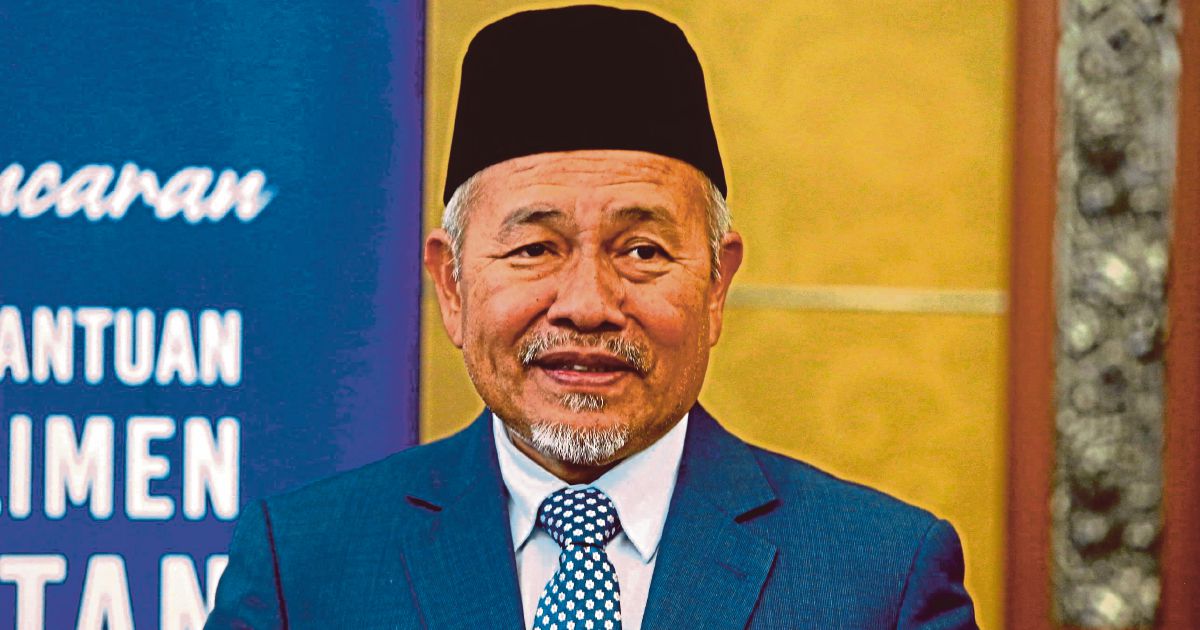
In a significant political development for Negri Sembilan, PAS deputy president Datuk Seri Tuan Ibrahim Tuan Man has publicly endorsed Umno's decision to retract its support for the state government, framing the manoeuvre as a watershed moment that will reshape the electoral landscape ahead of anticipated state elections. The statement, delivered in Seremban, carries considerable weight given the intertwined nature of coalition politics in Malaysia's federal structure and the ripple effects such moves typically generate across regional political alignments.
Tuan Ibrahim's characterisation of the withdrawal as a "bold move" signals approval from within the Islamic party's leadership hierarchy. In Malaysian politics, where coalition stability has become increasingly fragile, one major component abandoning another carries profound implications for governance continuity and electoral strategy. The move appears to grant the voting public greater scope to determine the state's political trajectory, reversing the entrenched power structures that have governed Negri Sembilan politics in recent years. This represents a departure from the status quo that has long defined the relationship between federal-level coalitions and state-level administrations.
Umno's withdrawal from supporting the current state government constitutes a high-stakes gambit with multiple dimensions. By stepping back from its backing role, the party has essentially declared that maintaining the existing arrangement no longer serves its broader political interests or strategic objectives in the state. Such decisions typically emerge from disagreements over resource allocation, leadership contests, or calculation that fresh elections might yield more favourable positioning. For Umno, a party that has traditionally wielded considerable influence in Negri Sembilan, the decision represents a recalibration of priorities at the state level.
The timing of this political manoeuvre arrives as several Malaysian states contemplate electoral calendars and regional parties reassess their coalition partnerships. Negri Sembilan, positioned between the federal capital region and the southern states, holds strategic significance for any coalition seeking to strengthen its parliamentary base or consolidate influence across the peninsula. The state's electoral composition and demographic patterns make it a bellwether for broader political trends affecting Malaysia's central region.
For PAS, the public endorsement of Umno's move carries strategic overtones. The Islamic party has been navigating complex coalition arrangements since the 2022 federal election, oscillating between cooperation with different blocs depending on state-level dynamics and leadership calculations. By commending Umno's decision, PAS signals its own openness to political realignment and its willingness to work outside traditional frameworks. This public stance may be positioning PAS to play a more flexible role in determining which coalition ultimately governs Negri Sembilan following electoral contests.
The broader significance of Tuan Ibrahim's remarks extends beyond the immediate Negri Sembilan situation. In Malaysian politics, state-level coalition shifts often presage federal-level repositioning. When component parties of a federal coalition begin withdrawing support at the state level, it frequently indicates underlying tensions that may eventually surface at the national stage. The withdrawal thus deserves attention as a potential indicator of wider turbulence within existing political arrangements.
Electoral implications for Negri Sembilan residents are substantial. The withdrawal of incumbent backing creates genuine political competition where previously established arrangements had created predictability. Voters will potentially face meaningful choices among competing coalitions and candidates rather than validating predetermined alignments. This competitive environment may drive greater engagement from parties seeking to persuade the electorate and potentially result in higher turnout as voters perceive genuine stakes in the outcome.
However, the move also introduces uncertainty. State governments require stable majorities to function effectively and deliver public services. An extended period without clear governmental support structures can create administrative paralysis and leave critical development projects in limbo. Negri Sembilan's civil service and state-dependent constituencies must navigate this ambiguous interim period, where current administration legitimacy remains contested and future governance structures remain undefined.
The emerging political landscape will depend heavily on whether other coalition components follow similar paths or whether countervailing forces consolidate around alternative arrangements. Traditional opposition blocs may sense opportunity to present viable alternatives, while smaller parties might position themselves as kingmakers in new configurations. The ultimate outcome will reflect calculations by numerous actors seeking advantage in an increasingly fluid environment.
Tuan Ibrahim's public endorsement effectively stamps PAS approval on the broader process of political realignment in Negri Sembilan. This positioning allows PAS to maintain flexibility in subsequent negotiations while signalling support for competitive democracy and voter choice. As Malaysian politics continues fragmenting into more volatile configurations, such strategic statements from major party leadership provide useful windows into how organisations envision their positioning within evolving coalitional landscapes.

