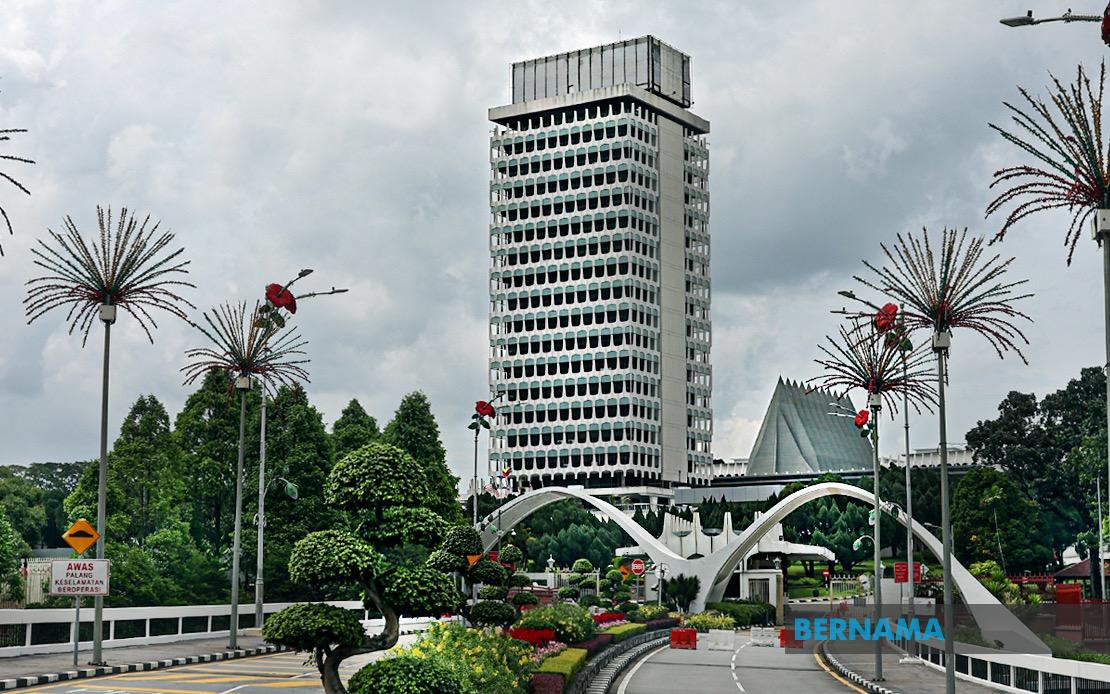
Parliament's third week of sitting has concluded with significant legislative progress on competition law and substantive debates across multiple policy domains affecting Malaysian citizens. Two amendments to competition legislation received passage, while lawmakers grappled with pressing issues spanning healthcare infrastructure, agricultural regulation, national security procurement and the lingering fiscal consequences of 1Malaysia Development Berhad.
The Competition (Amendment) Bill 2026 and the Competition Commission (Amendment) Bill 2026 represent the government's attempt to modernise Malaysia's regulatory toolkit for increasingly complex digital marketplace dynamics. These amendments strengthen the enforcement mechanism against anti-competitive conduct, reflecting acknowledgment that traditional regulatory approaches require updating as e-commerce platforms and digital service providers reshape how Malaysians conduct business. The timing reflects broader Southeast Asian trends, with regional economies simultaneously wrestling with digital economy governance frameworks.
A third legislative measure, the Control of Padi and Rice (Amendment) Bill 2026, underwent first reading this week and targets endemic problems within domestic rice production and distribution. The proposed legislation introduces significantly harsher penalties, notably raising maximum fines to RM1 million, signalling parliamentary determination to eliminate malpractice that compromises Malaysia's food security strategy. This initiative carries particular resonance for a nation where rice self-sufficiency remains a political and economic priority, especially given regional supply chain vulnerabilities and price volatility affecting Southeast Asian food markets.
Parliamentary scrutiny of the Human Rights Commission of Malaysia's 2024 annual report generated substantive deliberation, with MPs offering recommendations intended to enhance institutional effectiveness. This discussion occurred within the context of Malaysia's international standing on human rights measures, an increasingly significant factor as multinational corporations and international investors apply governance criteria when evaluating market participation. The commission's role in mediating between state institutions and citizen grievances remains pivotal for Malaysia's broader rule-of-law architecture.
Prime Minister Datuk Seri Anwar Ibrahim's ministerial question session addressed two interconnected themes with distinct implications for Malaysia's economic trajectory and global reputation. Regarding micro, small and medium enterprises, the government committed to streamlining financial institution processes for MSME lending, recognising that Malaysia's economic resilience depends substantially on this sector's expansion and sustainability. The MSME ecosystem provides employment for millions and demonstrates particular vulnerability to credit access constraints, making efficient lending mechanisms essential for inclusive growth.
The Prime Minister's defence of Malaysia's press freedom record against declining international rankings signalled tension between government enforcement priorities and global governance standards. Anwar distinguished between content restrictions addressing religion, race, monarchy and national security—framed as boundary maintenance rather than censorship—and policies affecting mainstream journalists. His announcement that complaints against recognised media organisations must pass through the Malaysian Media Council before triggering automatic investigation attempts to establish procedural distinction between accountability and suppression. This delineation matters substantially for international investor perception and Southeast Asian governance comparisons.
Two parliamentary select committees presented findings warranting immediate policy attention. The Special Select Committee on Health examined organ donation and transplantation frameworks, areas where policy optimisation could address persistent shortages constraining Malaysia's healthcare quality outcomes. Simultaneously, the committee addressing women, children and community development documented alarming six-year trends in abuse and violence cases, indicating systematic failures across protection institutions that demand comprehensive legislative and administrative response. These intersecting crises suggest deeper governance challenges extending beyond isolated agency failures.
Specialised defence procurement decisions also received parliamentary consideration regarding naval capability replacement. The selection process for a missile system to replace the Littoral Combat Ships' existing Naval Strike Missile platform involves significant defence capability implications for Malaysia's maritime security posture. Such procurement discussions carry geopolitical dimensions within Southeast Asia's increasingly complex security environment and regional strategic competition over maritime assets.
Deputy Finance Minister Liew Chin Tong's revelation that government liabilities stemming from 1MDB amount to RM51.4 billion—encompassing settled and outstanding obligations—reintroduced the scandal's ongoing fiscal consequences into parliamentary discourse. This staggering liability continues constraining government budgetary flexibility across social programmes and infrastructure investment, representing a persistent drag on Malaysia's fiscal policy options nearly a decade after the scheme's initial exposure. The magnitude underscores how financial misgovernance from previous administrations continues shaping contemporary policy possibilities.
Parliament's final week will conclude the current sitting on July 16, representing completion of the Second Meeting of the Fifth Session of the 15th Parliament. The legislative agenda during this closing week remains unannounced, but parliamentary proceedings consistently address urgent governance matters reflecting Malaysia's evolving economic, social and security landscape. Speakers' recent health reminder to MPs regarding regular screening followed a lawmaker's admission to the National Heart Institute, demonstrating parliament's recognition that institutional continuity depends upon members' wellbeing alongside democratic procedures.
The week's comprehensive legislative and deliberative output reflects parliament's ongoing engagement with Malaysia's modernisation challenges across interconnected domains. From competition law adaptation and food security enhancement through competition restriction addressing and fiscal consequences management, lawmakers demonstrated responsiveness to contemporary governance demands. Whether these parliamentary initiatives translate into effective policy implementation will substantially determine whether Malaysia's institutional frameworks adequately address constituent needs and international governance expectations amid rapid regional transformation and evolving economic competition.

