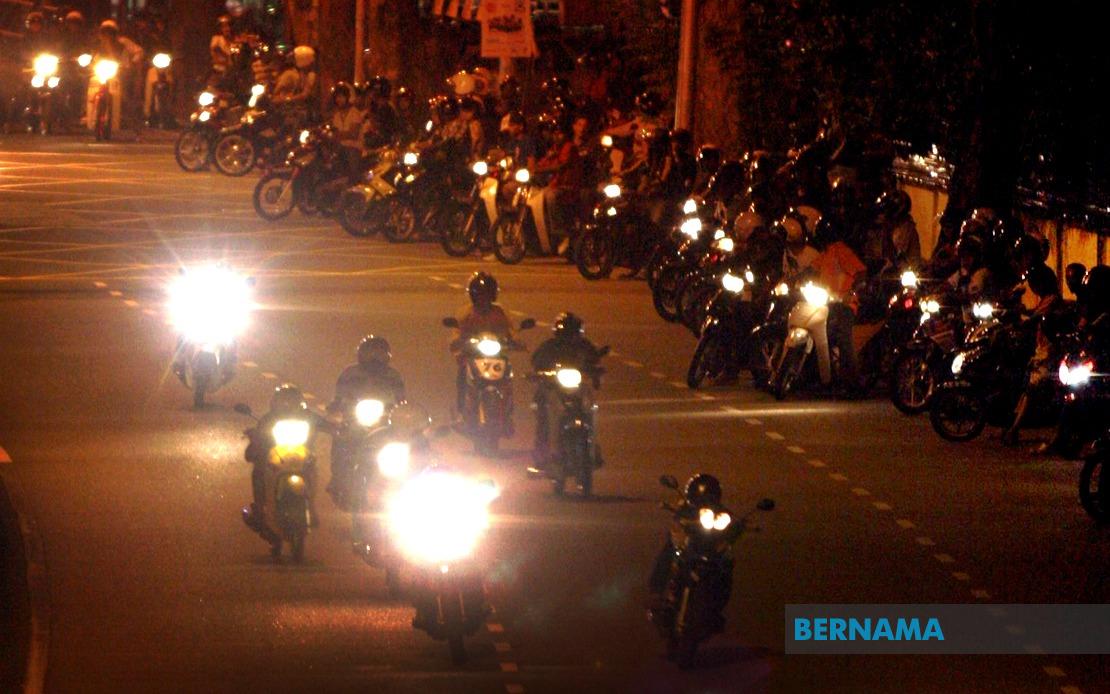
Lawmakers in the Dewan Rakyat are pushing the government to adopt a comprehensive approach to dismantling illegal street racing operations, combining severe punitive measures with rehabilitative interventions. During parliamentary debate on the Road Transport (Amendment) Act 2026 this week, more than two dozen government and opposition MPs outlined proposals aimed at making the roads safer and deterring what has become an increasingly visible social problem, particularly among younger drivers. The debate revealed a broad consensus that current penalties are insufficient and that a multifaceted strategy is needed to address the issue.
Khairil Nizam Khirudin from Jerantut proposed establishing a dedicated rehabilitation framework that would complement existing fines and jail terms. His suggestion focuses on combining disciplinary training with mandatory community service, recognizing that some offenders may be amenable to reformation rather than purely punitive measures. This approach acknowledges that while enforcement is critical, addressing the underlying behavioural and social factors driving participation in illegal racing could prevent recidivism. The proposal reflects international best practice in handling traffic-related offences, where rehabilitation programmes have shown measurable success in reducing reoffending rates among younger demographics.
The enforcement chain regarding motorcycle modifications emerged as a focal point in the discussion. Khairil Nizam advocated for coordinated action between the Transport Ministry and the Ministry of Domestic Trade and Cost of Living to establish new regulatory frameworks targeting workshops that perform illegal modifications. He specifically referenced Section 66 of the Road Transport Act 1987 as a potential legal instrument for cracking down on these operations. The issue is particularly acute in Malaysia, where motorcycle culture is deeply rooted and accessible performance upgrades are readily available, making enforcement at the source of the problem—the modification shops themselves—strategically important.
Parental accountability emerged as an unexpected but noteworthy proposal. Khairil Nizam suggested holding parents of offenders legally or financially responsible, framing the matter as strengthening the family institution's role in addressing youth misconduct. While potentially contentious from a civil liberties perspective, the suggestion reflects frustration with repeat offenders and attempts to establish accountability beyond the individual participant. In the Malaysian context, where family structures and parental authority remain culturally significant, such measures could carry particular weight as a deterrent.
Datuk Willie Mongin from Puncak Borneo introduced the most punitive proposal: permanent revocation of driving licences combined with minimum fines of RM300,000 or five-year prison sentences. This dramatic escalation in penalties signals parliamentary impatience with incremental enforcement efforts. Mongin's explicit statement—"We need to show that our government is serious"—underscores the political pressure surrounding the issue, suggesting public anxiety about street racing has reached a level demanding visible governmental response. The permanent licence revocation component is particularly significant, as it effectively removes repeat offenders from the road indefinitely.
The scope of enforcement came under scrutiny when Wan Razali Wan Nor pointed out that current provisions do not adequately cover all vehicle types involved in illegal racing. He highlighted the tragic incident in Simpang Renggam, Johor on June 1, which involved luxury vehicles and resulted in multiple fatalities. This reminder that illegal racing extends beyond motorcycles to high-powered cars represents a critical policy gap, as enforcement efforts have traditionally focused on two-wheeled vehicles. The Simpang Renggam incident demonstrates that street racing involving cars can produce more catastrophic outcomes, yet existing provisions under Section 42A may not adequately address these scenarios.
Shaharizukirnain Abd Kadir proposed vehicle destruction as a deterrent mechanism, suggesting that heavily modified motorcycles seized during enforcement operations be permanently destroyed rather than returned or auctioned. This approach sends a clear message about the consequences of modification and removes assets that offenders might otherwise attempt to reclaim. The psychological and economic impact of permanent asset loss could serve as a stronger deterrent than financial penalties alone, particularly for organized racing groups that invest substantially in vehicle preparation.
The debate also addressed a critical gap in victim compensation. Jeli MP Zahari Kechik and others emphasized that victims of accidents caused by drivers under the influence of alcohol or drugs lack adequate compensation mechanisms for medical expenses and ongoing welfare needs. Zahari Kechik recommended establishing formal compensation frameworks, arguing that offenders should bear full financial responsibility for the harm they cause. This victim-centric approach reflects a shift in parliamentary thinking toward holding offenders accountable not merely through incarceration but through restitution for actual harm caused.
Datuk Seri Dr Ismail Abd Muttalib endorsed strengthening enforcement related to impaired driving, emphasizing that existing provisions under Sections 44 and 45A-45C of the Road Transport Act 1987 require enhancement. The connection between illegal racing and substance abuse remains underexplored in public discourse, but the parliamentary focus suggests awareness that these issues are interlinked. Drivers participating in illegal racing or street racing may also be under the influence, compounding danger to the public.
The legislative initiative reflects broader Southeast Asian trends in addressing youth-oriented traffic misconduct. Countries across the region face similar challenges with illegal street racing culture, though Malaysia's motorization rate and urban infrastructure have made the problem particularly acute in major metropolitan areas. The multifaceted approach now under parliamentary consideration—combining rehabilitation, enforcement, victim compensation, and asset destruction—represents a more sophisticated policy response than purely punitive measures.
For Malaysian road users and residents in high-incident areas, the proposed amendments could significantly impact enforcement intensity and penalties. Insurance implications may also shift if permanent licence revocation becomes standard, as insurers will no longer need to cover permanently banned drivers. The debate's emphasis on workshop oversight could also drive underground the modification industry, though enforcement challenges will remain substantial.
As the Dewan Rakyat continues debate on the Bill, the focus has shifted from whether stronger measures are needed to determining which combination of penalties, rehabilitation, and enforcement mechanisms will prove most effective. The cross-party participation and diverse proposals suggest that illegal racing has transcended partisan lines to become recognized as a significant public safety issue warranting serious legislative attention. Implementation challenges remain substantial, particularly regarding consistent enforcement and the balancing of deterrence against rehabilitation objectives.