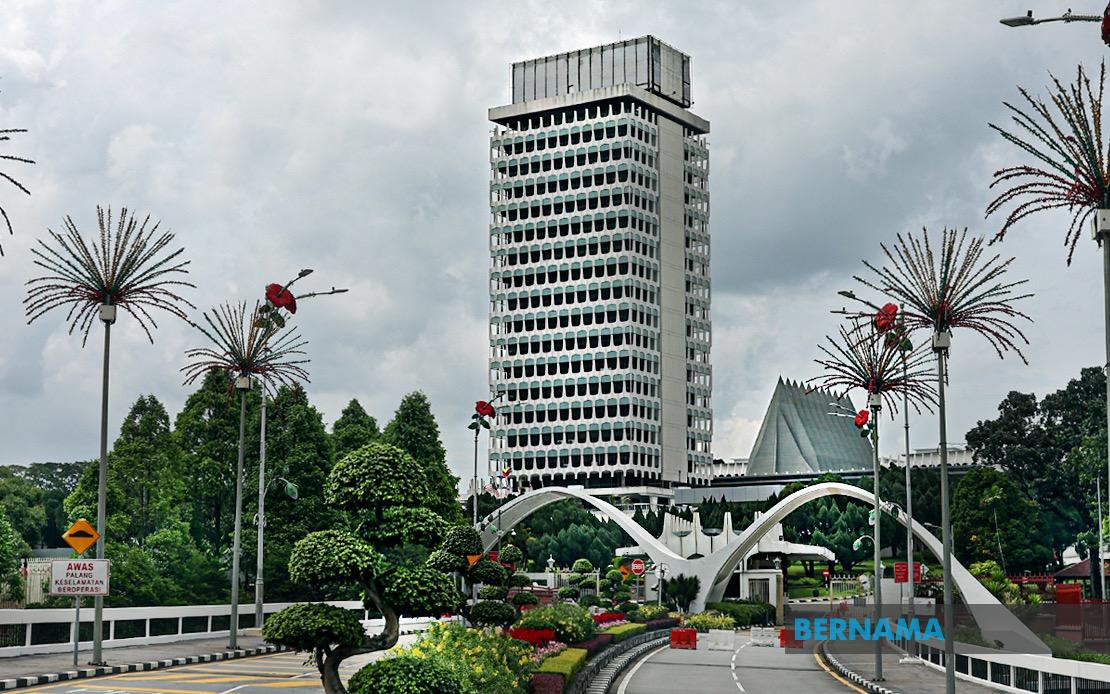
The Dewan Rakyat convenes today to examine several critical issues confronting Malaysia's economy and democratic institutions, with legislators prepared to interrogate the government's response to an emerging financial crisis threatening the nation's small business sector and troubling questions about press freedom.
During Minister's Question Time, which begins at 10 am, parliamentarians will press the government on the mounting difficulties facing micro, small and medium enterprises seeking bank financing. Lee Chuan How, representing Ipoh Timor under the Pakatan Harapan banner, will directly challenge the Prime Minister on whether the MADANI administration recognises the deepening anxiety spreading through the MSME community as entrepreneurs encounter substantial barriers when attempting to access credit facilities necessary for business continuity and growth. This line of questioning arrives amid broader economic headwinds affecting Malaysia's productive sector, where access to affordable capital remains a persistent structural constraint limiting entrepreneurial expansion and employment creation.
The financing predicament confronting MSMEs carries particular significance for Malaysia's economy, given that small and medium-sized businesses collectively employ over six million workers and contribute roughly 40 per cent of gross domestic product. When credit becomes scarce or prohibitively expensive, this segment faces acute vulnerability, potentially triggering business closures and workforce retrenchments. The government's MADANI framework pledges inclusive prosperity, yet the persistence of MSME financing obstacles suggests implementation gaps between policy rhetoric and ground-level reality, making parliamentary scrutiny of this issue timely and necessary.
Equally concerning to legislators is Malaysia's slippage in international media freedom assessments. Ahmad Fadhli Shaari, the Pasir Mas representative from Perikatan Nasional, will demand that the Prime Minister explain Malaysia's descent to 95th position in the 2026 World Press Freedom Index, a notable decline from the 88th ranking recorded in the previous year. This deterioration represents a worrying trajectory for a nation aspiring to regional leadership in democratic governance and institutional accountability.
The media freedom ranking carries substantial implications for Malaysia's international standing and domestic democratic health. A falling index position typically reflects concerns among international observers regarding press independence, censorship pressures, or threats to journalists. For a Southeast Asian economy seeking to attract foreign investment and maintain diplomatic influence, such rankings influence perceptions among international business communities and civil society observers. Domestically, the decline raises questions about whether sufficient safeguards exist protecting journalists investigating government actions, corporate malfeasance, or matters affecting the public interest.
Fadhli's query will specifically probe what comprehensive governmental measures are being implemented to defend and strengthen media freedom protections. This question implicitly challenges whether existing regulatory frameworks adequately balance national security concerns with press independence, and whether politicians, law enforcement, or other actors have created an environment where journalists self-censor due to fear of legal consequences or intimidation. The government's response will illuminate its commitment to ensuring a diverse information ecosystem where media outlets can scrutinise power holders without excessive restraint.
Parliament will also examine accessibility issues affecting elderly worshippers when Aminolhuda Hassan, representing Sri Gading under Pakatan Harapan, raises whether the government intends launching a Senior Citizens-Friendly Fund. This fund would finance infrastructure modifications in mosques and suraus throughout the nation, including wheelchair ramps and specially equipped toilet facilities enabling elderly congregants to participate fully in religious community life. The question highlights how contemporary governance must address the practical needs of ageing populations, particularly regarding equitable access to community facilities.
Beyond Minister's Question Time, parliamentary business will proceed to substantial policy deliberations. The Dewan Rakyat is scheduled to scrutinise the 2024 Annual Report and Financial Statement of the Human Rights Commission of Malaysia (SUHAKAM), enabling legislators to assess whether the independent body has adequately fulfilled its constitutional mandate protecting citizen rights and investigating violations. Such parliamentary review mechanisms serve crucial oversight functions, ensuring that autonomous institutions remain accountable while maintaining the independence necessary for effective human rights advocacy.
The session will subsequently resume debate on the Constitution (Amendment) (No. 2) Bill 2026, legislation seeking to fundamentally restructure Malaysia's highest legal positions by separating the Attorney General and Public Prosecutor roles. This constitutional reform represents a significant institutional change with profound implications for judicial independence and prosecutorial discretion. The proposed separation aims to prevent concentration of power over criminal prosecution and legal affairs within a single office, potentially strengthening institutional checks and balances. Parliamentary debate on this amendment will determine whether sufficient consensus exists to progress reform, requiring two-thirds majorities and reflecting broader national conversation about accountability mechanisms and democratic separation of powers.
Collectively, today's parliamentary agenda reflects the multifaceted challenges confronting Malaysia's governance ecosystem. Economic anxieties troubling the business community, concerns about democratic institutions and press independence, welfare provisions for vulnerable populations, and constitutional reforms aimed at institutional strengthening all merit serious legislative consideration. How effectively parliament addresses these interconnected issues will influence not only Malaysia's domestic trajectory but also perceptions among international observers regarding the nation's commitment to inclusive development, democratic governance, and institutional integrity.

