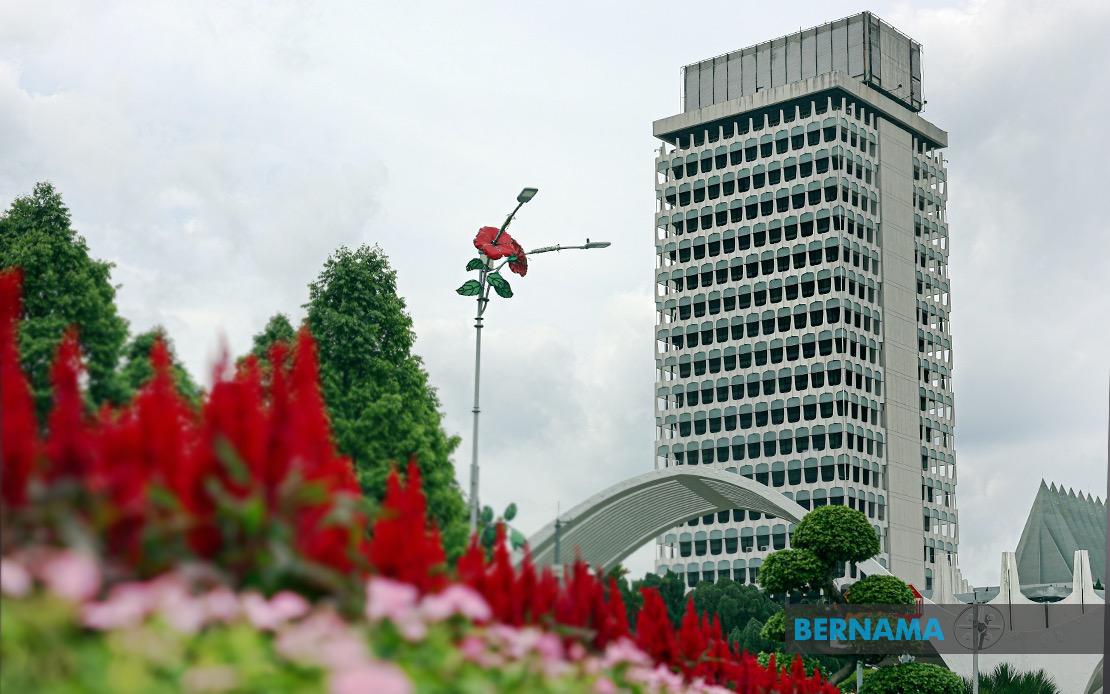
The Dewan Rakyat is convening for what promises to be a substantive parliamentary session addressing three matters of immediate concern to Malaysian households and the broader economy. Disruptions affecting internet connectivity despite devices showing adequate signal strength will be scrutinized alongside government expenditure pressures stemming from Middle Eastern instability, while lawmakers also examine financial inclusion challenges facing Malaysia's growing informal workforce.
The digital connectivity issue has emerged as a persistent frustration for Malaysian internet users. Datuk Anyi Ngau, the GPS-Baram representative, will press the Communications Minister to detail the Malaysian Communications and Multimedia Commission's (MCMC) tactical approach to resolving a paradoxical problem troubling many users: full signal strength displayed on mobile phones accompanied by non-functional or severely degraded internet access. This technical anomaly suggests systemic backend issues rather than simple coverage gaps, potentially pointing toward network congestion, infrastructure bottlenecks, or equipment misalignment that official statistics may not adequately capture.
The fuel subsidy question carries particular weight given Malaysia's fiscal constraints and exposure to global commodity volatility. Mohd Syahir Che Sulaiman from PN-Bachok will ask the Finance Minister to provide the government's current evaluation of how Middle Eastern geopolitical tensions are influencing Malaysia's fuel subsidy bill. Beyond immediate price fluctuations, the enquiry implicitly addresses whether rising subsidy costs could jeopardize the administration's fiscal deficit targets for the year. For ordinary Malaysians, this line of questioning reflects broader anxieties about whether international instability will trickle down into domestic petrol and diesel pricing, particularly as fuel remains a core component of transportation and living costs across urban and rural communities.
The informal economy represents a critical but often underserved segment of Malaysia's workforce. Jamaludin Yahya, representing PN-Pasir Salak, will direct attention toward financial barriers confronting self-employed individuals, small traders, hawkers, and gig economy participants seeking home ownership financing. Conventional lending criteria frequently demand fixed salary documentation—tax returns, payslips, and employment letters—that informal workers cannot readily produce. This structural exclusion from mainstream credit markets perpetuates economic inequality and limits wealth accumulation pathways for a sizable portion of the labour force, an issue gaining urgency as Malaysia's economy shifts toward greater service sector and digital work participation.
Government oversight of confinement facilities represents another dimension of consumer protection and women's wellbeing commanding parliamentary attention. Yeo Bee Yin, the Puchong representative from PH, will seek confirmation that the Women, Family and Community Development Ministry possesses adequate preparedness to establish comprehensive regulatory frameworks and enact statutory provisions governing confinement centres. These facilities, commonly used by postpartum women in Malaysia and regionally, currently operate with minimal standardized regulation, leaving users vulnerable to substandard hygiene, unqualified practitioners, and inadequate safety protocols. Establishing clearer legal requirements would enhance consumer recourse and professionalize an industry currently operating in regulatory shadows.
Following the question-and-answer segment, parliamentary proceedings will advance toward substantive legislative work. The Dewan Rakyat will undertake second reading of the Communications and Multimedia (Amendment) Bill 2026 and the Malaysian Communications and Multimedia Commission (Amendment) Bill 2026, both of which received their initial reading during the previous sitting on July 13. These amendments likely address evolving challenges in the digital landscape, potentially encompassing online content moderation, platform responsibilities, and regulatory modernization to reflect technological change and international best practices in telecommunications governance.
The legislative amendments arrive amid intensifying digital transformation and mounting public expectations for responsive, efficient online services. Communications sector overhaul is particularly timely given Malaysia's ambitions within digital economy development and the pressing need to harmonize regulatory frameworks with technological realities. The two bills merit careful scrutiny from lawmakers representing constituents increasingly dependent on reliable, accessible digital infrastructure for business, education, healthcare, and government services.
The current parliamentary sitting, scheduled to conclude on July 16, provides a sixteen-day window for legislative business encompassing both urgent interrogations of executive performance and forward-looking statutory development. Parliamentary questions serve a crucial accountability function, compelling government ministers to publicly defend policies and expenditure decisions before elected representatives and, by extension, the constituencies they represent. This particular session's agenda reflects the multifaceted pressures facing contemporary Malaysia: managing digital infrastructure expectations, navigating global economic volatility, supporting informal workers transitioning toward formal asset ownership, and strengthening regulatory guardrails around emerging service sectors.
For Malaysian citizens, the outcomes of these parliamentary exchanges carry tangible implications. Enhanced government responsiveness to internet connectivity problems could improve service delivery and economic competitiveness. Clearer assessment of fuel subsidy trajectories influences household budgeting and inflation expectations. Progress on financing mechanisms for informal workers expands economic opportunity and social mobility. Regulatory clarity around confinement facilities safeguards vulnerable women during significant life transitions. Modernized communications legislation establishes rules applicable to millions of daily internet users and hundreds of businesses operating within Malaysia's digital ecosystem. Parliamentary proceedings thus connect abstract policy deliberation with concrete impacts on Malaysian livelihoods and aspirations.

