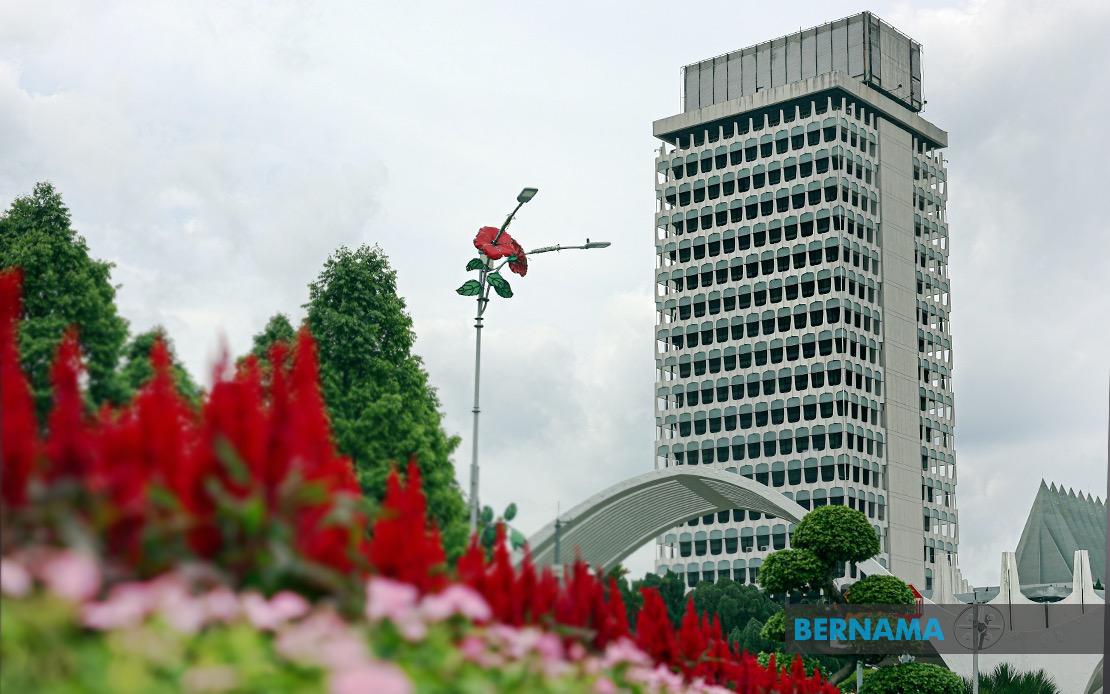
Parliament convenes today with a packed agenda centred on the looming El Niño phenomenon and its potential to destabilise Malaysia's agricultural output and domestic food supplies. The sitting of the Dewan Rakyat will hear from lawmakers across the political spectrum grappling with interconnected challenges that threaten economic stability and public welfare, reflecting growing concerns about the nation's vulnerability to climate disruption and operational safety within the armed forces.
Backbench member Bakti Jamaluddin from Tangga Batu has tabled a question to the Agriculture and Food Security Minister requesting a comprehensive account of preparations underway to mitigate El Niño's expected impact. The query signals parliamentary anxiety about the readiness of Malaysia's food production systems, given that prolonged dry conditions associated with El Niño episodes can severely diminish yields across critical crops. Bakti's focus extends beyond general readiness to encompassing specific sectoral concerns, including the adequacy of irrigation infrastructure, the capacity to maintain padi cultivation across the nation, broader crop productivity, and the ability of livestock operations to function normally under stress conditions.
ElNiño phenomena have historically disrupted Southeast Asian agriculture, with Malaysia's largely monsoon-dependent farming systems particularly exposed to irregular rainfall patterns. The concern articulated in parliament reflects lessons learned from previous episodes, where compromised water availability forced rationing and drove prices of staple foods higher. The government's response strategy will likely involve contingency planning for irrigation management, crop diversification initiatives, and possible imports to supplement domestic production should harvests falter. For Malaysian consumers, such disruptions carry real implications for household food budgets and inflation pressures, making parliamentary scrutiny of preparedness measures a matter of practical consequence.
Equally pressing is the matter of safety within Malaysia's military training programmes, following an incident involving a hand grenade explosion during a Malaysian Armed Forces exercise. Datuk Mohd Isam Mohd Isa from Tampin will press the Defence Minister to disclose the underlying cause and outline immediate corrective measures. Training accidents erode operational effectiveness and damage personnel confidence, necessitating thorough investigation and transparent communication about steps being taken to prevent recurrence. The minister's response will be scrutinised for the robustness of revised standard operating procedures and the adequacy of resources allocated to safety oversight.
The hand grenade incident highlights the broader challenge of maintaining disciplined, professional training standards across a large military establishment. Weapons handling fatalities and injuries, while statistically rare in modern armed forces, carry significant consequences for morale and operational readiness. Parliament's intervention signals civilian oversight of defence operations and public accountability for soldiers' safety. The Defence Ministry's answer will likely emphasise investment in equipment, personnel training enhancements, and procedural reviews, though the effectiveness of such measures ultimately depends on sustained implementation and culture change within training units.
A separate line of questioning will address the governance transformation of Kuala Lumpur City Hall following a feasibility study into the Federal Capital Act. Opposition lawmaker Tan Kok Wai from Cheras seeks details on proposed administrative and integrity reforms, touching on service delivery improvements. This query reflects broader anxieties about municipal governance quality and the effectiveness of reforms meant to strengthen institutional performance. Kuala Lumpur's status as the national capital places particular emphasis on the quality of its civic administration, affecting millions of residents and the nation's international image.
The spread of deviant religious teachings has also demanded parliamentary attention, with Sabri Aziz from Jerai asking the government to elaborate on challenges encountered and intervention strategies deployed. This question points to concerns about religious extremism and doctrinal deviation within Muslim communities, and the adequacy of counter-messaging and rehabilitative efforts. The government's response will outline enforcement mechanisms, community engagement programmes, and educational initiatives designed to inoculate vulnerable populations against heterodox teachings. Religious harmony remains central to Malaysia's social stability, making such oversight crucial.
Public health constitutes another focal point, with Dr Richard Rapu from Betong directing questions at the Health Minister regarding non-communicable disease trends. The parliamentarian seeks updated statistics on diabetes and hypertension prevalence among those under thirty, reflecting concern about the young population's metabolic health. This line of inquiry connects to the government's War on Sugar campaign and enforcement of sugar taxation, asking specifically whether these measures have demonstrably reduced obesity rates. The interrogative focus on younger age cohorts underscores apprehension about lifestyle diseases establishing themselves in populations destined for decades of chronic illness, with consequent strain on healthcare systems and productivity losses.
Non-communicable diseases represent an expanding burden across Southeast Asia, with Malaysia facing particular challenges given rising incomes and urbanisation driving consumption of processed foods high in sugar and salt. Young-onset diabetes and hypertension are increasingly common, signalling that preventive interventions require strengthening. Parliamentary scrutiny of campaign effectiveness and tax implementation holds the health ministry accountable for progress against these metrics and encourages policy refinement where current approaches underperform. The data requested will inform public discourse about whether current fiscal and educational tools suffice or whether more comprehensive regulatory approaches are required.
The financial agenda includes tabling of the National Trust Fund Bill 2026 for second reading, suggesting government commitment to establishing trust mechanisms, possibly related to sovereign wealth management or intergenerational resource stewardship. This legislative initiative reflects planning horizons extending well beyond immediate fiscal cycles, though the specific purpose and design remain to be elaborated during parliamentary debate. Trust fund mechanisms can serve multiple purposes—from managing commodity revenues to ensuring funding for social programmes—and their legislative architecture warrants careful scrutiny.
The current parliamentary session, the second meeting of the fifth session in the fifteenth Parliament, spans sixteen days and is scheduled to conclude following today's sitting. The concentration of diverse agenda items reflects compressed parliamentary calendars requiring members to address multiple urgent matters simultaneously. The range of topics—environmental preparedness, military safety, governance, social cohesion, public health, and financial stewardship—encapsulates the breadth of challenges confronting Malaysian governance and demonstrates parliament's role in subjecting executive performance to structured review and accountability mechanisms.

