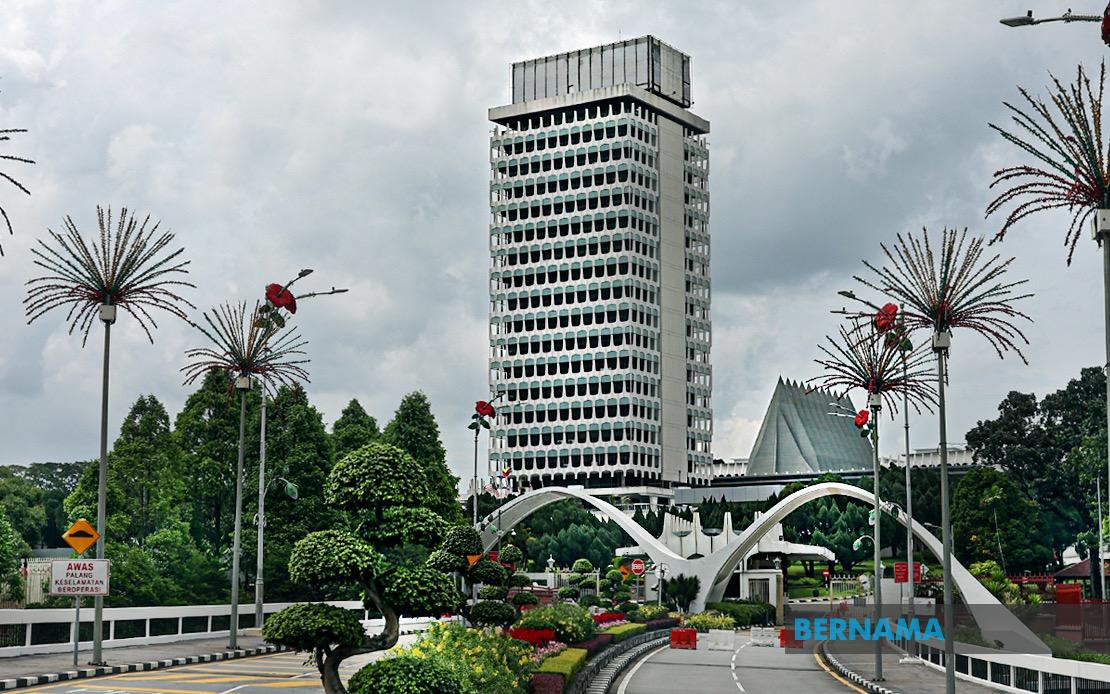
Parliament reconvenes this week with two major policy matters commanding legislative attention: the financial architecture underpinning the long-awaited East Coast Expressway Phase 3 and escalating concerns over illicit vaping networks infiltrating schools. The Dewan Rakyat's sitting will provide opposition and backbench MPs an opportunity to probe government decisions on infrastructure investment and youth protection, reflecting persistent anxieties across both policy domains that resonate deeply with Malaysian voters.
The East Coast Expressway Phase 3 represents a significant undertaking for regional connectivity, yet its financing structure remains contentious. Perikatan Nasional MP Wan Hassan Mohd Ramli from Dungun will interrogate the Works Ministry on the rationale for pursuing the project through a public-private partnership rather than direct public investment. This questioning suggests scepticism about whether private sector involvement genuinely optimises outcomes or merely transfers financial burdens to motorists. Toll mechanisms have historically triggered public backlash in Malaysia, and parliamentarians are signalling that toll rate implications must receive transparent governmental articulation before implementation proceeds.
The PPP model, while theoretically attractive for risk distribution and efficiency gains, introduces complexity that Malaysian taxpayers and road users deserve clarity on. The timeline for LPT3 realisation has slipped repeatedly over successive administrations, and lawmakers will press for concrete delivery schedules rather than aspirational projections. Regional economic development depends significantly on efficient transportation networks, making the quality and transparency of this parliamentary examination crucial for East Coast states including Terengganu, Pahang, and Kelantan.
Parallel to infrastructure concerns, the Home Ministry faces parliamentary scrutiny over its capacity to combat the proliferation of vaping products targeting minors. Perikatan Nasional's Mas Ermieyati Samsudin from Masjid Tanah will demand explanation of enforcement mechanisms designed to dismantle organised syndicates distributing these substances. The framing as targeting "youths and school students" underscores the age vulnerability profile that government action aims to protect—a constituency whose health outcomes generate cross-party consensus despite routine political polarisation.
Vaping represents an evolving regulatory challenge across Southeast Asia, with Malaysia grappling to contain distribution networks operating with apparent impunity in urban centres and increasingly in provincial areas. Unlike traditional tobacco products subject to established legislative frameworks, e-cigarettes and vaping devices occupy regulatory grey zones that syndicates exploit. The public health implications—nicotine addiction at formative developmental stages, unknown long-term respiratory consequences—justify intensive parliamentary examination of whether current enforcement architecture possesses sufficient legal tools and resource allocation.
Beyond these headline matters, other parliamentary questions signal broader governance concerns. Perikatan Nasional's Salamiah Mohd Nor from Temerloh will query the Health Ministry on digital healthcare initiative effectiveness, specifically whether platforms like MySejahtera and electronic health records genuinely alleviate the congestion plaguing government hospital systems. This enquiry reflects frustration among legislators and constituents alike regarding healthcare system responsiveness, particularly in post-pandemic contexts where digital solutions were enthusiastically promoted as transformative.
Pakatan Harapan MP P. Prabakaran from Batu will address immigration clearance delays at border entry points, a persistent frustration for business travellers, tourists, and Malaysian citizens alike. Queue management at international airports and land borders represents visible government performance metrics; parliamentary pressure signals that relief mechanisms must move beyond rhetoric toward tangible operational improvements. For Malaysia's tourism sector and business competitiveness, streamlined immigration processing carries economic significance beyond mere convenience.
The parliamentary agenda reflects governance fundamentals: infrastructure investment transparency, youth protection policy effectiveness, healthcare system responsiveness, and border administration efficiency. These constitute areas where executive performance directly affects citizen wellbeing and investor confidence. The 16-day sitting concluding July 16 provides sustained opportunity for detailed scrutiny, though parliamentary effectiveness ultimately depends on ministerial willingness to provide substantive rather than defensive responses.
For Malaysian readers, this week's parliamentary proceedings matter because outcomes influence whether roads reaching their regions emerge, whether their children access uncorrupted environmental conditions at school, whether hospital visits entail reasonable wait times, and whether international travel experiences friction or fluidity. The questions posed reflect constituent preoccupations transmitted through elected representatives, rendering parliamentary deliberation a mechanism through which voter priorities supposedly constrain executive discretion. Whether this week's sitting translates parliamentary concern into meaningful policy adjustment or administrative action remains the pertinent question for assessing Malaysia's democratic accountability mechanisms.

