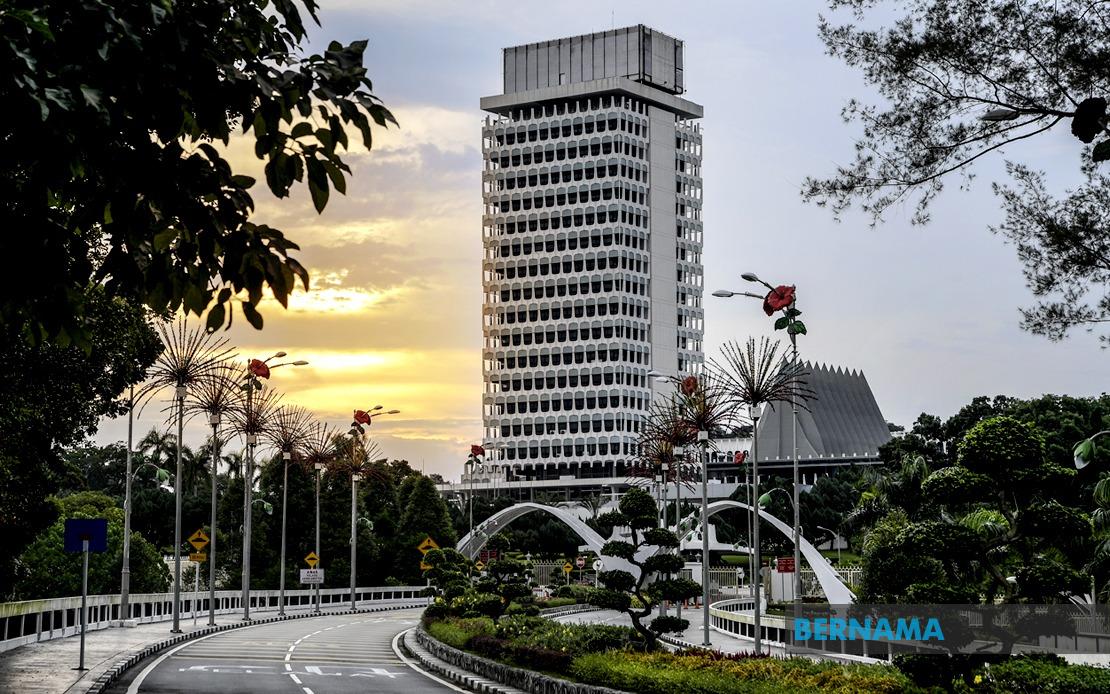
Parliament will today examine a clutch of legislative and policy matters that touch directly on household financial security and social development, signalling growing parliamentary focus on the lived experiences of ordinary Malaysians amid economic headwinds. The Dewan Rakyat sitting, which commenced its 16-day session, has placed consumer protection and future-proofing of the retirement system at the forefront of its agenda, reflecting persistent anxieties about financial resilience in an era of rising costs and demographic ageing.
The spotlight falls first on the insurance industry, where lawmakers plan to scrutinise government action to tighten regulations and defend policyholders from predatory practices. Tan Kok Wai of the Pakatan Harapan coalition representing Cheras will interrogate the Finance Minister on what safeguards exist to prevent insurers from cancelling policies or rejecting claims arbitrarily, particularly for those diagnosed with critical illness or cancer. The question cuts to the heart of trust in the insurance ecosystem: policyholders pay premiums in good faith, often over decades, yet face the risk that claims are denied on technicalities or that coverage simply evaporates when most needed. By asking the government to elaborate on transparency and dispute resolution mechanisms, Tan is pushing for systemic improvements that would give consumers genuine recourse and visibility into how decisions are made—a gap that has frustrated thousands of Malaysians.
Complementing this line of inquiry, Datuk Seri Aminuddin Harun from Port Dickson will direct the Finance Minister's attention to the sufficiency of retirement savings among the country's workforce. With Malaysia's population projected to age substantially by 2030, the question of whether Employees Provident Fund contributors are accumulating adequate reserves for their later years has become urgently pressing. The rising cost of living—particularly in housing, healthcare and food—erodes purchasing power and makes it harder for workers to set aside voluntary savings beyond mandatory EPF contributions. This parliamentary query reflects anxiety that current savings trajectories may leave pensioners vulnerable to poverty, potentially burdening public welfare systems and families. The government's response will likely address whether policy reforms, such as raising contribution rates, extending withdrawal flexibility, or enhancing financial literacy, are in the pipeline.
The volleyball dimension of today's sitting reveals Parliament's engagement with grassroots sports development. Zakri Hassan, representing the Perikatan Nasional coalition in Kangar, will ask the Youth and Sports Minister how the ministry plans to nurture talent in both indoor and beach volleyball—sports where Malaysia has demonstrated competitive potential at regional and international levels. Effective talent identification requires coordinated infrastructure, coaching expertise, and pathways from school to professional competition. By raising this during Parliament, Hassan is essentially demanding accountability for whether sufficient resources and strategic planning are devoted to volleyball, a sport that could generate medals, economic returns through tourism, and inspiration for young Malaysians.
Rural digital divide issues will also surface when Hassan Saad of Baling presses the Communications Minister on the efficacy of the National Information Dissemination Centres (NADI). Established to uplift rural socio-economic conditions, these centres face real challenges: internet penetration remains patchy, digital skill levels are often low, and small entrepreneurs struggle to access online marketing tools. The question implicitly asks whether NADI is truly bridging these gaps or merely operating as a symbolic presence without transforming rural livelihoods. For a nation pursuing digital economy ambitions, closing this rural-urban divide is essential.
Government efforts to combat subsidy leakage will also face parliamentary scrutiny. The Mobile eCOSS application, rolled out in May 2025 to track and prevent fraud in subsidised cooking oil distribution, represents an attempt to plug wastage and ensure assistance reaches intended recipients. Questions about its effectiveness will test whether technology-driven anti-corruption tools deliver real results or become another overlooked bureaucratic system. Such debates matter enormously in Malaysia, where subsidy programmes are lifelines for low-income households and leakage directly reduces their benefit.
The adequacy of financing schemes for micro, small and medium enterprises (MSMEs) will also come under review. With an MSME sector that represents the backbone of employment and economic dynamism across Malaysia, questions about whether available credit and support mechanisms genuinely enable entrepreneurs to scale and create jobs deserve close parliamentary examination. The breadth of today's agenda reflects recognition that economic security spans multiple dimensions: consumer protection, retirement readiness, rural development, anti-corruption and enterprise support.
Beyond question time, Parliament will receive a briefing from the Health Select Committee on reform of the National Organ Donation and Transplant System. This technical yet vital presentation will inform lawmakers on whether the nation's approach to organ procurement and allocation meets international standards and serves patients equitably. Separately, the chamber will advance committee-stage deliberation on the Competition (Amendment) Bill 2026 and undertake second reading of the Competition Commission (Amendment) Bill 2026. These legislative items address market conduct, consumer welfare and the institutional machinery for competition oversight—matters that ripple through pricing, innovation and consumer choice across the economy.
The 16-day sitting, scheduled to conclude on July 16, has consolidated several substantive policy and legislative strands that collectively map the government's response to household anxieties, demographic transitions and structural economic challenges. The questions posed today—by both ruling and opposition lawmakers—suggest a Parliament alert to the gap between policy announcement and practical impact, demanding evidence that measures actually improve lives rather than remaining symbolic gestures.

