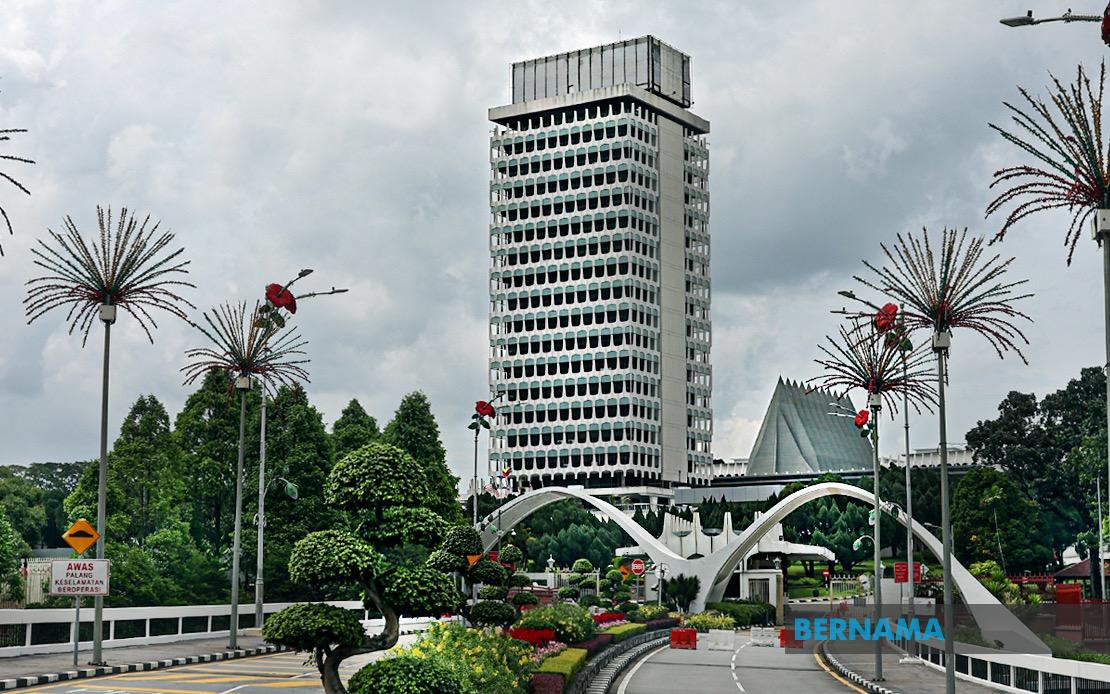
Malaysia's Parliament is turning its attention today to three critical areas affecting the nation: the operational rollout of the Online Safety Act 2025, the safety environment within schools, and targeted relief measures for small businesses struggling with international logistics challenges. The legislative and policy agenda reflects contemporary pressures facing Malaysian society, from digital governance to educational security and economic resilience in volatile regional conditions.
Parliamentary scrutiny of the Online Safety Act 2025 will centre on the development of 10 subsidiary instruments—regulations and guidelines—that will provide the operational framework for this landmark legislation. Rodziah Ismail from the Pakatan Harapan coalition representing Ampang will press the Communications Minister for transparency on these mechanisms, seeking clarity on their regulatory objectives, specific provisions, jurisdictional scope, and current implementation progress. This line of questioning is crucial for stakeholders in Malaysia's digital ecosystem, from telecommunications providers to content platforms and civil society organisations, all of whom require certainty about compliance obligations and enforcement procedures. The subsidiary instruments will ultimately determine whether the Online Safety Act functions as an effective consumer protection measure or becomes a source of regulatory confusion and inconsistent application across the industry.
Educational security emerges as another priority for lawmakers today. Roslan Hashim from Perikatan Nasional representing Kulim Bandar Baharu will interrogate the Education Minister on safeguarding mechanisms within schools across the country. His questions will focus on institutional measures designed to prevent accidents, eliminate bullying dynamics, and address other emerging threats to pupil wellbeing. This inquiry reflects growing parental and community concerns about the adequacy of protective frameworks within educational settings. School safety extends beyond physical infrastructure to encompassing behavioural management systems, mental health support, and inclusive school cultures that prevent marginalisation of vulnerable students. The parliamentary discussion will likely reveal whether current protocols match international standards and whether resource allocation permits consistent implementation in both urban and rural educational institutions.
Economic hardship stemming from prolonged instability in West Asia has created urgent pressure on Malaysia's small business sector. Datuk Andi Muhammad Suryady Bandy from the Barisan Nasional coalition in Kalabakan will request the Finance Minister outline immediate interventions targeting micro-entrepreneurs, hawkers, and micro, small and medium enterprises confronting escalating logistics expenditure and fractured supply chains. For Malaysian traders, particularly those dependent on imports or regional distribution networks, the West Asian crisis has created acute operational challenges. Rising shipping costs, delayed deliveries, and insurance premiums have compressed profit margins while forcing difficult decisions about inventory management and customer pricing. Government support mechanisms—whether through subsidised financing, temporary import duty relief, or logistics coordination schemes—could determine whether these enterprises survive the downturn or collapse, with significant consequences for employment and local economic vitality.
The parliamentary agenda also includes infrastructure developments affecting regional connectivity. Datuk Seri Dr Wee Ka Siong from the Barisan Nasional coalition representing Ayer Hitam will seek updated information on the Johor Elevated Autonomous Rapid Transit project, signalling continuing government commitment to transport modernisation in the crucial southern corridor. The E-ART initiative represents Malaysia's ambition to integrate autonomous transit technology into urban infrastructure, though questions about cost management, timeline adherence, and integration with existing transport networks remain relevant parliamentary scrutiny points.
Road safety policy implementation will receive parliamentary examination when Zakri Hassan from Perikatan Nasional in Kangar questions the Works Minister on enforcement justifications for recently implemented road safety measures. Parliamentary oversight of such operational policies ensures that safety innovations receive adequate explanation regarding their necessity, proportionality, and effectiveness in reducing accident rates and fatalities. Without public understanding of the rationale behind road safety interventions, compliance rates may suffer and community support for enforcement activities may diminish.
Healthcare equity in Malaysia's regional states represents another concern. Datuk Shahelmey Yahya from Barisan Nasional representing Putatan will ask the Health Minister to assure Parliament that fiscal adjustment policies at the national level will not compromise healthcare delivery standards or facility development in Sabah. This question reflects legitimate concerns about potential resource reallocation during budgetary constraints, particularly affecting regions with already-strained healthcare infrastructure. Ensuring equitable distribution of health resources across Malaysia's states remains a constitutional and moral imperative, especially for populations in peripheral regions.
The cybersecurity dimensions of emerging social media regulation will be addressed by Riduan Rubin, an Independent member representing Tenom, who will question the Home Affairs Minister on national cybersecurity risk assessments should Malaysia implement a minimum age requirement of 16 for social media access. This inquiry recognises that age-restriction policies generate cybersecurity implications extending beyond simple regulatory compliance, including potential vulnerabilities to identity fraud, regulatory arbitrage by platform users, and cross-border data protection complications. Comprehensive cybersecurity risk assessment must precede implementation of such policies to prevent unintended security consequences.
Parliament will also address competition law evolution through the tabled Competition (Amendment) Bill 2026, to be presented by the Minister of Domestic Trade and Cost of Living for second reading. This legislative initiative signals government intentions to refine Malaysia's competition framework, potentially affecting market structures and business conduct across diverse sectors. The parliamentary process will reveal whether amendments strengthen enforcement mechanisms, modernise definitions of anti-competitive conduct, or adjust remedial powers to address contemporary market dynamics in the digital economy era.
The parliamentary sitting schedule demonstrates sustained engagement with interconnected policy challenges facing Malaysian society. From digital governance through educational protection to business resilience and infrastructure development, today's parliamentary agenda illustrates how diverse policy domains interconnect within a nation managing rapid technological change, regional geopolitical turbulence, and demographic evolution. The Dewan Rakyat's continued oversight of executive implementation across these domains reinforces institutional accountability mechanisms essential for democratic governance in a complex modern economy.

