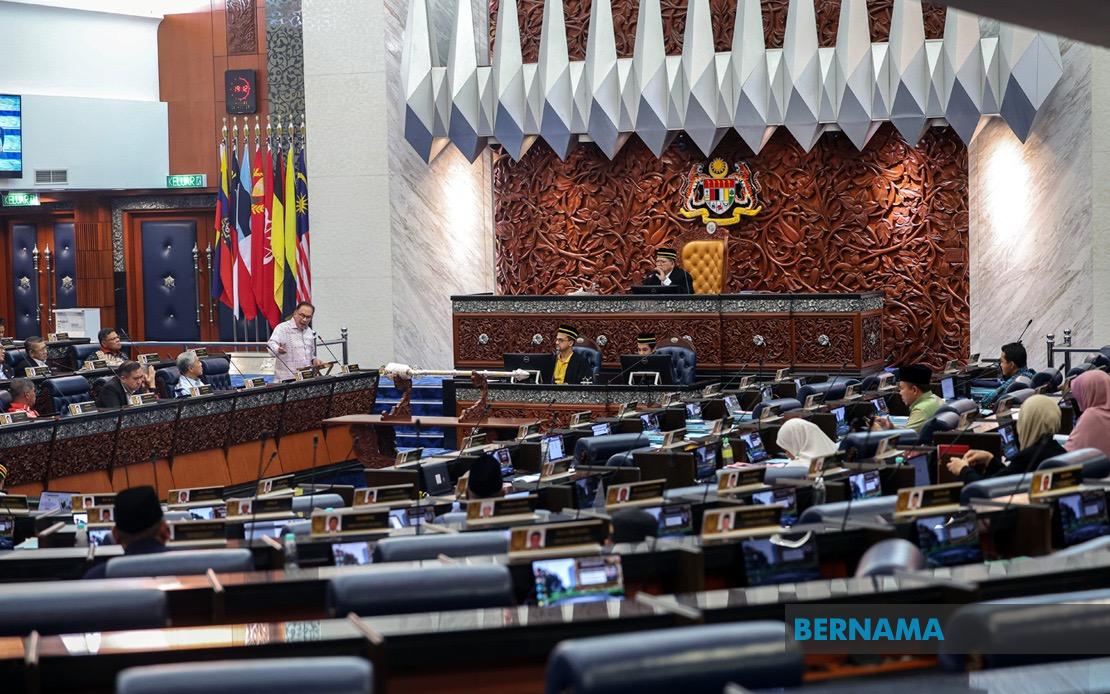
Parliament descended into debate on the Sexual Offences Against Children (Amendment) Bill 2026 on June 29, with lawmakers from across the political spectrum united in their determination to tighten Malaysia's defences against predators who exploit minors. The legislative push reflects growing concern that existing frameworks contain gaps vulnerable to abuse, particularly by offenders who operate across borders or exploit digital platforms with relative impunity.
The amendment to the Sexual Offences Against Children Act 2017 represents an effort to remove jurisdictional barriers that currently prevent Malaysian authorities from pursuing perpetrators whose crimes occur outside national territory. This territorial limitation has long troubled law enforcement agencies, who argue that sophisticated offenders deliberately situate themselves in jurisdictions with weaker child protection regimes to evade accountability. By expanding Malaysia's legal reach, the revised legislation aims to close this dangerous loophole and establish that nationality and location offer no refuge to those who harm children.
Abd Ghani Ahmad, representing PN-Jerlun, emphasized the necessity of deploying Malaysia's Mutual Legal Assistance framework and extradition mechanisms more aggressively. His intervention highlighted how international cooperation remains underutilized despite its critical importance in an era when predators routinely operate across continents. He argued that enhanced coordination between the Royal Malaysia Police, Immigration Department, Attorney-General's Chambers, Department of Social Welfare, hospitals, and schools would create an integrated enforcement ecosystem capable of preserving digital evidence and accelerating prosecutions. This multi-agency approach acknowledges that child protection transcends any single institution's mandate.
GPS member Datuk Seri Doris Sophia Brodi advanced the proposal for a dedicated task force focused specifically on digital sexual crimes affecting children. Such specialization matters because online exploitation operates according to fundamentally different patterns than physical abuse—criminals employ grooming techniques, distribute material across encrypted channels, and maintain anonymity through technological means. A task force staffed with specialists in cybercrime, child psychology, and digital forensics would represent a qualitative upgrade from generalist units struggling to keep pace with technological innovation. Brodi also advocated for preventive education, particularly initiatives equipping parents and educators to recognize the early warning signs of online grooming and to intervene before exploitation escalates.
Victim support emerged as another priority throughout the parliamentary session. Brodi insisted that apprehension and prosecution, while necessary, cannot constitute the endpoint of Malaysia's response. Survivors require psychological counseling, financial assistance to cover treatment costs, legal protection safeguarding their identity and dignity, and comprehensive long-term recovery programmes. The current system often leaves victims traumatized and unsupported once cases conclude, perpetuating cycles of psychological damage that extend into adulthood.
Datuk Mas Ermieyati Samsudin, PN-Masjid Tanah, crystallized these concerns by proposing both structural and resource solutions. Her call for establishment of a specialized prosecution unit reflects recognition that child sexual abuse cases demand prosecutors with particular expertise in trauma-informed interviewing, digital evidence handling, and the psychological dynamics of abuse. Complementing this, she proposed expanding the cadre of child psychology specialists within public facilities and creating a dedicated fund enabling victims to access psychological treatment and rehabilitation services without financial hardship. The specificity of these proposals indicates that parliamentary frustration extends beyond abstract commitment to concrete resource constraints.
The risk that Malaysia becomes an attractive jurisdiction for international offenders particularly alarmed Mas Ermieyati. She articulated a legitimate concern that without consistent, vigorous enforcement, predators might deliberately situate themselves in Malaysia or target Malaysian children, viewing the nation as a soft target relative to countries with demonstrably tougher enforcement regimes. This perception, whether accurate or not, creates a genuine national security challenge requiring visible, consistent demonstration of legal consequences.
RSN Rayer, representing PH-Jelutong, reinforced the need for strengthened domestic capacity alongside expanded jurisdiction. He advocated for expanding investigative teams dedicated to child sexual crime cases, reasoning that expanding legal authority without corresponding investigative resources merely transfers empty powers. Young Syefura Othman extended this thinking by proposing a national child sexual offender registry modifiable and accessible by enforcement agencies and child-serving institutions including schools, daycare centres, and welfare homes. Such registries exist globally and serve as practical tools preventing known offenders from gaining access to vulnerable populations.
Syefura's proposal for mandatory background checks across all organizations serving children—encompassing welfare homes, nurseries, kindergartens, religious institutions, sports clubs, and tahfiz centres—acknowledges that predators exploit institutional trust relationships. Comprehensive screening requirements would prevent individuals with documented sexual offense histories from occupying positions granting them access to minors. Though administratively burdensome, such measures represent standard practice in developed nations recognizing that institutional negligence can enable repeat offences.
The converging recommendations from twenty-six participating lawmakers suggest parliamentary recognition that child protection demands systemic rather than incremental reform. The amendment itself targets jurisdictional constraints, but the surrounding proposals address prevention, investigation, prosecution, and rehabilitation—a holistic framework acknowledging that effective child protection operates across multiple domains. For Malaysia and the broader Southeast Asian region where cross-border trafficking and exploitation networks operate, these measures represent an overdue recalibration of legal and enforcement frameworks toward protecting society's most vulnerable members.

