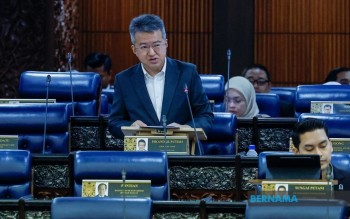
Parliament has taken a significant step toward modernising Malaysia's approach to long-term fiscal management by passing the National Trust Fund (KWAN) Bill 2026 in the Dewan Rakyat today. The legislation represents a watershed moment for the country's intergenerational savings architecture, moving away from the largely discretionary framework that has characterised the fund since its inception nearly four decades ago. Deputy Finance Minister Liew Chin Tong steered the bill through the chamber, where it secured majority support following deliberations by 15 Members of Parliament, signalling broad political consensus on the need for reform.
The KWAN Bill addresses structural weaknesses that have become increasingly apparent as the fund accumulated assets. At the close of 2024, the fund held RM22.43 billion in total assets, a substantial pool of capital intended to benefit future generations. However, the composition of this sum reveals a troubling dependency: Petronas has served as the sole voluntary contributor throughout the fund's 36-year history, channelling RM13.5 billion into KWAN's coffers. This reliance on a single entity, however well-intentioned, undermines the concept of a genuinely collective national savings mechanism and exposes the fund to the operational vicissitudes of any single organisation.
The impetus for legislative reform crystallised around a particularly contentious episode in 2021, when the government withdrew RM5 billion from the fund to address immediate fiscal pressures. The episode triggered public debate about the wisdom of maintaining such substantial liquid reserves without clear constraints on their deployment. Liew's remarks during the parliamentary debate acknowledged this watershed moment, noting that the experience of administering the fund under the old framework had revealed critical gaps requiring statutory intervention. The absence of withdrawal limitations under the previous structure meant that accumulated savings could be rapidly depleted for current expenditure, fundamentally undermining their intended purpose of securing resources for future fiscal challenges.
The new bill establishes three pillars of reform that collectively reshape how Malaysia manages its long-term savings obligations. First, the legislation introduces mandatory statutory contributions, replacing the entirely discretionary system that allowed governments and potential contributors to opt out at will. This statutory obligation ensures that the fund receives consistent injections of capital regardless of prevailing economic conditions or political preferences. Second, the framework now incorporates explicit withdrawal discipline, erecting guardrails against the casual depletion that characterised previous years. Third, the law introduces modernised governance and accountability mechanisms, bringing the fund's administration into alignment with contemporary standards of transparency and institutional oversight.
Central to the reformed framework is the establishment of a 0.1 per cent contribution rate, though Liew was careful to emphasise that this figure represents a minimum threshold rather than a ceiling. The rate's statutory nature means that future governments cannot simply reduce contributions through administrative fiat; any modification requires parliamentary action and deliberate legislative amendment. This constitutional-style protection reflects a recognition that intergenerational savings demand protection against the shifting electoral and budgetary pressures that characterise normal parliamentary cycles. By tying contribution rate changes to the full amendment process, the legislation insulates the fund from the kind of ad-hoc adjustments that could erode its fundamental purpose over time.
For Malaysian policymakers and observers of Southeast Asian fiscal governance, the KWAN Bill represents a maturing appreciation of the challenges posed by demographic change and shifting fiscal structures across the region. Many countries in Southeast Asia face similar pressures: ageing populations, rising healthcare and pension obligations, and the need to fund infrastructure for future generations whilst managing present-day deficits. Malaysia's decision to statutorily mandate intergenerational savings contributions signals a commitment to long-term planning that extends beyond single political cycles. This approach resonates with international best practices in sovereign wealth funds and national savings mechanisms, where predictability and insulation from short-term political pressures enhance effectiveness.
The bill's passage also carries implicit messaging about fiscal discipline and governmental responsibility. The withdrawal episode of 2021, whilst ultimately necessary from an immediate budgetary standpoint, had prompted questions about whether the fund was being managed with sufficient regard for its intergenerational mission. By legislating strict withdrawal protocols, the new framework attempts to create a cultural and legal expectation that KWAN reserves constitute committed capital for future use, not a readily accessible treasury to be tapped during fiscal strain. This distinction between emergency reserves and intergenerational savings is critical for maintaining public confidence in government commitments to long-term planning.
The involvement of Petronas as the sole voluntary contributor warrants further examination within Malaysia's broader fiscal ecology. The corporation's sustained contributions demonstrate recognition among major institutions of the national value inherent in long-term savings. However, the new statutory framework theoretically opens pathways for broader participation among government-linked companies, sovereign wealth vehicles, and potentially other entities with capacity to contribute. Liew's framing of the contribution rate as a minimum suggests openness to greater participation, though the initial bill structures obligations primarily around core government revenue sources.
Parliamentary approval of the KWAN Bill also reflects the broad consensus that Malaysia requires stronger mechanisms for ensuring fiscal sustainability across generations. The 15 Members who participated in debate represented cross-party engagement with the substance of intergenerational savings policy, suggesting that this is not perceived as a narrowly partisan matter but rather as a structural issue affecting the nation's long-term prosperity. Such consensus, where it exists on fiscal matters, tends to reinforce the legitimacy and durability of the underlying policy framework.
The immediate practical implications centre on how the reformed KWAN will operate under its new statutory constraints. The fund will now receive consistent contributions rather than depending on voluntary corporate generosity, whilst governance standards will be elevated to match the expectations attached to institutions managing substantial public resources. Over time, these changes should produce a fund that functions as intended: a reservoir of resources held in trust for Malaysian citizens of future generations, insulated from the budgetary pressures and electoral cycles that characterise contemporary governance.
As Southeast Asia grapples with demographic transitions and the fiscal implications thereof, Malaysia's legislative strengthening of KWAN may serve as a reference point for neighbouring countries considering their own long-term savings architectures. The principle that intergenerational obligations warrant statutory protection rather than administrative discretion has growing resonance across the region, particularly as countries recognise that demographic dividends will inevitably contract. By passing this bill with parliamentary consensus, Malaysia has positioned itself as a regional exemplar of forward-thinking fiscal governance, even as implementation challenges and questions about contribution adequacy will likely emerge in coming years.

