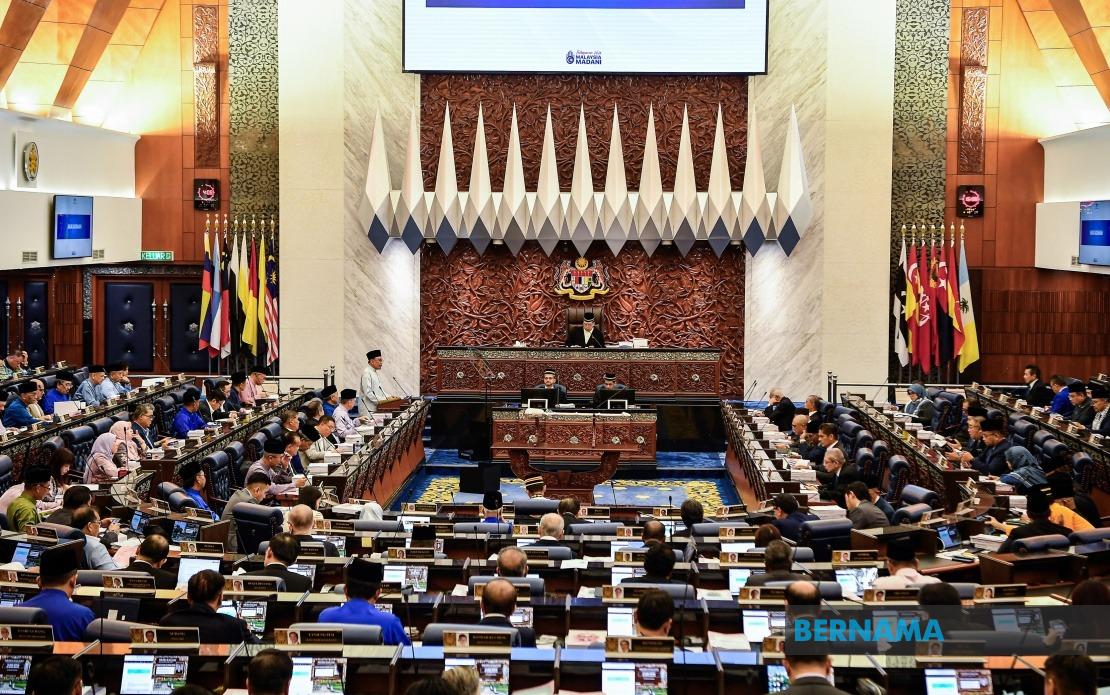
Parliament has given the green light to the Cybercrimes Bill 2026, representing a significant legislative step to address growing digital threats in Malaysia's online ecosystem. The Dewan Rakyat passed the comprehensive measure on July 1 following debate among 48 members from both government and opposition benches, who expressed support across party lines for the modernised cybercrime framework.
The legislation represents one of Southeast Asia's more substantive attempts to grapple with the proliferation of deepfakes and non-consensual intimate imagery created through artificial intelligence and advanced digital manipulation. The 61-clause bill specifically targets offences involving the creation and distribution of artificially generated or substantially altered intimate images, addressing a form of abuse that has grown alongside technological sophistication. This focus reflects regional concerns shared across Southeast Asia about the weaponisation of synthetic media against women and vulnerable individuals.
Deputy Prime Minister Datuk Seri Dr Ahmad Zahid Hamidi used the closing parliamentary debate to address concerns that had surfaced during the bill's passage through various parliamentary committees. He emphasised that the legislation operates within carefully constructed legal boundaries and does not vest unfettered authority in law enforcement agencies. Crucially, he stated that the bill does not supersede or diminish existing legislation, including the Official Secrets Act 1972, but rather complements the existing legal architecture governing cybercrime and digital offences.
The framework incorporates several procedural safeguards designed to prevent misuse of investigative powers. Authorities seeking to preserve computer data and digital systems cannot act arbitrarily; instead, they must satisfy legal thresholds before such preservation notices take effect. An investigating officer must first establish reasonable grounds that the data is genuinely necessary for their investigation and that there exists genuine risk of deletion, alteration, or destruction if immediate protective measures are not implemented.
When it comes to accessing and disclosing computer-held information, the bill establishes a formal notification requirement. Any disclosure of data can only proceed through written notice to the individual or entity that possesses or controls that information. This mechanism, while enabling investigations into serious cybercrime, provides a documented trail and opportunity for the data holder to understand the scope of the government's request. This structured approach seeks to balance the state's investigative needs against individual privacy interests.
The broad parliamentary support for the bill suggests recognition among Malaysian lawmakers that digital crime represents an evolving threat requiring legislative modernisation. The involvement of opposition members in substantive debate demonstrates that cybersecurity concerns transcend partisan divisions, a notable development in Malaysia's sometimes polarised political environment. The legislation's passage reflects growing awareness that artificial intelligence and sophisticated digital tools create novel forms of harm—particularly gendered violence through deepfake pornography—that existing laws may inadequately address.
For Malaysia's digital economy and society, the bill's approval carries implications beyond criminal justice. Clear legal boundaries around deepfakes and manipulated imagery could provide greater confidence for women and vulnerable groups in participating online. The protection of intimate privacy in digital contexts matters not merely for individual dignity but for broader participation in Malaysia's increasingly digital civic and economic life. Countries that fail to address these issues adequately risk creating environments where digital harassment becomes normalised.
The cybercrimes framework also positions Malaysia alongside other regional economies grappling with synthetic media threats. Singapore, Thailand, and Indonesia have all undertaken legislative initiatives addressing deepfakes and related harms, though approaches and severity of penalties vary considerably. Malaysia's particular emphasis on procedural safeguards and checks-and-balances suggests a deliberate approach to resisting potential surveillance overreach while still addressing genuine digital crimes.
Implementation will now become critical. The effectiveness of any cybercrime legislation depends significantly on how enforcement agencies interpret and apply its provisions, how prosecutors prioritise cases, and whether courts apply penalties consistently. Malaysian stakeholders, including civil society organisations focused on digital rights, will likely monitor early enforcement patterns closely to ensure the law's safeguards against abuse remain meaningful in practice.
The bill's passage also reflects Malaysia's position within regional and international conversations about digital governance. As Southeast Asia experiences rapid technological adoption and integration into global digital networks, regulatory approaches here influence broader regional norms. Malaysia's choice to embed privacy protections and procedural limits into its cybercrimes legislation signals an attempt to chart a middle path—strengthening law enforcement capacity against genuine digital threats while maintaining democratic guardrails.

