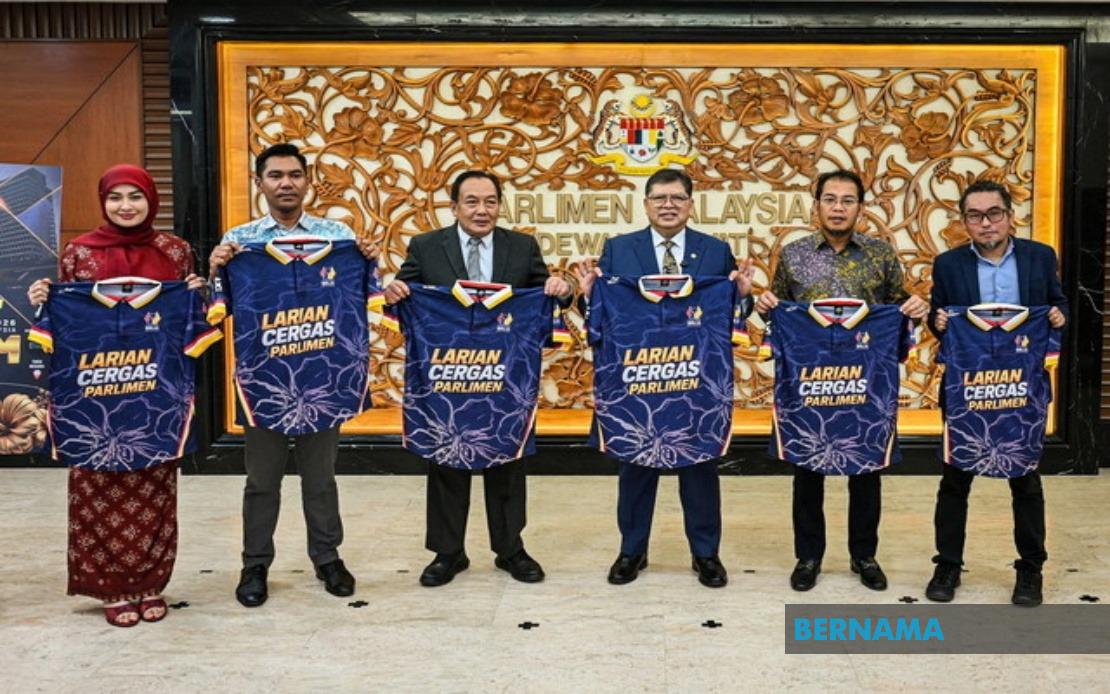
Parliament is set to stage its inaugural 'Larian Cergas Parlimen' fun run on July 25, marking a significant initiative to tackle growing health concerns among elected representatives and foster wellness awareness across the nation. Dewan Rakyat Speaker Tan Sri Datuk Dr Johari Abdul unveiled the programme at Parliament, with the Malaysian Youth Parliament secretariat coordinating the event. The endeavour reflects mounting concern about the physical wellbeing of legislators, whose demanding schedules often overshadow personal fitness commitments, creating a visible public health challenge at the highest levels of government.
The five-kilometre route will commence from the Parliament building and traverse several iconic national landmarks, including Tugu Negara, before returning to Parliament. This scenic pathway symbolises the journey lawmakers are taking towards healthier lifestyles and serves as a tangible demonstration of their commitment to wellness values. By selecting prominent national monuments as part of the course, organisers have transformed what could have been a routine sporting event into a celebration of Malaysian heritage and national identity, creating multiple photographic and symbolic moments that reinforce the message of parliamentary leadership in health promotion.
Johari emphasised that the initiative aims to position members of both the Dewan Negara and Dewan Rakyat as influential advocates for healthy living, particularly among younger generations who often view politicians with scepticism. This positioning is strategic: when public figures visibly participate in fitness activities, they normalise wellness as a priority and demonstrate that leadership extends beyond legislative chambers into personal responsibility. The Speaker's framing reflects an understanding that national health outcomes depend significantly on cultural shifts that trickle down from visible role models.
Recent years have witnessed concerning health incidents affecting parliamentarians, prompting institutional reflection on the toll of political life. The intensity of legislative sessions, committee work, constituency demands, and media scrutiny creates a lifestyle that frequently prioritises political demands over personal wellbeing. Several MPs have faced serious health challenges, sparking broader discussions about work-life balance in Parliament. This fun run directly addresses these institutional vulnerabilities by creating dedicated space for physical activity and wellness within the parliamentary calendar.
The event's focus on engaging young people represents a forward-thinking public health strategy. Malaysia faces escalating obesity and lifestyle disease rates, particularly among youth populations transitioning to sedentary professional lives. By having parliamentarians visibly champion fitness, the initiative attempts to create cultural legitimacy around health consciousness among demographics that might otherwise dismiss fitness messaging as disconnected from their realities. When a Member of Parliament crosses the finish line, it sends a powerful signal that wellness matters at every career stage and social level.
The fun run remains open to the general public, transforming what could have been an exclusive parliamentary affair into a community engagement opportunity. This inclusive approach deepens the programme's reach and demonstrates Parliament's willingness to interact with constituents in informal, health-focused settings rather than purely through formal legislative mechanisms. Public participation also creates accountability: lawmakers cannot credibly advocate for healthy lifestyles while remaining physically removed from community fitness activities.
Johari articulated aspirations for the programme's expansion beyond the capital, envisioning similar fun runs at state legislative assemblies throughout Malaysia. This decentralisation strategy would embed health promotion into regional political cultures and create cascading wellness initiatives across the nation's parliamentary hierarchy. State assemblymen and women could replicate the model within their constituencies, fostering networks of politically-endorsed health advocacy that reaches smaller towns and rural areas typically underserved by wellness programming.
The Malaysian Youth Parliament secretariat's coordination role positions youth at the centre of this health initiative, acknowledging that intergenerational engagement strengthens both wellness messaging and democratic participation. Young people increasingly view political institutions as disconnected from contemporary concerns, and initiatives like fitness events provide alternative entry points for civic engagement. When youth witness older parliamentarians committing to fitness goals, it challenges stereotypes and creates space for more meaningful dialogue about health, climate, and social responsibility.
From a regional perspective, Malaysia's parliamentary health initiative carries implications for Southeast Asian governance more broadly. As middle-income nations throughout the region grapple with rising lifestyle diseases and sedentary political cultures, the 'Larian Cergas Parlimen' model offers a replicable framework. Thailand, Indonesia, and the Philippines face similar parliamentary health challenges, suggesting that knowledge-sharing about wellness institutionalisation could benefit the entire region's political leadership and public health outcomes.
The timing of this initiative, launched in July with the run scheduled for July 25, positions it as an early-season wellness marker that could establish momentum for sustained parliamentary health programmes. Rather than a one-off public relations exercise, the stated intention to expand nationwide suggests institutional commitment to transforming parliamentary culture around fitness and wellbeing. This represents a subtle but significant shift in how political institutions view their responsibility to model behaviours they expect from the broader population.
Implementation details, including registration processes and course logistics, remain forthright, with organisers providing clear pathways for public participation. This transparency demonstrates accessibility and removes barriers that might discourage participation from various demographic groups. Whether this inaugural event successfully catalyses broader institutional change in parliamentary wellness culture will depend significantly on sustained commitment from leadership and the extent to which participation becomes normalised rather than novelty.

