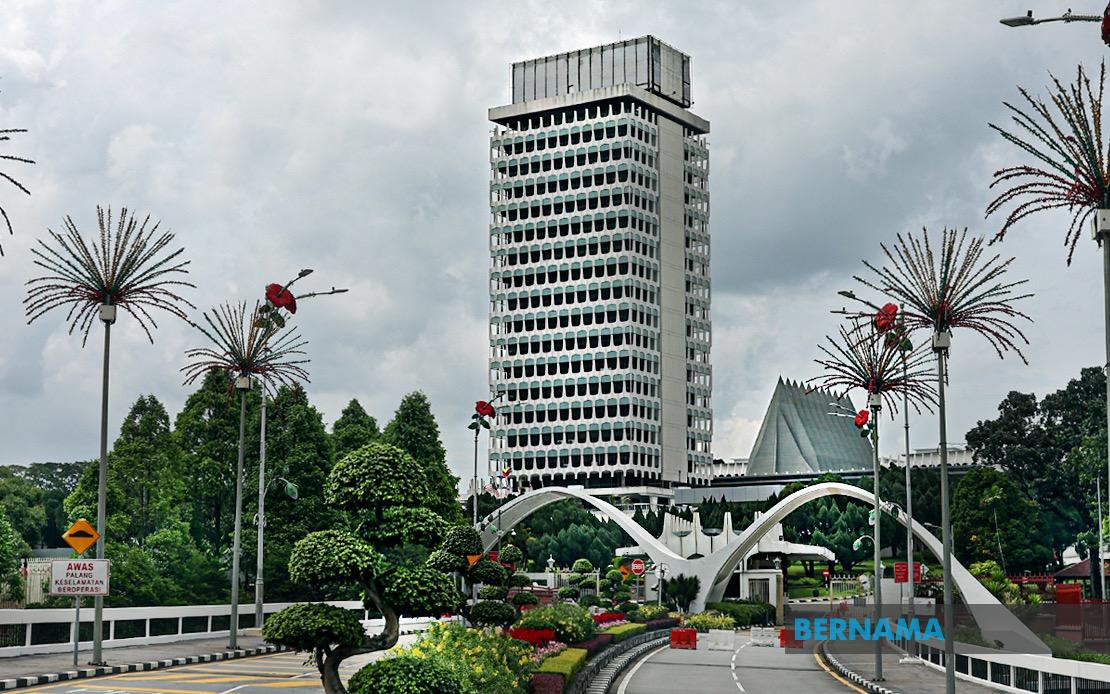
Parliament reconvened on July 1 with a legislative agenda addressing structural reforms to Malaysia's human rights framework and growing public anxiety over the disconnect between headline inflation statistics and the day-to-day reality of household expenses. The 16-day session of the Dewan Rakyat, running until July 16, will tackle these pressing issues through parliamentary questioning and new legislation, signalling recognition from multiple political blocs that current economic metrics may not fully capture the pressure facing ordinary Malaysian families.
The proposed amendments to the Human Rights Commission of Malaysia (SUHAKAM) Act 1999 represent an attempt to fundamentally reshape how the independent body finances its operations. Currently, SUHAKAM relies entirely on government budget allocations, a dependency that critics argue may constrain its investigative capacity and institutional autonomy. Teresa Kok Suh Sim, the Seputeh MP from the Pakatan Harapan coalition, has submitted a question asking whether the government intends to permit SUHAKAM to establish revenue streams through training programmes and educational courses. Such a move would ostensibly allow the commission greater financial flexibility and reduce political pressure from budgetary cycles, though the proposal also raises questions about the potential commercialisation of a human rights body and whether fee-generating activities might distract from core enforcement mandates.
The examination of this Act comes at a time when Malaysia's human rights record faces scrutiny from international observers and domestic civil society organisations. Granting SUHAKAM additional revenue-raising powers could strengthen its capacity to mount comprehensive investigations into alleged abuses, conduct public education initiatives, and maintain operational continuity independent of annual parliamentary appropriations. However, the move also represents a pragmatic acknowledgement that government funding for human rights oversight remains politically contentious, and alternative financing mechanisms may be necessary to insulate the institution from budgetary pressures that could compromise its independence.
Equally significant is the parliamentary focus on the widening chasm between official inflation figures and the cost-of-living crisis experienced by Malaysian households. Mohd Syahir Che Sulaiman, a Perikatan Nasional backbencher from Bachok, has tabled a question to the Economy Minister seeking clarification on how the government assesses this divergence and what mechanisms ensure that economic growth translates into improved purchasing power for ordinary citizens. This question reflects frustration across the political spectrum at the apparent disconnect between macroeconomic indicators showing positive growth and the visceral experience of ordinary Malaysians struggling with grocery bills, transport costs, and housing affordability.
The inflation-versus-living-costs debate touches on a fundamental credibility issue for policymakers. Official inflation rates, typically measured through consumer price indices tracking a standardised basket of goods, may not accurately reflect spending patterns of lower and middle-income households, who allocate disproportionate shares of their budgets to food, fuel, and utilities—categories experiencing particularly acute price pressures in recent years. A household earning RM3,000 monthly and spending 60 per cent on essentials experiences cost-of-living inflation very differently from a higher-income household with greater discretionary spending. The question implicitly challenges whether government economic metrics adequately capture this lived reality or whether policymakers are operating with incomplete information about economic hardship.
Education policy also featured prominently in the parliamentary agenda, with Datuk Dr Ku Abd Rahman Ku Ismail questioning the Higher Education Minister about the balance between STEM and non-STEM enrolments in Malaysian universities. This query reflects ongoing concerns about whether Malaysia's education system is adequately preparing graduates for high-technology industries and whether the current distribution of students across disciplines aligns with projected labour market demands. As Southeast Asia's technology sector accelerates and manufacturing becomes increasingly sophisticated, the engineering and STEM professional pipeline carries strategic importance for Malaysia's long-term competitiveness and middle-income trap escape.
Urban planning and climate resilience also emerged as legislative priorities, with V. Ganabatirau questioning the Prime Minister on the status of land transfer reviews involving flood retention ponds, particularly in Kuala Lumpur. This inquiry addresses the tension between urban densification and environmental protection, a challenge increasingly urgent as Malaysia experiences more extreme weather events. The question suggests parliamentary concern that land-use changes may be jeopardising critical flood mitigation infrastructure, with potential consequences for urban residents and property values in the capital region.
Another significant development on the parliamentary calendar is the tabling of the Cybercrime Bill 2026 for second reading. This legislation arrives at a moment of heightened concern about digital threats, from organised online fraud targeting elderly Malaysians to state-sponsored disinformation campaigns and ransomware attacks on critical infrastructure. The bill will likely generate substantial debate about balancing cybersecurity imperatives with digital privacy protections and freedom of expression—perennial tensions in Malaysian technology law that pit security concerns against civil liberties.
The convergence of these issues—human rights institutional reform, economic measurement credibility, education sector alignment, environmental protection, and cybersecurity—reflects a parliament grappling with multiple dimensions of Malaysia's development challenges. Whether parliamentary questioning and new legislation can effectively address these systemic issues depends partly on government responsiveness and partly on whether the underlying problems are primarily technical—requiring better data, coordination, and implementation—or structural, reflecting deeper contradictions in Malaysia's economic model and social contract.
The session occurs against a backdrop of persistent public concern about whether Malaysia's ruling institutions are genuinely responsive to citizen grievances or whether parliamentary processes have become performative exercises that generate minimal real-world policy change. The questions tabled across party lines suggest recognition that economic anxiety, institutional independence, educational preparedness, and digital safety are genuinely felt concerns rather than niche policy debates. How effectively the government addresses these parliamentary inquiries may significantly influence public confidence in democratic institutions and economic management capacity heading into the remainder of 2024 and beyond.

