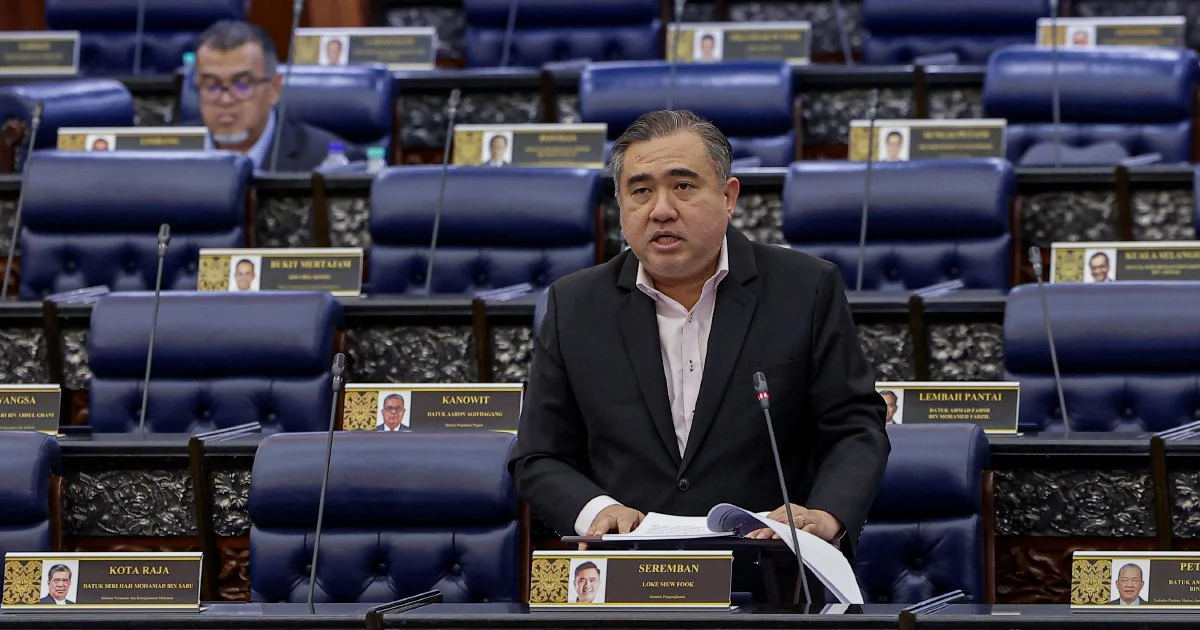
The Dewan Rakyat has successfully passed the Road Transport (Amendment) Act 2026, a legislative step that signals the government's renewed commitment to strengthening the country's road safety enforcement framework. The amendment enhances the regulatory machinery available to transport authorities under the foundational Road Transport Act 1987, which has governed Malaysian vehicle regulations and road safety standards for nearly four decades.
This legislative development comes at a crucial juncture for Malaysia's road safety performance. The nation has consistently grappled with high traffic fatality rates compared to neighbouring countries, with fatal accidents and serious injuries remaining persistent challenges on Malaysian highways and urban roads. By reinforcing enforcement mechanisms and expanding regulatory powers, the government aims to create a more responsive framework capable of addressing modern road safety threats that have evolved significantly since the original legislation was drafted in 1987.
The amendment represents an acknowledgment that the existing regulatory architecture, while foundational, requires modernisation to keep pace with contemporary transportation challenges. Over the past three decades, the Malaysian road network has undergone substantial transformation with increased vehicle density, technological advancement in automobiles, and changing traffic patterns in both urban and rural areas. The previous regulatory framework, while adequate for its time, lacked sufficient flexibility to address emerging issues such as the proliferation of ride-sharing services, the integration of new vehicle technologies, and the evolving nature of traffic violations.
Stronger enforcement powers granted under this amendment will enable the Road Transport Department and related agencies to take more decisive action against traffic offenders and non-compliant operators. The enhanced regulatory framework provides authorities with additional tools to monitor vehicle standards, conduct inspections, and implement penalties that serve as genuine deterrents rather than mere administrative formalities. This is particularly significant for commercial transport operators, including bus and lorry companies, where safety compliance directly impacts public welfare.
The legislative amendment also reflects broader regional trends in Southeast Asia, where several neighbouring countries have modernised their road safety frameworks in recent years. Singapore, Thailand, and Indonesia have all undertaken comprehensive reviews of their transport regulations, recognising that outdated legislative structures often fail to address contemporary safety challenges effectively. Malaysia's move positions the country alongside these regional peers in acknowledging that legislative modernisation is essential for public safety outcomes.
For Malaysian drivers and road users, this amendment carries practical implications that extend beyond bureaucratic processes. Enhanced enforcement capabilities may translate into more visible police presence on highways, stricter adherence to vehicle maintenance standards, and potentially more rigorous testing and licensing procedures. Commercial operators may face increased compliance costs, but these should ultimately benefit consumers through improved safety standards in public transport services. However, the effectiveness of any enforcement regime depends heavily on adequate resource allocation and training of enforcement personnel.
The business community, particularly those operating in the transport and logistics sectors, will need to adjust their compliance strategies to align with the strengthened regulatory requirements. Companies that have previously operated with minimal adherence to safety standards may face increased operational scrutiny and financial penalties. Conversely, operators who maintain high safety standards will likely benefit from a more level playing field where non-compliant competitors face genuine consequences for violations.
The amendment also carries implications for insurance companies and vehicle manufacturers operating in Malaysia. Enhanced regulatory standards may influence premium calculations and vehicle design choices, as manufacturers become subject to more rigorous safety compliance requirements. Insurance providers may adjust their risk assessments based on improved road safety outcomes that could potentially emerge from stricter enforcement of traffic regulations and vehicle standards.
International observers of Malaysian policy will view this amendment as part of a broader pattern of legislative refinement aimed at modernising the country's governance frameworks. The transport sector, being fundamental to economic activity and public welfare, serves as a critical indicator of government willingness to update outdated legislation that no longer serves contemporary needs effectively. The successful passage of this amendment demonstrates parliamentary consensus on the necessity of road safety improvements.
Looking forward, the true measure of this amendment's success will rest upon implementation quality. Legislative passage is merely the initial step; the actual impact on road safety outcomes depends on how effectively authorities utilise the new powers, whether adequate resources are allocated to enforcement agencies, and how consistently penalties are applied across all categories of road users and operators. Public awareness campaigns will likely accompany the implementation to ensure that road users understand the implications of enhanced enforcement.
The Road Transport (Amendment) Act 2026 represents a meaningful if incremental step toward addressing Malaysia's persistent road safety challenges. While legislation alone cannot transform road safety culture, it provides the necessary legal foundation for authorities to act decisively against non-compliance and dangerous practices. The amendment opens possibilities for the development of more sophisticated enforcement strategies that could eventually reduce traffic fatalities and injuries significantly across the nation.