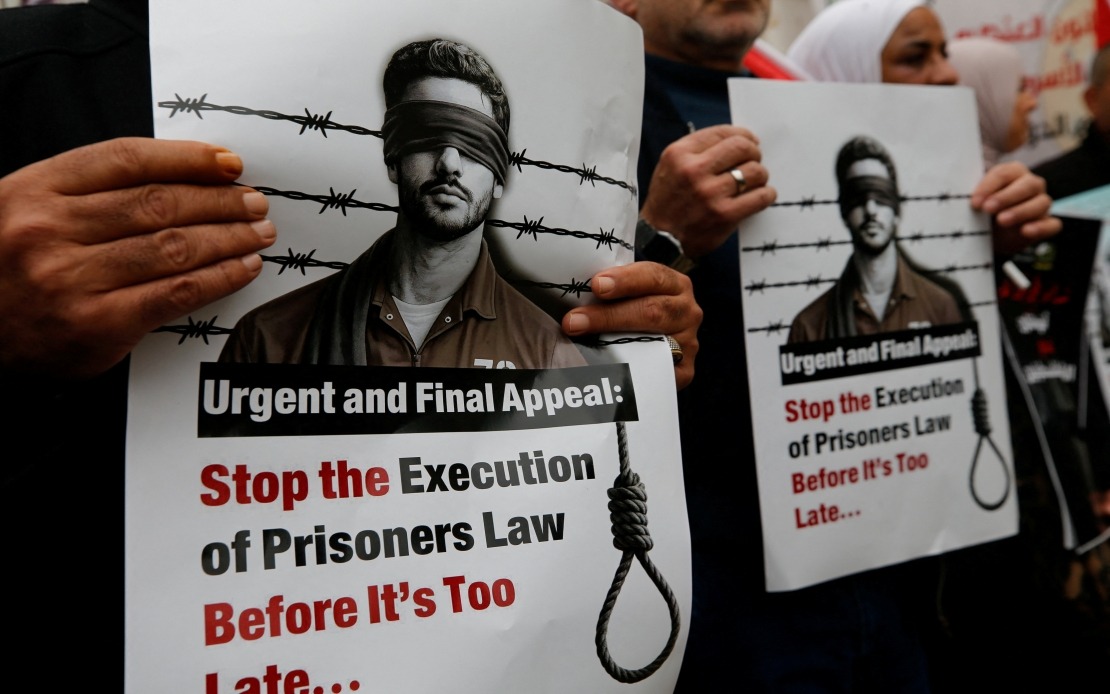
The Palestinian government has released a comprehensive situation report alleging widespread and systematic human rights violations against Palestinian detainees held in Israeli facilities, presenting detailed documentation of what it characterizes as torture, cruel treatment, and systematic denial of medical care. The Situation Report #92, issued by the Prime Minister's Office on June 30, covers the period from June 22 to 29, 2026, and represents the latest in a series of formal grievances filed by Palestinian authorities regarding the treatment of their nationals in custody.
According to the report, Palestinian prisoners' institutions have catalogued numerous forms of physical and psychological abuse allegedly perpetrated by Israeli occupation authorities. These documented cases include beatings, extended stress positions, electrocution, deliberate sleep deprivation, starvation rations, and sexual violence. Beyond these acute abuses, the report alleges that the broader prison environment itself violates humanitarian standards, characterized by insufficient food and water supplies, deliberate disease transmission through unsanitary conditions, and systematic obstruction of necessary medical treatment. Such allegations, if substantiated, would represent significant departures from international detention standards enshrined in the UN Convention Against Torture and the Geneva Conventions.
The scale of detention operations described in the report is substantial. Palestinian authorities assert that more than 3,376 administrative detainees—individuals held without formal charges or trial—remain incarcerated within Israeli facilities. This figure excludes approximately 360 Palestinian children in detention, indicating that minors comprise a notable portion of the detained population. Combined with other detainee categories, the report documents more than 9,500 total Palestinian prisoners held across the West Bank, including occupied Jerusalem, raising questions about the detention capacity and operational scope of the Israeli prison system in these territories.
The report presents particularly grave allegations concerning three pregnant Palestinian women currently in detention. According to Palestinian documentation, these women face starvation conditions, systematic humiliation, intense interrogation procedures, forced strip searches, and denial of prenatal healthcare. These claims, if accurate, would represent violations of protections specifically afforded to pregnant detainees under international humanitarian law, which mandates humane treatment and access to adequate medical care. The vulnerability of pregnant detainees has long been flagged by human rights organizations as a critical concern in conflict-affected regions.
Beyond the immediate period covered by the report, Palestinian authorities document long-term consequences for released detainees. The report states that hundreds of formerly detained individuals suffer severe physical and psychological trauma following their release, with some dying shortly after regaining freedom due to injuries sustained during detention. This pattern of post-release mortality and morbidity, if documented systematically, would indicate that detention conditions have caused lasting physiological and psychological damage extending beyond the period of incarceration itself.
The report provides a broader casualty assessment since the escalation of violence in early October 2023. According to Palestinian figures, at least 73,054 Palestinians have been killed in Gaza, including 21,638 children, with 173,480 others wounded. The West Bank, including occupied Jerusalem, has experienced 1,175 Palestinian deaths including 246 children, and 12,919 injured as of June 22. Additionally, the report documents 11,200 Palestinians reported missing, over 1,700 healthcare workers killed, and 262 journalists and media workers deceased. These figures, compiled by Palestinian authorities, represent their accounting of the human toll across the territories and should be understood within the context of competing claims and casualty assessments from various sources.
The report documents security incidents across the West Bank during a single week from June 22 to 28, noting 362 military assaults by the Israeli army, 47 shooting incidents excluding airstrikes, and 114 incidents attributed to settler terror attacks. This enumeration of weekly violence illustrates the ongoing security tensions characterizing the West Bank environment and suggests a pattern of frequent armed confrontations and civilian security threats that extends beyond detention-related concerns.
Parallel to its human rights documentation, the Palestinian Cabinet has advanced a domestic governance and financial reform agenda aimed at strengthening institutional capacity. President Mahmoud Abbas approved amendments to the Value Added Tax law, enabling comprehensive institutional development within the Ministry of Finance and establishment of a Higher Council for Public Revenues. These financial management reforms seek alignment with international standards, improved tax compliance, and enhanced fiscal sustainability—measures intended to strengthen the government's capacity to deliver essential services to its population.
The Cabinet further endorsed digital transformation initiatives across multiple sectors. Approval of the General Policy for the Telecommunications and Information Technology Sector (2026–2028) reflects ambitions to accelerate digitalization of government services and enhance digital governance infrastructure. In the healthcare domain, replacement of paper insurance cards with smart card systems represents modernization intended to improve data security while enabling future expansion of digital health services. These parallel institutional developments suggest Palestinian authorities are attempting to strengthen governance systems concurrently with their documentation of security and human rights concerns.
For Malaysian and Southeast Asian observers, the Palestinian situation presents several dimensions of concern. The detention practices alleged in the report align with longstanding concerns raised by international human rights bodies and reflect broader patterns documented in protracted conflicts. The scale of detentions without trial, particularly involving minors and pregnant women, raises questions about due process and humanitarian protections that resonate across the region. Additionally, the documented civilian casualties and security incidents illustrate the ongoing humanitarian dimensions of the Israeli-Palestinian conflict, which continues to shape international relations and regional stability considerations affecting ASEAN member states and their foreign policy positions.

