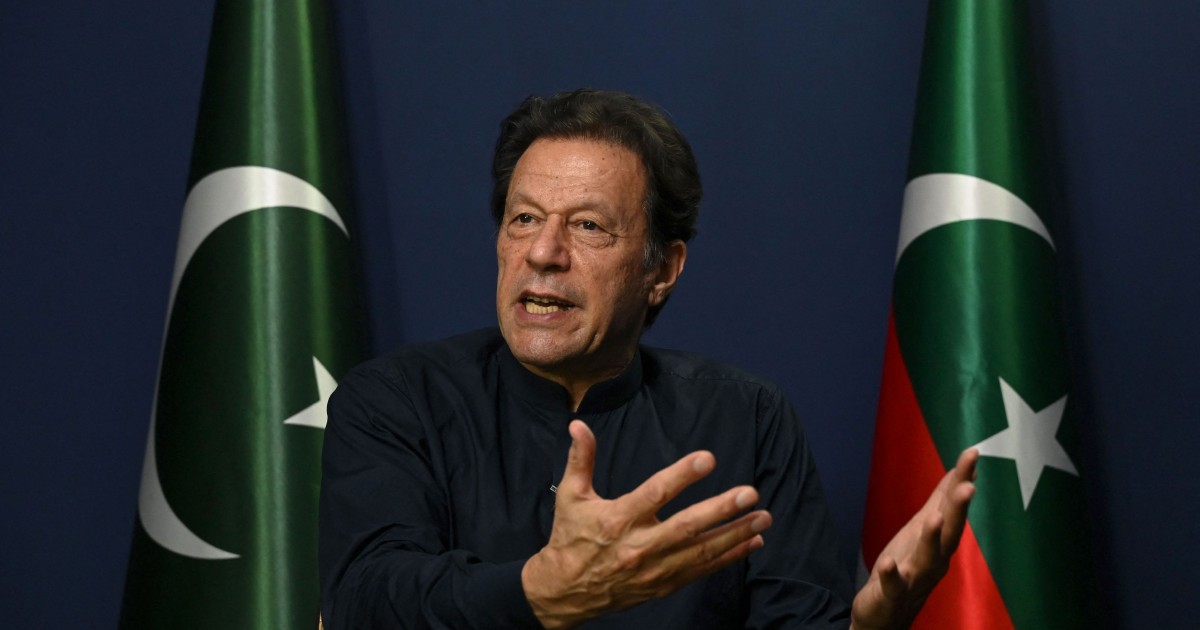
Pakistan's Supreme Court issued a directive on Tuesday requiring that former Prime Minister Imran Khan be relocated from his current jail facility to a hospital, according to an announcement from his Pakistan Tehreek-e-Insaf party. The judicial order represents a significant development in a case that has drawn considerable international attention and generated intense political debate within Pakistan.
The transfer decision follows weeks of mounting pressure from Khan's political party and his family members, who have consistently voiced alarm about the former leader's physical condition while in custody. These concerns had escalated into a focal point for his supporters, who gathered at various locations to protest against what they characterised as inadequate detention conditions. The court's intervention marks a rare instance where the judiciary has directly intervened in matters of custodial care for a prominent political figure.
Imran Khan's legal and political situation has remained highly contentious since his detention. His party has framed the circumstances surrounding his incarceration as politically motivated, a claim that carries particular weight given Pakistan's history of politically selective prosecutions. The transfer to hospital now offers Khan access to better medical facilities and monitoring, though questions remain about the underlying conditions that prompted such health concerns in the first place.
The Supreme Court's order carries symbolic weight beyond the immediate matter of Khan's wellbeing. It demonstrates the willingness of Pakistan's highest judicial authority to scrutinise detention practices and respond to documented health claims, even when involving a politically divisive figure. This judicial assertiveness has implications for how Pakistani authorities handle future cases involving prominent detainees, establishing a precedent that health considerations cannot be entirely subordinated to custodial procedures.
For regional observers monitoring Pakistan's political and judicial dynamics, the development reveals ongoing tensions between the executive branch and the judiciary over power and oversight mechanisms. Southeast Asian readers familiar with similar institutional struggles in their own countries will recognise the familiar pattern of competing institutional interests that often characterises transitional democracies with contested power-sharing arrangements.
The transfer also highlights the international dimension of Khan's case. Pakistan's neighbours and international observers have periodically commented on his detention, making his treatment a matter of concern that extends beyond domestic political circles. By ordering hospital care, the court may be attempting to demonstrate responsiveness to both domestic and international scrutiny regarding due process standards.
Khan's party has portrayed the hospital transfer as vindicating their position that their leader's detention constituted unjust imprisonment. Party members and supporters are likely to use this court order as evidence supporting their broader narrative about political persecution, potentially energising their base ahead of any future electoral contests or political mobilisations.
The practical implications of this transfer require careful consideration. Hospital facilities, while offering better medical care, also present their own set of restrictions and monitoring challenges. The court order does not necessarily imply Khan's full release, but rather a change in the location and conditions of his confinement, a distinction that remains politically and legally significant.
For Malaysia's political observers, Pakistan's handling of high-profile detentions offers instructive comparisons. Both countries grapple with questions about the appropriate balance between judicial independence, executive authority, and the protection of civil liberties when dealing with politically prominent figures. The Pakistani Supreme Court's intervention suggests that institutional checks and balances, though sometimes fragile, can still function in responding to documented concerns about individual rights.
The hospital transfer also raises questions about the medical evidence supporting such a move. While the court has acted on representations regarding Khan's health, the specific nature of his medical condition remains largely undisclosed to the public. This opacity surrounding health claims in politically charged cases is not unique to Pakistan and reflects broader challenges in maintaining medical confidentiality while ensuring transparent governance.
Looking forward, this development may represent a turning point in Khan's legal proceedings. Hospital confinement could facilitate legal proceedings, medical treatment, and potentially provide a pathway toward modified arrangements regarding his detention status. However, the fundamental legal charges against the former Prime Minister remain unresolved, and the hospital transfer addresses only the immediate issue of his confinement conditions rather than the substantive matters underlying his case.
The Pakistan Tehreek-e-Insaf party's satisfaction with the Supreme Court order suggests that at least one strand of institutional pressure has yielded results, though broader political questions surrounding Khan's situation remain contested and unresolved within Pakistani society.

