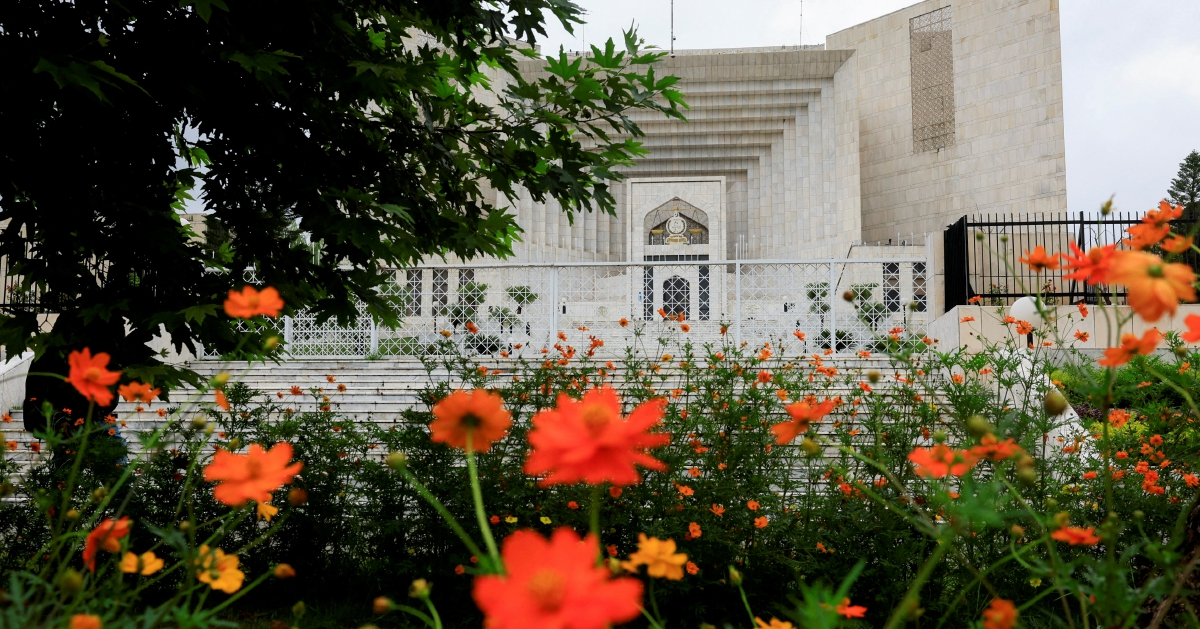
Imran Khan, the cricket icon who transformed into Pakistan's dominant political force, has been moved from custody to a hospital facility for comprehensive medical testing after the country's highest court intervened. The relocation, confirmed by his Pakistan Tehreek-e-Insaf (PTI) party early Friday, represents the latest turn in the legal and political crisis engulfing the nation's most charismatic opposition leader since his detention began months ago.
The Supreme Court's directive underscores mounting concerns within Pakistan's judicial system regarding Khan's health and treatment while imprisoned. The move signals that even Pakistan's highest judges have deemed it necessary to ensure the former premier receives proper medical scrutiny, a development that carries significant implications for the broader political standoff consuming the country.
Khan's incarceration has become one of the defining symbols of Pakistan's internal political turbulence. Since losing his grip on power through what he characterizes as a foreign-backed conspiracy, the politician has maintained substantial grassroots support despite facing multiple criminal charges. His popularity among Pakistan's youth and urban middle class remains remarkably resilient, despite authorities' efforts to sideline him through the legal system.
The hospital transfer occurs against a backdrop of escalating tension between Khan's movement and the country's governing establishment. His imprisonment has sparked repeated clashes between his supporters and law enforcement, with his party organizing demonstrations that have occasionally turned violent. The PTI continues mobilizing its base through social media and street activism, turning the incarceration into a rallying point for its constituency.
Pakistan's political landscape has grown increasingly fractious since Khan's removal from office in April 2022. The transition period has witnessed governmental instability, economic deterioration, and deepening public disillusionment with the political elite. Khan's detention has only intensified these divisions, with international observers noting that his prosecution raises questions about due process and the independence of Pakistan's judicial institutions.
The timing of the Supreme Court intervention reflects possible shifts within Pakistan's power circles. The judiciary's decision to order medical examinations suggests that at least some senior judges harbour reservations about how the detention has been handled. Such intervention, though procedurally modest, carries symbolic weight in Pakistan's polarized environment and may indicate growing discomfort among institutional players regarding the government's approach.
Khan's health situation carries particular sensitivity given his age and the reported conditions of his imprisonment. His party has repeatedly alleged that prison conditions are unsuitable and that authorities have denied him adequate medical care. These claims, whether substantiated or not, have resonated powerfully with his supporters and have become a focal point for mobilizing criticism against the current administration.
The hospital visit provides his legal team an opportunity to gather independent medical documentation, potentially useful in future court proceedings. Such evidence could prove valuable in appeals or when arguing for bail, offering his lawyers additional grounds for challenging aspects of his detention. The judicial order ensures that any findings are officially recorded and recognized by the courts.
For Malaysia and other Southeast Asian nations watching Pakistan's trajectory, Khan's predicament illustrates the fragility of democratic institutions when political pressures overwhelm institutional safeguards. The case demonstrates how personal political conflicts can destabilize entire countries and undermine public confidence in systems meant to dispense justice impartially.
Khan's political future remains uncertain, contingent on multiple variables including court decisions, public sentiment, and negotiations among Pakistan's competing power centres. His detention has neither eliminated his political relevance nor prevented his party from functioning, though it has constrained his ability to lead mobilization efforts directly. Whether the Supreme Court's intervention signals a potential pathway toward resolution or merely reflects procedural management remains unclear.
The hospital transfer represents a tactical development rather than a fundamental resolution to Khan's legal predicament. Regardless of medical findings, he continues facing numerous charges in various courts, and any release would likely require comprehensive political negotiations beyond judicial scope. The crisis Khan's imprisonment has precipitated shows no signs of abating soon, ensuring continued turbulence in Pakistan's already volatile political ecosystem for the foreseeable future.

