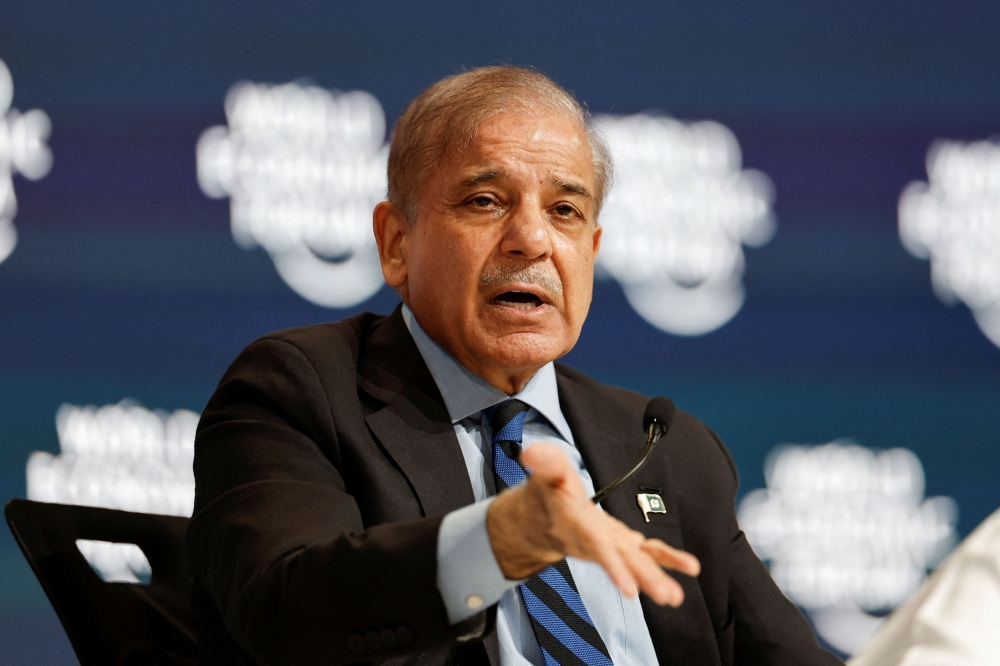
Pakistani Prime Minister Shehbaz Sharif has extended warm wishes to Malaysian counterpart Datuk Seri Anwar Ibrahim following a medical procedure, reflecting the cordial relations between Islamabad and Kuala Lumpur. The gesture, made publicly on August 10, demonstrates the personal rapport and diplomatic goodwill that characterise relations between the two leading Muslim-majority democracies in Asia.
The exchange highlights how bilateral relationships at the highest political level often extend beyond formal state interactions into expressions of personal concern and solidarity. By publicly conveying his wishes for Anwar's recovery, Shehbaz Sharif has reinforced Pakistan's commitment to maintaining strong ties with Malaysia, a significant player in both the Islamic world and the broader Asia-Pacific region. Such gestures, though seemingly ceremonial, carry diplomatic weight and signal the importance both nations place on their partnership.
Malaysia and Pakistan have historically maintained robust diplomatic and economic connections, rooted in shared Islamic heritage and common strategic interests. The two countries cooperate on multiple fronts, including trade, cultural exchanges, and multilateral forums where Muslim-majority nations converge. Leadership visits, state dinners, and high-level delegations have regularly punctuated their bilateral calendar, establishing a foundation of personal relationships among senior officials that transcends partisan politics.
For Malaysian readers, the significance of this message lies in its reflection of how Anwar Ibrahim's government maintains productive international relationships across South Asia. Pakistan, as a major South Asian power with substantial economic and geopolitical influence, represents an important partner for Malaysia's regional diplomacy strategy. The attention Shehbaz Sharif's message generates underscores Malaysia's relevance on the global stage and the respect Anwar commands among international peers.
The timing and tone of diplomatic communications often carry deeper implications for bilateral agendas. By framing Anwar as his "brother," Shehbaz Sharif employed familial language that suggests more than conventional diplomatic courtesy, pointing to the warmth characterising contemporary Pakistan-Malaysia relations. This linguistic choice reflects a broader pattern wherein leaders of Islamic nations frequently emphasise spiritual and cultural kinship, particularly when addressing counterparts from other Muslim-majority democracies.
Pakistan under Shehbaz Sharif's tenure has pursued an active foreign policy aimed at strengthening regional connectivity and multilateral engagement. Malaysia, under Anwar's leadership since late 2022, has similarly prioritised comprehensive international partnerships while addressing domestic economic challenges. The convergence of both leaders' diplomatic priorities creates fertile ground for expanded cooperation in trade, investment, and people-to-people exchanges.
The broader context reveals how Southeast Asian nations, particularly Malaysia, occupy strategic importance in Pakistan's extended diplomatic radius. With Pakistan navigating complex relationships in South Asia and grappling with economic pressures, strengthening ties with prosperous and stable Southeast Asian economies offers tangible benefits. Malaysia's position as a major financial hub and its influence within ASEAN amplify its value as a diplomatic and economic partner for Islamabad.
From a Malaysian perspective, the incident illustrates how health matters of senior political figures attract international attention and concern, particularly when those leaders hold significant regional and global influence. Anwar Ibrahim's presidency of Malaysia since 2022 has repositioned the country as a moderating voice on international issues and a proponent of interfaith dialogue and inclusive governance. Consequently, the wellbeing of the Prime Minister carries implications beyond national boundaries, affecting investor confidence, regional stability perceptions, and Malaysia's ability to pursue its diplomatic agenda.
The exchange also demonstrates how traditional diplomatic channels remain vital despite the prevalence of digital communication. While world leaders may share congratulations and concerns through various media, official statements and public declarations retain ceremonial importance and symbolic value. Shehbaz Sharif's message, conveyed through established protocols, reaffirms that personal leadership relationships continue grounding state-to-state interactions, particularly within the Islamic world where values of brotherhood and solidarity carry profound meaning.
Looking forward, this episode may presage continued high-level engagement between Pakistan and Malaysia on issues ranging from trade facilitation to multilateral initiatives within the Organisation of Islamic Cooperation and broader forums. Both nations face shared challenges including economic diversification, technological advancement, and navigating great power competition in Asia. Deepening bilateral cooperation could yield mutual benefits while positioning both countries as reliable partners for other regional and global actors seeking stable relationships with established democracies in the Islamic world.

